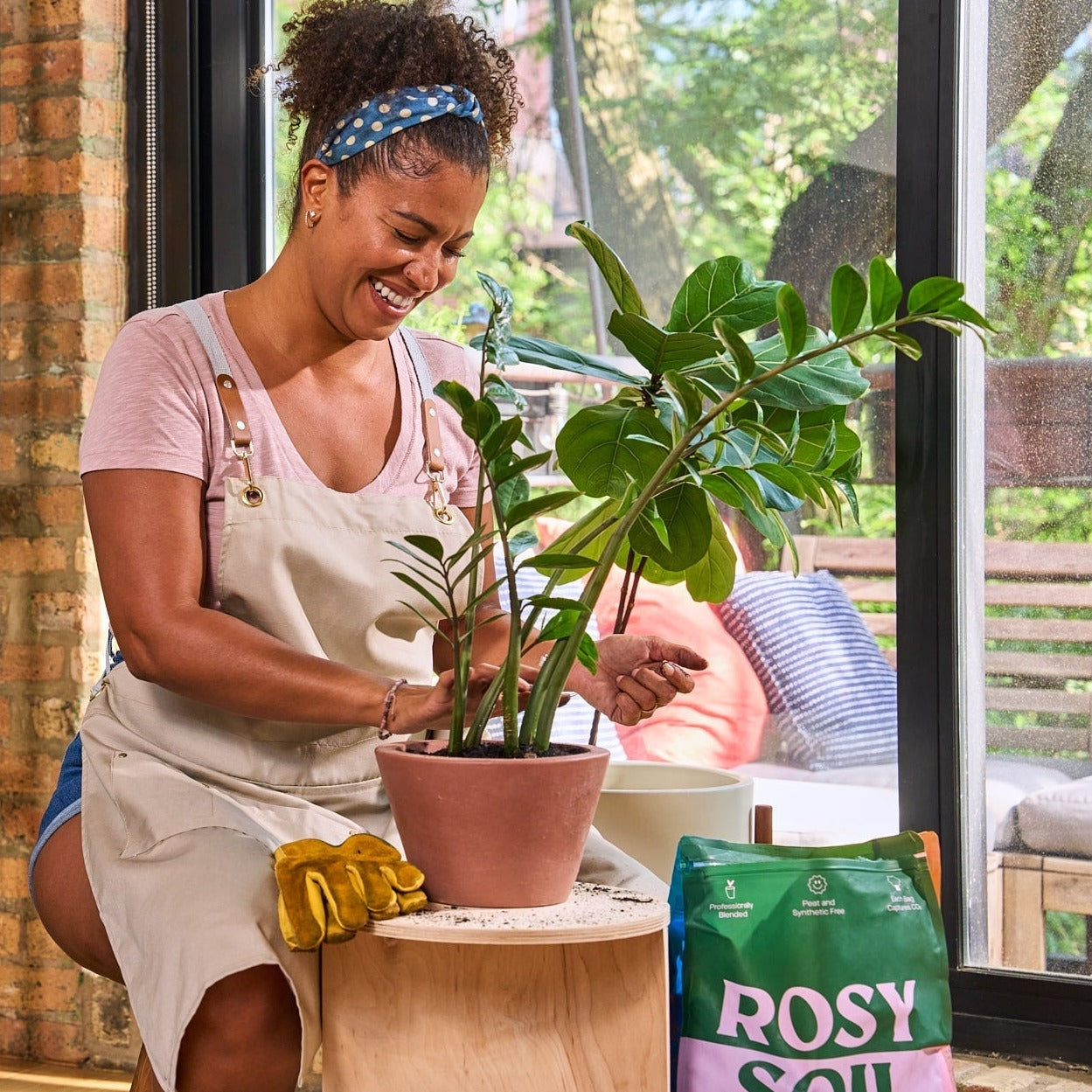

Nothing has changed. Same window, same watering can, same plant you have kept alive since spring. But the new leaf that was unfurling every ten days has stopped, and the instinct kicks in: something must be wrong, and you should fix it. We would like to talk you out of that. In autumn, a plant that stops growing is not failing. It is reading a signal you cannot see and responding correctly.
What is your plant actually reacting to?
Two separate things happen at once in early autumn, and that overlap is why the slowdown feels so sudden.
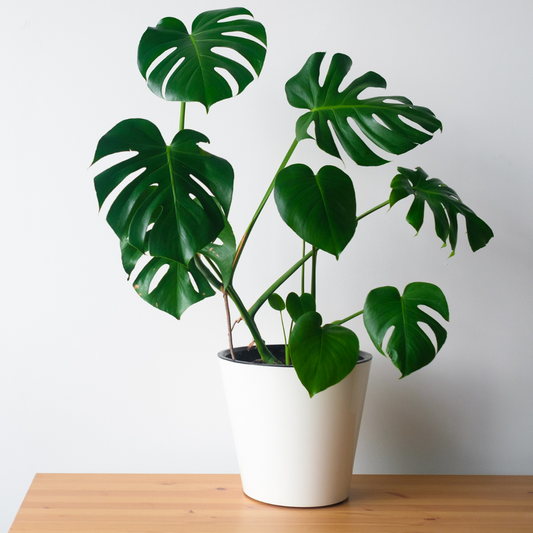
The first is photoperiod, the length of the day. Plants sense shortening days and shift their internal chemistry accordingly. The second is daily light integral, the total amount of light your plant receives across a whole day. The sun sits lower, the angle through your window changes, and the same spot that gave a monstera plenty of energy in July now gives it a fraction. One signal says "slow down." The other says "there is less fuel." They arrive together, and the plant answers both.
Most care advice blurs these into a vague line about "less light in winter." The distinction matters because it explains why the plant is not simply hungry or thirsty. It has less energy to build new tissue, so it stops building.
Semi-dormant is not the same as dormant
Here is the most useful thing in this post. Very few of the plants in your home go truly dormant. Amaryllis, caladium, oxalis and many cacti drop their leaves or shut down completely. Pothos, monstera, philodendron and most other tropical foliage plants are evergreen. They keep their leaves and simply crawl.
That crawl is semi-dormancy. Growth drops to a trickle, sometimes to nothing you can see, while the plant quietly maintains what it already has. If you have a snake plant, you have already met a version of this, and we wrote about what "indestructible" really means for snake plants. The same mechanism applies to nearly everything on your shelf.

Why the rescue attempt does the damage
Almost every houseplant problem we see in autumn comes from a well-meaning intervention, not from the slowdown itself. Each of the three usual fixes fails for its own reason.
More water. Roots that are not supporting new growth cannot drink at summer rates. Water the plant on the old schedule and the excess sits around inactive roots, which is how rot starts. We covered the mechanics in the September watering reset, so we will not repeat them here. The short version: the pot dries more slowly, so the schedule has to stretch.
More food. Fertilizer is fuel for growth. A plant with no growth has nowhere to spend it, so the salts build up in the soil and can burn roots. If you want the full feeding basics, Fertilizing 101 is the place to start, but the rule for now is simple: pause it.
A bigger pot. Fresh potting mix holds water for weeks around roots that are not ready to use it. Repotting a paused plant hands it a wet, cold, oversized home at the worst possible moment.
In autumn, the plant that needs you to stop is usually healthier than the one you keep "helping."
Paused or sick? How to tell
This is the anxiety underneath the question, so here is a plain way to sort it out. Run four quick checks: the stems, the leaves, the soil and the undersides of the leaves.
- Squeeze a stem gently near the base. Firm means alive and resting. Soft, mushy or collapsing means rot, and that is a real problem.
- Look at the existing leaves. A paused plant holds them, glossy and steady. A sick plant loses them quickly, or they turn black, translucent or yellow in a spreading pattern.
- Check the soil and smell. Soil that dries slowly over one to two weeks is normal now. Soil that stays soaked, smells sour or hosts fungus gnats points to overwatering, not dormancy.
- Turn a leaf over. Pests like spider mites are active indoors when the heating comes on, and they can be mistaken for a plant "going downhill."
If the plant passes all four checks, it is paused, and the correct response is to leave it alone. One small, slow leaf every month or two is a healthy sign. Zero new growth is fine too. The air also dries out once the heating starts, as we explained in the humidity drop nobody warns you about, so a few crisp leaf tips can be a humidity story rather than a growth story.
What about a grow light?
A grow light is a legitimate choice. Supply enough light for enough hours and many tropical plants will keep growing through winter. Some growers do it happily. But it comes with a trade-off: you also have to keep up the water, feeding and pest watching that active growth demands, all winter, in a home that is dry and warm.
For most homes, we think letting the plant rest is the better default. It costs nothing, and the plant returns in spring with its reserves intact. If you want to try supplemental light, treat it as a deliberate hobby rather than a rescue.

What "correct" looks like this season
Move the plant closer to the brightest window you have, because every bit of light now counts for more. Wipe dust off the leaves so they can capture what arrives. Water only when the top couple of inches of soil are dry, and let the pot drain fully. Skip feeding and repotting until you see steady new growth again. That is the whole list, and doing less is the point.
Growth typically wakes up again as days lengthen in late winter to early spring. You will notice a leaf tip beginning to unroll, or a node swelling on a vine. That is your signal to start watering a little more and, a few weeks later, to feed lightly.
If you are shopping for plants that shrug off a four-month pause without complaint, start with our easy care plants, or browse the low-light collection for varieties that never expected much sun in the first place. You can also see everything we have in the full plant shop. Every plant we send greenhouse-direct comes with our 30-Day Guarantee, so you can bring one home and let it rest without worry. For a real example of a plant that slows down gracefully, see our Rhaphidophora spotlight.
Frequently asked questions
Do houseplants go dormant in winter?
Most tropical houseplants go semi-dormant rather than truly dormant. They keep their leaves and grow very slowly or not at all. Bulbs like amaryllis and many cacti are the ones that shut down fully.
Should I stop fertilizing in the fall?
Yes, for most plants. Fertilizer supports growth, and a resting plant cannot use it, so the salts accumulate in the soil. Resume lightly once you see steady new growth in spring.
How do I know if my plant is dormant or dead?
Check the stem base. A firm stem and leaves that hold on mean the plant is resting. Mushy stems, spreading black patches or a sour smell suggest rot.
When do houseplants start growing again?
Usually in late winter to early spring, once days lengthen and light strengthens. Watch for an unfurling leaf tip or a swelling node, then gradually return to a normal routine.