
Your cat will thank you for this one. Every December the same warning makes the rounds: keep the poinsettia away from the pets. It is good advice, but it points at the wrong plant. The red plant from the grocery store is usually the mildest thing in the room. The bulbs sitting on the coffee table and the berries tucked into the wreath are the ones worth a second look. Here is what each seasonal favorite actually does if a pet takes a bite, where to put the risky ones, and the pet-friendly plants we reach for instead.
Which holiday plants are actually risky for cats and dogs?
Almost every popular holiday plant lands on the ASPCA's toxic list for cats and dogs, but "toxic" covers a wide range. Some cause a bit of drooling and an upset stomach. Others can affect the heart or, in the case of lilies and cats, the kidneys. We use the ASPCA as the authority here, with Penn State Extension for extra context. Treat this as a quick reference, not veterinary advice.
| Plant | The risky part | What to expect |
|---|---|---|
| Poinsettia | Milky sap in leaves and stems | Mild to moderate mouth and stomach irritation; drooling, sometimes vomiting |
| Amaryllis | Whole plant, most concentrated in the bulb | Vomiting, drooling, diarrhea, lethargy, tremors |
| Paperwhites (narcissus) | Whole plant, especially the bulb | Similar to amaryllis; bulbs are the main worry |
| Holly | Berries and spiny leaves | Vomiting, diarrhea, low energy |
| Mistletoe | Berries and leaves | Stomach upset, and in larger amounts slowed heart rate, low blood pressure and trouble breathing |
| Cyclamen | Tuber (the bulb-like root) | Drooling, vomiting, diarrhea |
| Lilies in bouquets | Every part, even pollen and vase water | For cats, a true emergency: lilies can cause kidney failure |
Why the poinsettia gets the blame (and the bulbs get a pass)
The poinsettia's reputation is mostly history. It is everywhere in December, it is bright red, and it leaks a milky sap when a leaf snaps, so it became the plant everyone warns about. The ASPCA does list it as toxic to cats and dogs, but the effect is irritation: the sap bothers the mouth and stomach, and Penn State Extension notes that reports of its toxicity have been greatly exaggerated. Most pets that chew one feel unwell for a little while and recover.
The plants that deserve more respect tend to look harmless. An amaryllis or paperwhite kit is basically a bulb in a pot, often set low on a side table where a dog can reach it. Those bulbs hold the highest concentration of the plant's toxins. Mistletoe hangs high, but sprigs fall, and the berries are small enough for a cat to bat around and chew. Holly shows up in centerpieces and wreaths right at nose level. And lilies arrive quietly in gift bouquets, which makes them the single most dangerous holiday plant for a household with cats.
So the useful question is not "is this plant toxic?" It is "where are the bulbs and berries, and can my pet reach them?"
Not sure which plants fit a home with pets?
Our 1 minute plant quiz asks about your light, your space and whether you share it with a cat or dog, then points you to plants that suit all three. Take the plant quiz.
What to do: a pet-smart plan for your seasonal plants
- Do a quick plant audit. Walk the house and list every live plant and bouquet that came in for the season, including gifts. Check the card on any bouquet for lilies, and ask the florist if you are unsure.
- Move bulbs up or out. Amaryllis, paperwhites and cyclamen go on a high shelf, a closed room, or a windowsill your pet cannot reach. If you have a dog who counter-surfs or a cat who climbs everything, skip forced bulbs this year.
- Keep berries off the ground. Hang mistletoe well out of jumping range and check under it every day for dropped sprigs. Use faux berries in wreaths and centerpieces that sit low.
- Cover the tree stand. Penn State notes that real tree needles are unlikely to harm pets, but the ASPCA warns that standing tree water can grow bacteria that upset the stomach. Use plain fresh water with no additives, and cover the reservoir.
- Swap in plants that are listed as non-toxic. You can still have color and greenery at pet level. The next section covers our favorites.

The swap list: pet-friendly plants with holiday color
Each of these is listed as non-toxic to cats and dogs by the ASPCA. That means they are not expected to be poisonous, though any plant can cause a little stomach upset if a pet eats enough of it. We say "listed as non-toxic," never "100% safe."
- Maranta Red Prayer. Red veins on deep green leaves, and the leaves fold up at night like hands in prayer. If you want something red without the poinsettia worry, start here.
- Peperomia Rosso. Rippled green tops with rosy red undersides. Compact enough for a mantel or a windowsill.
- Calathea Dottie. Near-black leaves outlined in hot pink. It reads as dramatic and festive with no extra decorating.
- Parlor Palm. Soft, feathery fronds that fill a floor corner the way a small tree would, and it copes with lower winter light.
- Spider Plant Bonnie. Curly arching leaves that trail over a shelf edge. A cat magnet, so expect a few nibbled tips.
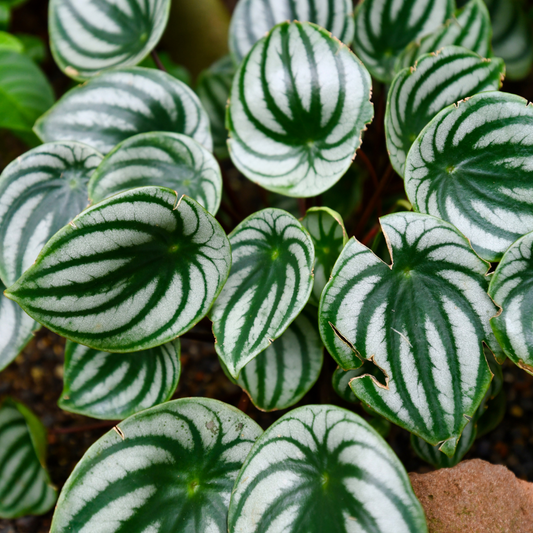
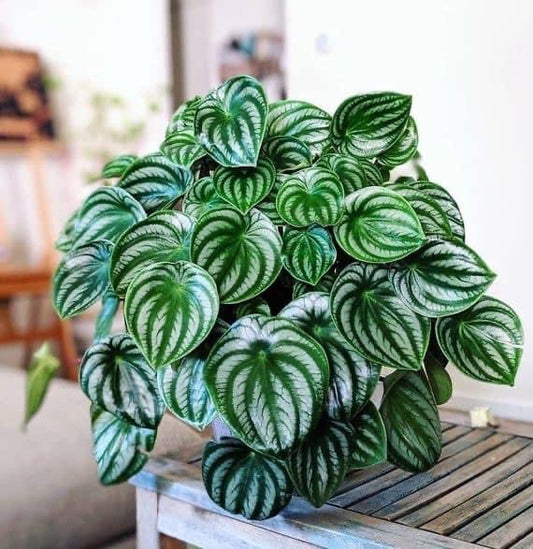
- Peperomia Watermelon. Silver-striped round leaves on red stems. A pretty, low-fuss gift for anyone with pets.
For more ideas, browse the full pet-friendly plants collection, or see how we styled a whole shelf in The Pet-Safe Shelf. Our complete guide to pet-safe houseplants covers the year-round list.
Plant shopping earns you Leaves
Every plant you add to the house can also add up to a reward. Join our rewards program and earn Leaves points when you shop. See how Leaves rewards work.
When to worry: what to do if your pet chews a plant
Stay calm and take the plant away from your pet. Note which plant it was, which part was chewed (leaf, berry, bulb or flower) and roughly how much is missing. Snap a photo of the plant or its tag.
Then call your veterinarian or the ASPCA Animal Poison Control Center at (888) 426-4435. It answers 24 hours a day, every day of the year, and a consultation fee may apply. Call right away, without waiting for symptoms, if your cat had any contact with a lily, if a pet ate part of a bulb, or if mistletoe berries are missing. Watch for vomiting, heavy drooling, diarrhea, shaking, wobbliness or unusual tiredness, and call even if symptoms seem mild. Do not try to make your pet vomit unless a vet tells you to.

Pro tip: decorate for the pet you actually have
A senior dog who sleeps by the fire is a very different roommate from a kitten who climbs the curtains. Look at the season from your pet's height. Anything at nose level should be something you would be fine with them sniffing or tasting, and anything risky should be out of reach or skipped. Gifting a plant to a friend with pets? Choose from the swap list above and you never have to wonder.
Greener beyond your windowsill
We partner with One Tree Planted to give back through tree planting, so the green in your home can connect to forests growing somewhere else.
Ready to fill the house with color that is easy on curious noses? Shop our pet-friendly plants or the seasonal holiday collection, and if you want low-effort picks, the easy-care collection is a good place to start. Every plant ships under our 30-Day Guarantee; from November through March, that coverage applies to orders that include Winter Plant Shipping Protection. Still deciding? The plant quiz can match you with a pet-friendly plant in about a minute. Or Browse All Plants.
Frequently asked questions
Are poinsettias poisonous to cats and dogs?
The ASPCA lists poinsettias as toxic to cats and dogs, but the effect is usually mild to moderate. The milky sap irritates the mouth and stomach, which can cause drooling and sometimes vomiting. Call your vet or poison control if your pet chewed one, but it is rarely an emergency.
Is amaryllis toxic to cats?
Yes. Amaryllis is toxic to cats and dogs, and the bulb holds the highest concentration of its toxins. Signs include vomiting, drooling, diarrhea, lethargy and tremors. Keep amaryllis bulbs well out of reach.
What holiday plants are safe for cats?
Choose plants the ASPCA lists as non-toxic, such as Maranta Red Prayer, Calathea Dottie, Peperomia Rosso, Parlor Palm and spider plants. They bring red, pink and green color to the season without the worry of bulbs or berries. Even non-toxic plants can upset a stomach if a pet eats a lot.
Are real Christmas trees safe for pets?
Penn State Extension notes that tree needles are unlikely to harm pets. The bigger concern is the tree water, which the ASPCA says can grow bacteria that cause stomach upset. Use plain fresh water with no additives and cover the stand.
This article is general information, not veterinary advice. If your pet has eaten a plant, contact your veterinarian or the ASPCA Animal Poison Control Center.