Every evening, the Maranta Red Prayer Plant does something remarkable: it folds its vibrant, patterned leaves upward as if in prayer — a light-triggered behavior called nyctinasty that makes this plant unlike almost anything else you can grow indoors. Scientifically known as Maranta leuconeura erythroneura, this native of Brazilian tropical rainforests delivers stunning red-veined foliage, effortless beginner-friendly care, and the daily drama of a plant that literally moves. Whether you are just starting your plant journey or adding to a thriving collection, this complete prayer plant care guide covers everything you need to know.
Ready to bring one home? Maranta Red Prayer Plant ships greenhouse-direct with our 30-Day Guarantee — every order, no exceptions.
Shop Maranta Red Prayer Plant
Maranta Red Prayer Plant Care at a Glance
| Factor | Requirement |
|---|---|
| Light | Bright to medium indirect light; no direct sun |
| Water | When top inch of soil is dry; roughly every 7-10 days in summer |
| Humidity | 50-70% preferred; pebble tray or humidifier recommended |
| Soil | Well-draining potting mix with perlite or coco coir |
| Temperature | 65-80°F (18-27°C); protect from drafts below 60°F |
| Toxicity | Non-toxic to cats and dogs (ASPCA) |
| Mature Size | 12-18 inches tall and wide |
| Growth Rate | Moderate in growing season; slows in winter |
What Is Maranta Red Prayer Plant?
The Maranta Red Prayer Plant (Maranta leuconeura erythroneura) is a low-growing tropical perennial native to the shaded forest floors of Brazil. In the wild, it thrives under the forest canopy where light is filtered, humidity is consistently high, and the soil stays moist but never waterlogged. Understanding that native habitat is the single most useful thing you can do as a Maranta owner.
What sets this plant apart is its daily movement. The leaves spread wide and lie flat during the day to capture light, then fold upward toward each other at night — resembling hands clasped in prayer. This is nyctinasty: a circadian rhythm controlled by tiny joint-like structures called pulvini at the base of each leaf. The plant is also called the red herringbone plant for the deep crimson veins tracing across each leaf, giving it a pattern that looks almost hand-painted.
Why does my prayer plant fold its leaves at night?
Prayer plants fold their leaves at night through nyctinasty — a light-triggered movement controlled by pulvini (swollen nodes at the base of each leaf stem). As light fades, water pressure in the pulvini shifts, causing the leaves to fold upward. This is completely natural, not a sign of stress, and a confirmation that your care routine is working. Explore our full collection of tropical plants to find more dynamic additions for your home.
At $12.99, Maranta Red Prayer is one of our most accessible top sellers. If you are looking for easy-care houseplants that make a daily visual impact, this one delivers. At Plant Swag Shop, every Maranta ships greenhouse-direct — going straight from the growing environment to your door, backed by our 30-Day Guarantee.

Light Requirements for Maranta Red Prayer Plant
How much light does a prayer plant need?
Maranta Red Prayer Plant needs bright to medium indirect light — think a spot a few feet back from an east- or north-facing window, or behind a sheer curtain on a south- or west-facing window. The dramatic red and green leaf patterning intensifies in the right light conditions, which makes getting this right especially rewarding. Direct sun is the most common light mistake. Even one or two hours of direct afternoon sun can bleach the vivid leaf patterns and cause the edges to scorch. If you notice color fading or washed-out patches, move the plant further from the window immediately.
Can prayer plants grow in low light?
Yes — Maranta is one of the more forgiving low-light houseplants. It can survive in dimmer conditions, but growth slows significantly, leaves become smaller, and the red vein coloration fades. Bright indirect light is where Maranta truly thrives. Avoid completely windowless rooms — even this adaptable plant needs access to some natural light to stay vibrant and healthy.
How to Water Maranta Red Prayer Plant
How often should I water a prayer plant?
Water your Maranta when the top inch of soil feels dry to the touch — not before. In summer, this typically means every 7-10 days. In winter, as growth slows, you may only need to water every two to three weeks. The most important rule: never let the plant sit in standing water in a saucer. That is the fastest route to root rot.
Many guides say to keep prayer plant soil evenly moist — but this is the number one cause of root rot. Let the top inch dry first. When you water, water thoroughly until it drains from the bottom, then empty the saucer. Consistently moist, never soggy.
Water quality matters for Maranta. Fluoride and chlorine in tap water are common causes of brown leaf tips over time. Use filtered or distilled water when you can. If you are using tap water, pour it into an open container and leave it 24 hours before watering — this allows chlorine to off-gas and reduces fluoride stress on the foliage.
Love what you are reading? Maranta Red Prayer Plant ships straight from our greenhouse to your door — packed with care, backed by our 30-Day Guarantee.
Get Yours TodayBest Soil for Maranta Red Prayer Plant
Maranta needs a well-draining potting mix that retains some moisture without becoming compacted or waterlogged. A standard indoor potting mix works as a base — add perlite at around 20-25% by volume to improve drainage and aeration. A coco coir-based mix is another excellent option: it provides the moisture retention this tropical plant wants while still draining well between waterings.
Whatever mix you choose, make sure the pot has drainage holes. A decorative pot without drainage is the most common structural mistake made with this plant. If you love a ceramic pot that lacks holes, use it as a cachepot: place your Maranta in a plastic nursery pot inside it, and lift the inner pot out when watering.
Humidity and Temperature
As a Brazilian tropical forest native, Maranta loves humidity — ideally 50-70% relative humidity. Most homes run between 30-50%, which is borderline acceptable. In winter, when heating systems run full-time, indoor humidity can dip below 30%, and your plant will respond with curling leaves and brown tips.
Do not mist the leaves. Direct leaf misting is often recommended for humidity-loving plants, but for Maranta it causes problems: mineral deposits build up on the decorative foliage and create conditions for fungal leaf spots. Use a pebble tray filled with water (place the pot on pebbles above the waterline) or a small humidifier nearby. These approaches raise ambient humidity without wetting the leaves.
Temperature-wise, keep Maranta between 65-80°F (18-27°C). This plant is sensitive to cold drafts — keep it away from air conditioning vents, single-pane windows in winter, and exterior doors. Temperatures below 60°F slow growth significantly. Below 50°F can cause irreversible cold damage to the foliage.
Fertilizing Maranta Red Prayer Plant
Fertilize during the active growing season — spring through summer — with a balanced liquid fertilizer (10-10-10 or similar) diluted to half the recommended strength. Feed every three to four weeks. Stop fertilizing in fall and winter when the plant enters semi-dormancy. Unused fertilizer salts accumulate in the soil and cause the exact brown leaf tips you are trying to avoid. If you see a white crust forming on the soil surface, flush the pot thoroughly with clean water to clear mineral buildup.
When and How to Repot Maranta Red Prayer Plant
Repot every one to two years, or when you see roots circling the bottom of the pot or emerging from the drainage holes. Spring is the ideal time — just as the growing season begins and the plant has energy to recover and push new growth. Choose a new pot only one to two inches larger in diameter. A pot that is too large holds excess moisture and increases root rot risk significantly.
To repot: water 24 hours before so the root ball holds together. Gently remove the plant, shake away old soil, and inspect the roots. Healthy roots are white or tan; rotted roots are brown, black, or mushy. Trim away any damaged roots, place the plant in fresh potting mix, water lightly, and keep it out of direct light for a week while it adjusts.
How to Propagate Maranta Red Prayer Plant
How do you propagate a prayer plant?
The easiest method is division at repotting time. When you remove the plant from its pot, you will often find natural clusters that can be gently pulled apart — each section needs a few healthy roots and two to three leaves. Pot each division separately in fresh soil, water lightly, and place in bright indirect light. Expect new growth within four to six weeks.
You can also propagate by stem cuttings in water. Take a cutting just below a leaf node, ensuring the cutting has at least one leaf and one node. Place it in a glass of clean water in bright indirect light — roots should appear within three to four weeks. Change the water every few days to prevent bacterial buildup. Once roots reach one to two inches long, transfer to potting mix.
Common Problems and How to Fix Them
Even easy plants have their moments. Here are the most common issues Maranta owners run into — and exactly how to fix them.
Why are my prayer plant leaves curling?
Curling leaves almost always mean underwatering or low humidity. Check the soil first — if the top two inches are dry, water thoroughly and let it drain. If humidity is below 40%, add a pebble tray or humidifier near the plant. Cold drafts near AC vents or drafty windows can also cause curling.
Why are my prayer plant leaves turning yellow?
Yellow leaves most commonly indicate overwatering or waterlogged soil. If lower leaves are yellowing, inspect the roots: remove the plant from its pot and look for brown, black, or mushy roots — signs of root rot. Cut away affected roots, repot in fresh well-draining mix, and reduce watering frequency. Let the top inch dry fully before the next watering.
Why does my prayer plant have brown tips?
Brown tips are typically caused by low humidity, fluoride or chlorine in tap water, or fertilizer salt buildup in the soil. Switch to filtered or distilled water, boost humidity with a pebble tray or humidifier, and flush the soil with clean water every few months to clear mineral deposits. Avoid letting the soil dry out completely between waterings as well.
Why is my prayer plant not praying (not closing at night)?
If your Maranta has stopped folding its leaves at night, it usually means the plant is not getting enough contrast between daytime and nighttime light levels. Make sure the plant experiences true darkness at night — if it sits near always-on lamps, ambient hallway light, or light-emitting devices, the pulvini do not receive the trigger to close. Moving it to a darker spot at night typically restores the praying behavior within a few days.
- Spider mites: Tiny webs between leaves and a gritty texture on the leaf undersides signal infestation. Shower the plant to rinse them off, then treat with neem oil spray. Increasing humidity is the best prevention.
- Mealybugs: White cottony clusters at leaf axils and along stems. Remove with a cotton swab dipped in rubbing alcohol, then follow with insecticidal soap.
- Root rot: Caused by consistently wet soil. Repot into fresh mix, trim affected roots, and reduce watering frequency. Caught early, the plant recovers well.
Is Maranta Red Prayer Plant Safe for Pets?
Is prayer plant toxic to cats and dogs?
Great news for pet owners: Maranta Red Prayer Plant is non-toxic to cats and dogs according to the ASPCA — making it one of the safest choices you can bring into a home with pets. It is also non-toxic to humans, so it is completely worry-free for households with young children. Browse our full collection of pet-safe houseplants for more worry-free options your whole household can enjoy.
Love the Red Prayer Plant? The Maranta Lemon Lime brings the same mesmerizing prayer movement with striking yellow-green and deep green patterning. The classic Maranta Leuconeura offers an elegant herringbone leaf pattern in softer tones. All varieties share the same care requirements.

Where to Buy Maranta Red Prayer Plant Online
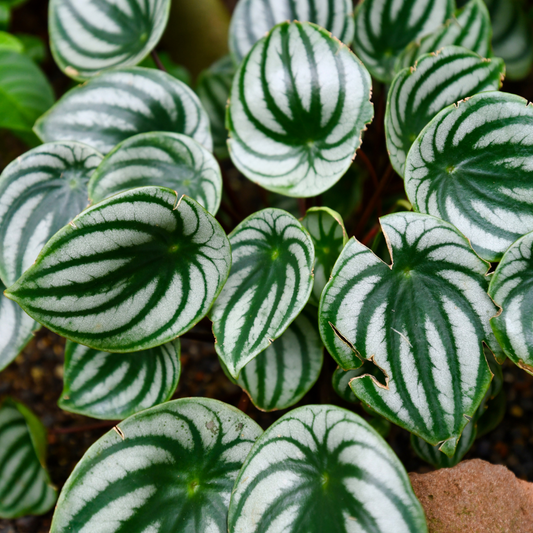
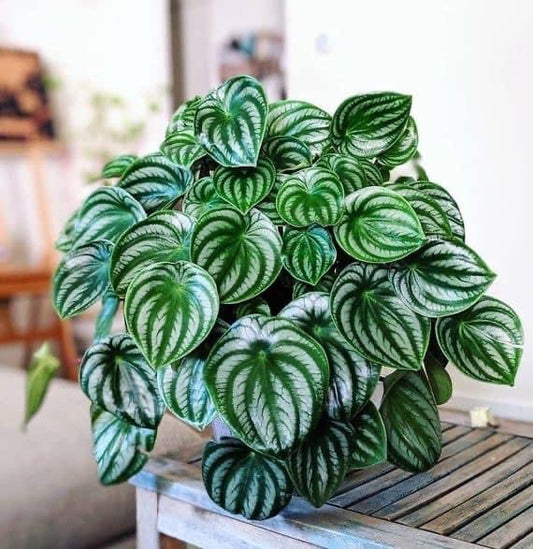
At Plant Swag Shop, Maranta Red Prayer Plants ship greenhouse-direct — arriving fresh, healthy, and ready to thrive in your home. Every order is backed by our 30-Day Guarantee: if your plant struggles in the first 30 days, we make it right. Free shipping on orders of $149 or more. Looking for another low-maintenance tropical companion? Our Watermelon Peperomia care guide covers another stunning easy-care plant that pairs beautifully with Maranta in any collection.