A five star review takes about ten seconds to write and it can be written by someone who never opened the box. A photo is different. A photo taken the day a plant arrives, and another taken a week or two later, together prove something specific: whether a living thing survived a multi day trip, settled into a new home, and kept growing. That is a different kind of evidence than a star rating, and it is why we ask customers for pictures instead of paragraphs.
If you have hesitated before ordering a live plant online, the worry was probably not the dramatic version, a box that arrives frozen solid. It was the quieter one: the plant looks fine when you open it, you relax, and then a week later a few leaves go soft and you are not sure whether that is on you or on the shipping. That worry is reasonable. It is also exactly what a well timed photo can settle.

What Our Customers' Photos Actually Show
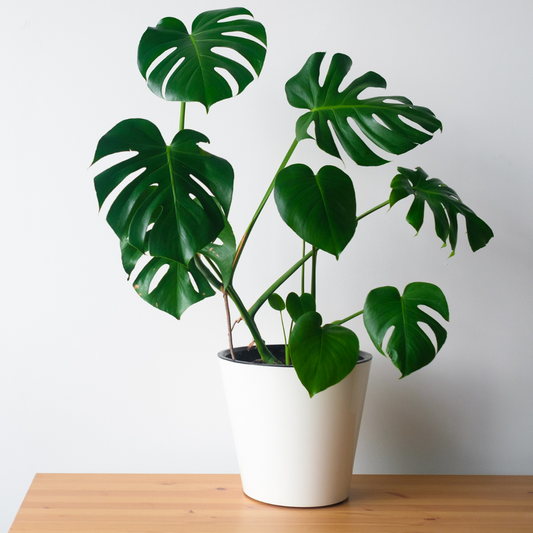
Every week, buyers send us photos of what showed up on their doorstep, and the pattern in those photos is more useful than any single glowing sentence. One recent Monstera Deliciosa buyer photographed her plant within the hour of unboxing: leaves still glossy, the signature splits intact, color vivid enough that she said she could not wait to watch it fill out. That is an arrival photo, and it answers exactly one question well: did the box do its job in transit.
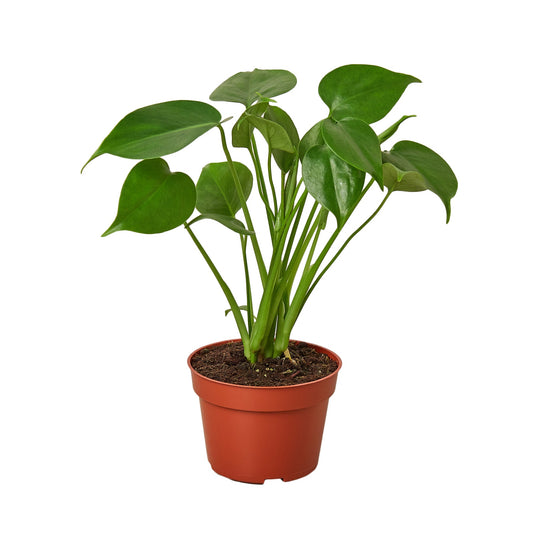
A second buyer sent two angles of a young monstera a few days after delivery, both showing leaves that had clearly ridden through the trip without being crushed against the cardboard. That is a packaging photo. It tells you less about the plant's health and more about how it was boxed, which is its own kind of proof.
The most useful photo on file, though, came from a buyer who ordered during a cold snap. Her first photo showed a plant with a few frosted leaf edges right on arrival. Rather than write it off, she kept the plant going, and her follow up photos over the following weeks showed new growth pushing out cleanly around the damaged spots. That sequence, not the first photo alone, is what actually proves whether a plant is going to be fine. A third reviewer's simple after unboxing photo showed something easy to miss: undisturbed soil and a root ball that had not shifted in the box, which is a better predictor of a gentle trip than an intact leaf is. And more than one buyer has told us, camera in hand, that the plant that arrived was noticeably bigger and fuller than the listing photos led them to expect, which is its own quiet kind of proof that nothing was misrepresented to get the sale.
None of that is meant to replace a written review. It is meant to point out that a photo and a review are proving different things, and the photo usually has more evidentiary weight because it cannot be written from memory or fudged in the retelling.

Why We Ask For a Photo, Not Just a Star Rating
Photos matter most here because of how cold damage actually works on a tropical houseplant, and it rarely works the way people picture it. According to University of Florida's IFAS Extension, a chilling temperature is any temperature cold enough to injure a plant without ever reaching freezing, typically somewhere between about 32°F and 59°F depending on the species and how long the exposure lasts. That is a wide window, and it means a plant can ride through a genuinely cold stretch of a shipping route and still look completely normal the moment you cut the tape.
The timing is the part almost nobody expects. In controlled studies on aglaonema, a relative of the philodendrons and pothos we ship every day, visible leaf injury from a single day of chilling did not fully appear until roughly two days later, and the count of injured leaves kept climbing for about ten days before it leveled off. In dieffenbachia, a related aroid, injured leaves rose sharply between day five and day twelve after exposure. And the case that matters most may be the least visible one: at least one chilling study found plants with no visible leaf injury at all still showing measurably slower growth three months later.
Put plainly, a photo taken the moment a box is opened mostly proves the box did not freeze. A photo taken a week or two later, once new growth either is or is not pushing out, proves something the first photo cannot. That single fact is the entire argument for a thirty day guarantee window, not as a marketing round number but as roughly how long a chilling injury actually needs to finish revealing itself. It is also why the most useful photo any customer ever sends us is rarely the first one. Every order leaves our greenhouse healthy; a follow up photo is how we find out what happened to it between there and your door.
Some plant families are more prone to this than others. Philodendrons, calathea, and alocasia are all noticeably more cold sensitive than something like a snake plant or a pothos, so it is worth paying closer attention to plants from our philodendron collection, our calathea collection, or our alocasia collection if your order is arriving during a cold snap. If you would rather sidestep the question altogether, our easy-care collection holds up across a wider temperature range with far less fuss.

What To Do If Your Plant Doesn't Look Right When It Arrives
If a plant shows up with dark or water soaked patches, blackened edges, or leaves that go from firm to mushy in the first few days, do not sit on instinct alone waiting to see what happens. Photograph the whole plant and a close up of the affected leaves as soon as you notice a change, note the date, and photograph it again a week or so later if anything is still shifting. That second photo is usually the more useful one: it shows whether the plant is stabilizing and pushing new growth, or still declining.
Our 30-day guarantee exists because that is roughly how long a chilling injury can take to finish showing itself, and a dated photo is the fastest way for us to understand what actually happened between our greenhouse and your doorstep. You can read exactly what the guarantee covers in our full guarantee breakdown, and see what a real claim looks like start to finish in Guarantee in Action. For more on how each order is boxed for the trip, our packing and shipping page walks through it, and you can browse what other buyers have said, photos included, on our reviews page. If you are shipping into a colder month, our guide to preparing plants for cooler weather is worth a read before you order.
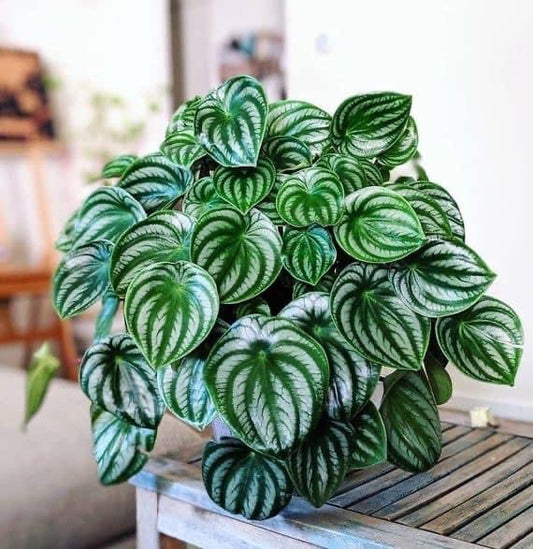
Whichever plant you are eyeing next, that same photo backed guarantee travels with it. Browse the full lineup of live plants, including cold sensitive favorites like Calathea Orbifolia, and order knowing that if something looks off after delivery, a dated photo is all it takes to start making it right.
Frequently Asked Questions
At what temperature do houseplants get cold damage?
Chilling injury can start well above freezing. University of Florida's IFAS Extension puts the danger zone at roughly 32°F to 59°F, depending on the species and how long the plant is exposed.
What does cold damage look like on a houseplant?
It varies by species, but common signs include dark or water soaked patches on the leaves, blackened leaf edges, a stem base that turns reddish brown before collapsing, or leaves that wilt and turn mushy.
How long does it take for cold damage to show on a plant?
Anywhere from a few hours in the most sensitive cases to ten or twelve days in others. Studies on aglaonema and dieffenbachia both found injured leaf counts still rising well over a week after the cold exposure, which is why a same day photo alone rarely tells the whole story.
What should I photograph if my plant arrives damaged?
Start with the whole plant plus a close up of any affected leaves, taken as soon as you notice something is off. Then photograph it again about a week later if anything is still changing. The second photo is usually more useful than the first.