
You have probably heard the rule: water every other week in winter. It sounds tidy, and it is also how a lot of healthy plants end up sitting in soggy soil by January. We have found that the calendar is the problem. Your plant type and your pot decide when a plant is thirsty, and the month matters far less than people think.
Why a winter watering calendar fails
Most plants do slow down when the days get short, and we cover that in our post on why your plant stopped growing in autumn. Slower growth means less water use, but not the same drop for every plant. A ZZ plant barely sips. A calathea keeps drinking. Put them on the same schedule and one of them loses.
Light matters too. Shorter days and weaker sun mean soil dries more slowly near a north window than a south one, which we dug into in what less light does to your plants. So instead of a date on the calendar, sort each plant into a bucket and check the soil.
The four winter watering buckets
These rhythms are starting points, not rules. Your home, your window and your pot will shift them, which is why the moisture test below matters more than any number.
| Bucket | Examples | Starting rhythm | Red flag |
|---|---|---|---|
| 1. Drought-tolerant | ZZ, snake plants, succulents, cacti | Every few weeks; true cacti may need almost none | Mushy, yellowing or wrinkled leaves |
| 2. Tropical aroids and vines | Monstera, pothos, philodendron, hoya | When the top inch or two is dry; stretch the gap | Yellow lower leaves, soil wet for days |
| 3. Moisture-lovers | Calathea, maranta, ferns | Check up to twice a week; never fully dry, never soaking | Crispy edges or curling leaves |
| 4. Fast-drying setups | Hanging baskets, small pots, clay pots | Check often; they dry faster than you expect | Bone-dry soil pulling from the pot edge |
Bucket 1 is the easiest place to start. A ZZ plant stores water in its rhizomes and a snake plant does the same in its leaves, so both forgive a long gap. Our easy-care collection is full of plants that fit here. Note that ZZ and snake plants are toxic to cats and dogs if chewed, so keep them out of reach.
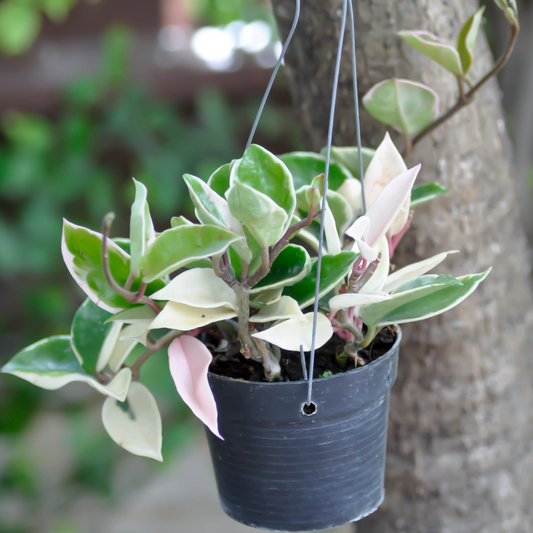
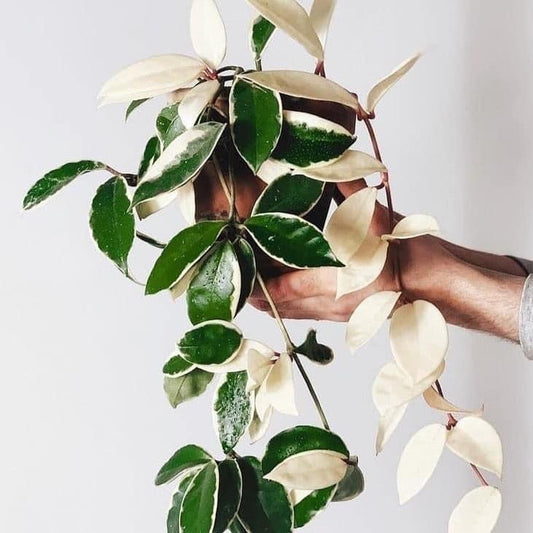
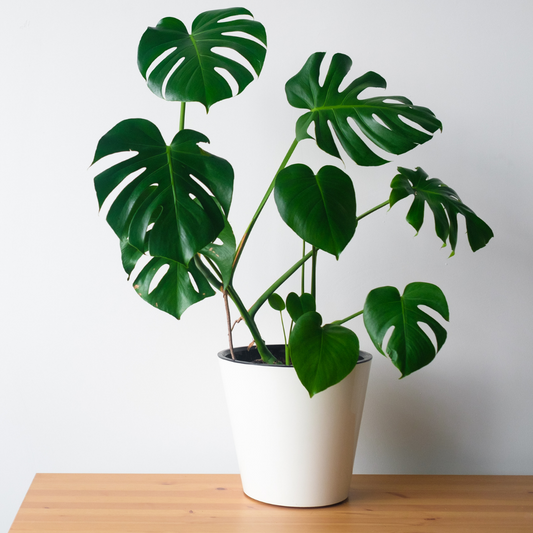
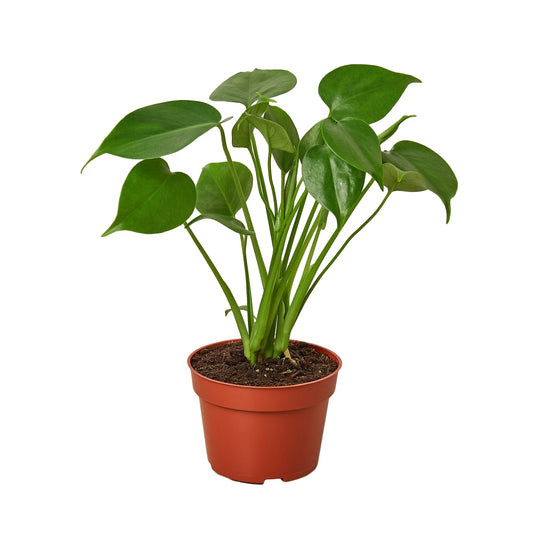
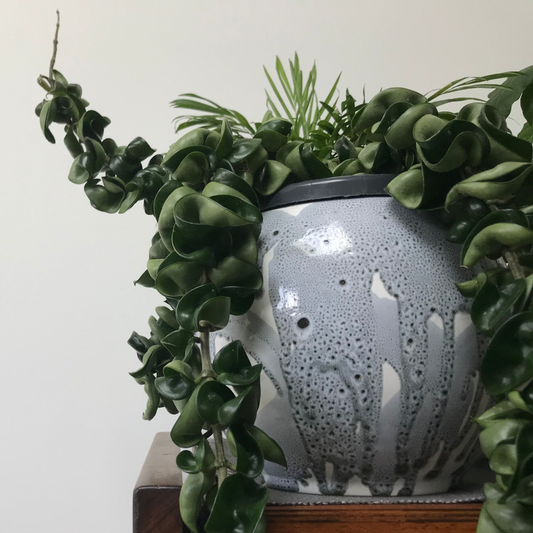
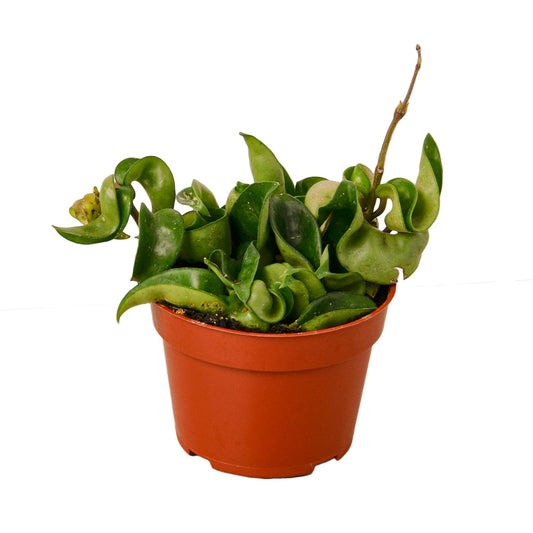
Bucket 2 covers the classic climbers. A Monstera Deliciosa or a Hoya Rope Plant wants water only once the top inch or two of soil is dry, and in winter that takes longer. Monstera is toxic to pets; hoyas are generally considered pet-safe.
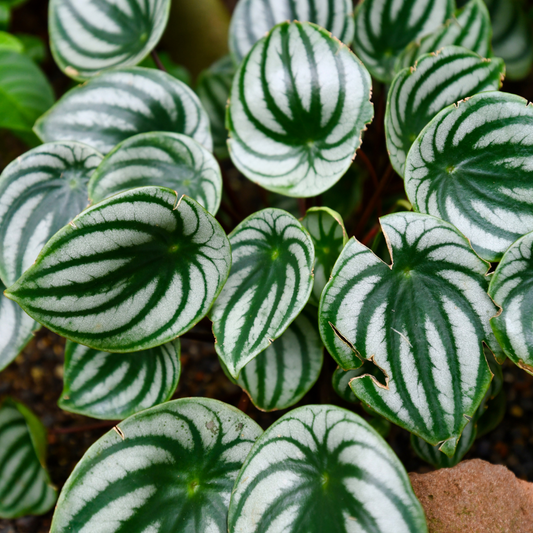
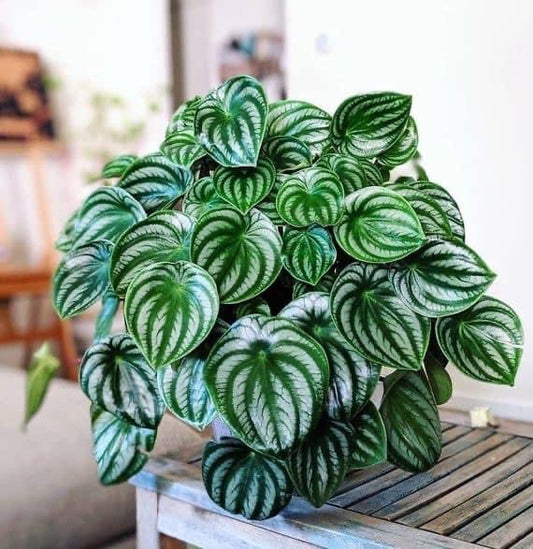
Bucket 3 is where most winter heartbreak happens. A Maranta Red Prayer hates drying out completely, but it also hates sitting in a puddle. Check it more often, water lightly, and always empty the saucer. Maranta is considered pet-friendly.
Not sure which bucket your next plant belongs in?
Tell us about your light, your space and your pets, and the 1-minute plant quiz points you to plants that fit. Take the plant quiz before you add another thirsty plant to the windowsill.
The two-minute moisture test
This is the part that replaces the calendar. Try it on one plant at a time.
- Finger test. Push a finger two inches into the soil. For bucket 2 plants, dry at that depth means water. For bucket 3 plants, water when the top inch is just dry.
- Chopstick test. Slide a wooden chopstick to the bottom of the pot and pull it out. Dark, damp wood means wait. Clean and dry means water.
- Lift test. Lift the pot right after a thorough watering, then again a few days later. Once you know what light feels like, you can judge by weight alone.
- Water fully or not at all. When it is time, water until a little runs out the bottom, let it drain, and empty the saucer. Small sips keep only the top layer wet.

Pot and drainage rules matter more than the month
Two identical plants can need very different watering because of what they live in. A few rules we follow:
- Drainage first. A pot without a drainage hole holds water at the bottom where roots sit. If you love a decorative pot, keep the plant in its nursery pot and set it inside, then lift it out to water.
- Saucer discipline. Empty standing water after about fifteen minutes. A full saucer undoes a good watering.
- Terracotta dries faster. Clay breathes, so plants in terracotta need checking sooner than plants in plastic or glazed pots.
- Bigger pot, slower drying. A small plant in a large pot stays wet far longer, which is a common winter trap.
Hanging baskets and small pots dry out faster
Bucket 4 surprises people. Hanging plants sit higher, where warm air from heaters collects, and small pots hold very little water to begin with. A basket of trailing plants can dry out while the plant on the floor below is still wet. If you love trailing and hanging plants, take baskets down to check them. Lift them to feel the weight, and water in the sink so the whole root ball soaks and drains.
Earn Leaves while you build a healthier plant shelf
When you shop and join our rewards program, you earn Leaves points toward rewards, so the next plant that fits your watering habits can give a little back to you.
What overwatered and underwatered plants look like in winter
In winter the two problems look confusingly alike, since both can droop. Here is how to tell them apart:
- Overwatered: soil stays wet for days, lower leaves turn yellow, stems feel soft, and the pot smells musty. Fungus gnats are a giveaway.
- Underwatered: soil is dry and pulling away from the pot, leaf edges crisp up, and the pot feels very light.
If you are unsure, check the soil before you reach for the watering can. Waiting a day almost never hurts a plant, while an extra watering in cold, low light often does.

A quick note on feeding
Our autumn growth post explains why most plants should skip fertilizer until spring. The one nuance: if you run a bright grow light and your plant is still actively pushing new leaves, a light feeding may be fine. Otherwise, wait.
Ready to add a plant that suits your winter routine? Browse the full live plant collection or start with low-light plants that are happy in dim rooms. Every order is backed by our 30-Day Guarantee, and the plant quiz can narrow the choices in a minute.
Giving back, one plant at a time
We partner with One Tree Planted to give back through tree planting. You can read about the partnership on our One Tree Planted page.
Frequently asked questions
How often should I water houseplants in winter?
There is no single number. Drought-tolerant plants can go several weeks, most tropical vines need water when the top inch or two is dry, and moisture-lovers may need a check twice a week. Treat those as starting points, then let the moisture test make the call.
How do I know if I am overwatering in winter?
Look for soil that stays wet for days, yellowing lower leaves, a musty smell, or fungus gnats hovering near the pot. Leaves may also droop even though the soil is damp. If you see these signs, let the pot dry further and check that water can drain freely.
Should I use cold or room-temperature water?
Room temperature is the safer choice. Icy water straight from a cold tap can shock roots in a cool room. Fill a watering can and let it sit for a few hours so it warms up, then water until a little runs out the bottom and empty the saucer.
How do I water when the heater makes the air dry?
Dry air dries leaves faster than it dries soil, so resist the urge to water on a schedule. Keep checking the soil, group plants together, and move them away from vents. Moisture-lovers like calathea and maranta may show crisp edges first, even when roots are fine.