If you share your home with a cat or a dog, you have probably had that heart-stopping moment: your pet is chewing on a leaf and you have no idea whether that plant is safe.
Not every houseplant is pet-friendly. Some of the most popular ones, including pothos, philodendron, and monstera, are toxic to cats and dogs. The good news is there are dozens of beautiful, easy-care alternatives that are completely non-toxic, and they can be shipped greenhouse-direct to your door with our 30-Day Plant Guarantee.
This guide breaks it all down: what is safe, what to avoid, and how to build a plant collection that works for everyone in your household, including the ones with four legs.
The Quick Answer: Pet-Safe Houseplants
These houseplants are classified as non-toxic to cats and dogs by the ASPCA:
- Spider Plant (Chlorophytum comosum) — easy, fast-growing, safe for all pets
- Peperomia (all varieties) — compact, low-maintenance, fully non-toxic
- Maranta / Prayer Plant — dramatic foliage, non-toxic, moves its leaves daily
- Money Tree (Pachira aquatica) — braided trunk, statement plant, pet-safe
- Calathea — bold patterns, non-toxic, thrives in lower light
- Air Plants (Tillandsia) — no soil, no fuss, completely safe
- Pilea Peperomioides — round leaves, easy to propagate, non-toxic
- Boston Fern — lush and full, non-toxic, air-purifying
Browse the full selection in our pet-friendly plants collection. Every order ships with the same greenhouse-direct quality and 30-Day Guarantee that comes with every plant we send.
Plants to Keep Away From Pets
Some of the most popular houseplants are toxic to cats and dogs. Knowing which ones to place carefully matters whether or not you plan to stop buying them.
- Pothos — toxic. Calcium oxalate crystals cause oral irritation, drooling, and vomiting. Keep on high shelves or in pet-free rooms.
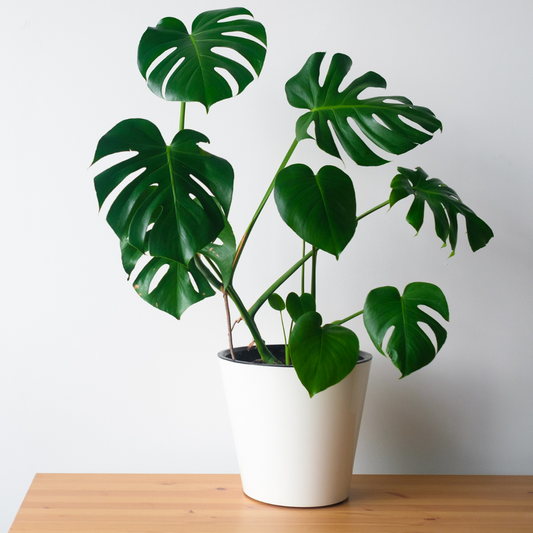
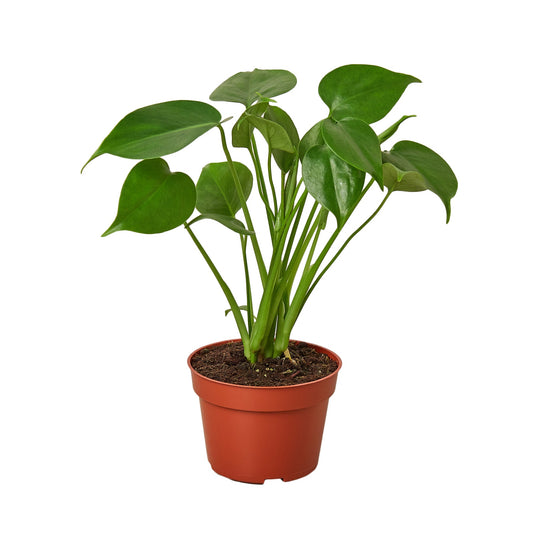
- Monstera Deliciosa — toxic to cats and dogs. Stunning plant, but keep it out of reach of chewers.
- Philodendron — toxic. Same category as pothos. Wall mounts and hanging planters help.
- Snake Plant — mildly toxic. Can cause nausea and digestive upset in larger amounts.
- Peace Lily — toxic, and one of the more dangerous options for cats specifically.
You do not have to get rid of these plants. You do need to be thoughtful about placement. A pothos in a hanging planter near the ceiling poses very little risk. The same plant on a windowsill at floor level is a different story.
The Best Pet-Safe Houseplants: A Closer Look
Spider Plant
The spider plant is non-toxic, nearly indestructible, and one of the best plants you can own if you are just getting started. It tolerates low light, irregular watering, and general neglect without complaint. Hang it in a basket near a bright window and it will produce long cascading runners that look spectacular over time. Learn how to keep yours thriving with our guide on why plant leaves turn yellow.
Peperomia
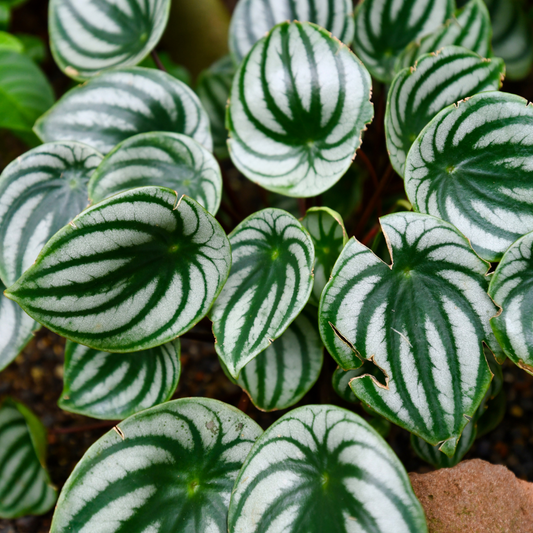
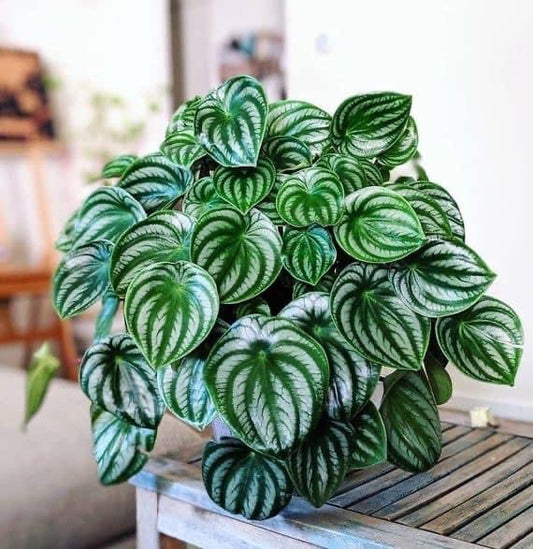
Peperomias come in hundreds of varieties. The Watermelon Peperomia has striped leaves that look almost painted. All peperomia varieties are non-toxic to cats and dogs, and they stay small enough to fit on any surface. They prefer bright indirect light and dry out between waterings, making them one of the most forgiving plants for beginners.
Prayer Plant (Maranta)
Prayer plants fold their leaves upward each night, like hands in prayer, then open them again by morning. This movement happens every single day and never stops being fascinating. Marantas are completely non-toxic to cats and dogs, and their patterned foliage is some of the most striking of any easy-care houseplant. If your plant ever gets root-bound, our guide on how to repot without killing your plant walks you through it step by step.
Money Tree
The braided trunk of the Money Tree makes it one of the most recognizable houseplants in any room. It is non-toxic to cats and dogs, grows into a substantial focal point over time, and does well with moderate care and bright indirect light. It also carries a strong reputation as a symbol of good fortune, making it one of the better options in our pet-friendly collection.
Calathea
Calatheas have some of the most dramatic foliage of any houseplant: deep purples, bold stripes, graphic patterns that look almost geometric. All are non-toxic to cats and dogs. They prefer indirect light and humidity, so they do especially well in bathrooms or near a kitchen sink. If you want visual impact without the toxicity risk, calathea is one of the best places to start.
Air Plants
Air plants grow without soil, which removes two of the most common pet hazards at once: no dirt to dig up, and no root system to chew through. They are non-toxic, practically indestructible if you mist them once a week, and can be displayed in glass globes, mounted on driftwood, or simply tucked into a bookshelf. For low-effort, low-risk plants for a pet-heavy household, air plants are hard to beat.
How to Set Up a Pet-Safe Plant Space
Choosing non-toxic plants is the right starting point. Here is how to set up your space so it works for both you and your pets.
Go vertical. Cats will investigate anything at ground level. Hanging planters, wall-mounted shelves, and tall plant stands put your plants where you can see them and most pets cannot reach.
Use barriers for toxic plants. If you want to keep pothos, monstera, or philodendron in your home, place them in rooms your pets do not access. Closed terrariums and decorative plant cages also work well and look intentional.
Watch for indirect hazards. Fertilizer, pesticides, and potting soil can irritate or harm pets even when the plant itself is safe. Keep bags of soil sealed and wash your hands after fertilizing. For more plant ideas that work in any home, our guide on tropical-style houseplants has options worth exploring.
Know what to watch for. Even with non-toxic plants, a pet that eats a large amount of any plant material may show mild GI upset. If your cat or dog ingests a plant and shows signs of distress, contact your vet immediately. The ASPCA Poison Control hotline (888-426-4435) is available around the clock.
The Easiest Way to Start: Three Pet-Safe Picks
If you are building a pet-safe plant collection from scratch, start with these three. They are the most forgiving, widely available, and consistently safe for cats and dogs.
- Spider Plant — tolerates almost any light level, hard to kill, safe for all pets
- Peperomia — small footprint, dozens of leaf patterns, fully non-toxic
- Money Tree — grows into a real statement piece, pet-safe, moderate care
Every plant in our pet-friendly collection ships greenhouse-direct and arrives with our 30-Day Plant Guarantee. If your plant does not arrive healthy and happy, we make it right.
Explore more options in our easy-care collection or browse the full live plant selection to find something that fits your home, your light, and your pet situation.
Frequently Asked Questions
Are spider plants safe for cats?
Yes. Spider plants (Chlorophytum comosum) are non-toxic to cats and dogs according to the ASPCA. They are one of the safest, most widely recommended houseplants for pet owners.
Are pothos plants toxic to pets?
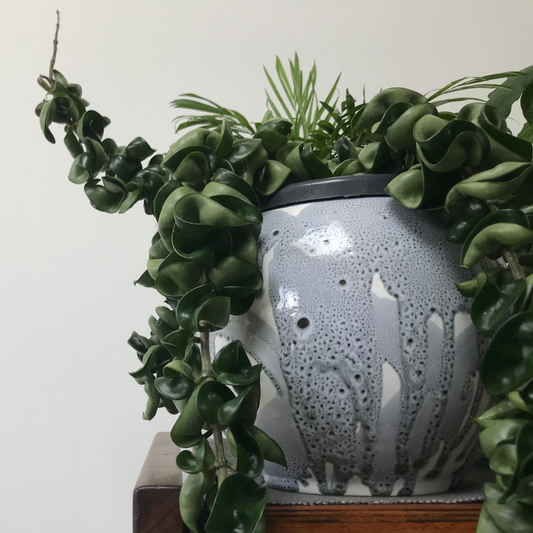
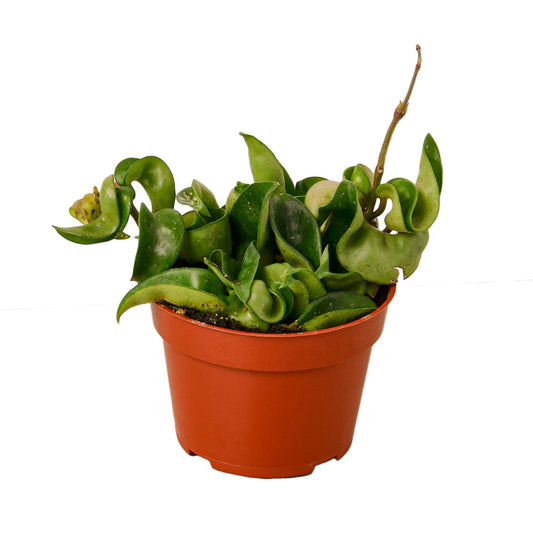
Yes. Pothos contains calcium oxalate crystals that cause oral irritation, drooling, and vomiting in cats and dogs. If you have pothos at home, keep it out of reach. If you want a trailing plant that is completely safe, a hanging peperomia or spider plant is an excellent alternative.
What is the most pet-friendly houseplant?
Spider plants, peperomia varieties, prayer plants, money trees, calatheas, and air plants are all consistently rated among the safest options for homes with cats and dogs.
Is Monstera toxic to cats?
Yes. Monstera deliciosa is toxic to cats and dogs. The calcium oxalate crystals in the leaves cause oral irritation and GI upset if ingested. Either keep your Monstera well out of reach, or choose a pet-safe alternative from our pet-friendly collection.