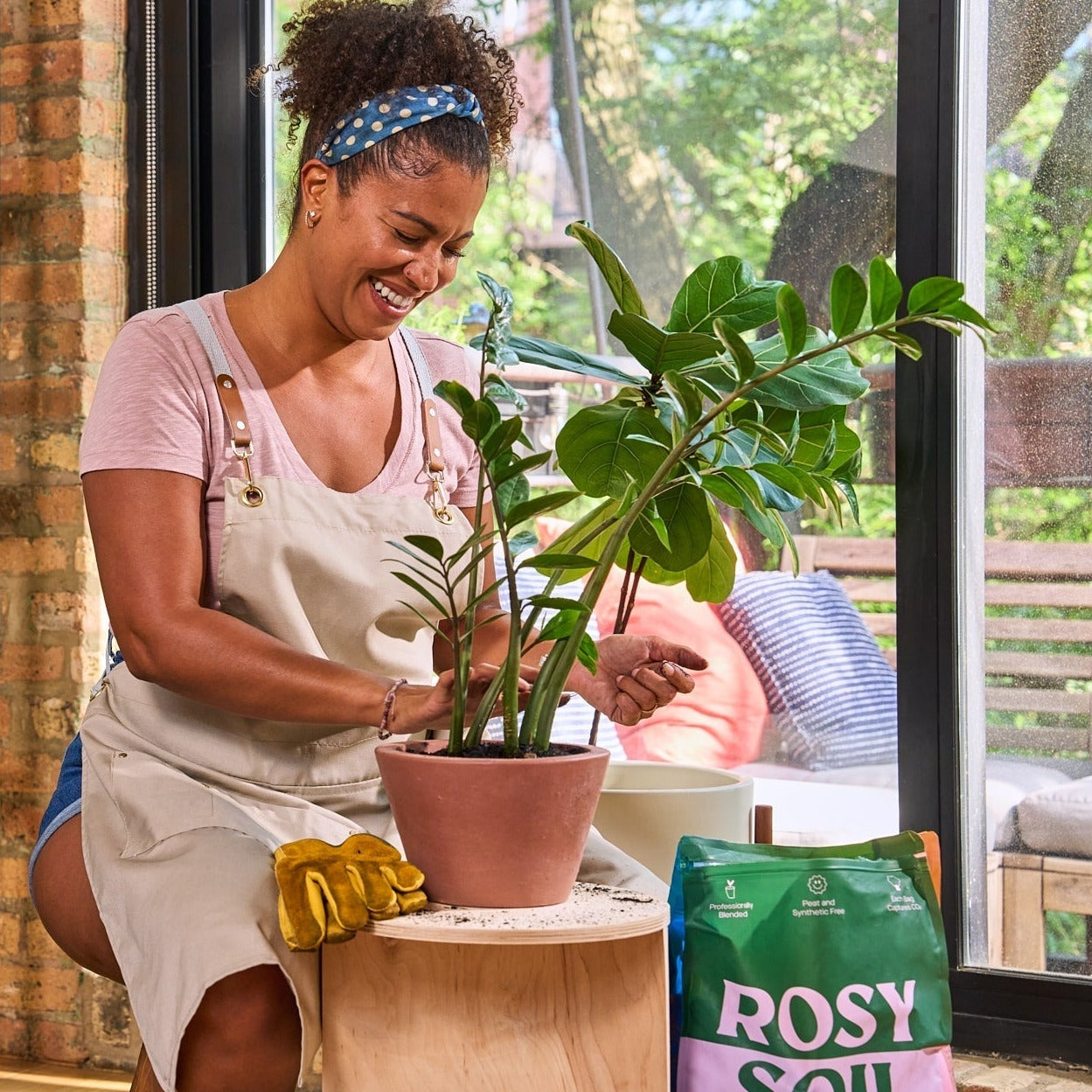

You have seen the photo. A lush plant, big glossy leaves, perfectly lit. Then a small worry creeps in before you check out: what if the thing that shows up is a sad little cutting in a pot the size of a coffee mug? It is a common fear, and a fair one.
So instead of telling you what to expect, we went back to the people who already opened the box. Again and again, the surprise they describe runs the other way. Here is what buyers have said about size and fullness, what the pot size on a listing actually tells you, and what to do if your plant turns out bigger than the spot you had planned for it.
The box-opening surprise nobody warns you about
When people talk about unboxing a plant, they usually talk about two things first: did it survive, and was it packed well. We have covered both before, in Healthy on Arrival and Open the Box. But a third reaction keeps showing up in reviews, and it is the one that makes people grin: the plant was simply bigger than they pictured.
We think there is a reason for that. When you shop online, your brain fills the gap with caution. You expect the smallest, plainest version of what you saw. So when a plant unfolds with leaves reaching past the rim, it feels like a bonus. It is a greenhouse-grown plant that was allowed to fill its pot before it shipped.
What the pot size on a listing actually means
Here is the part most shoppers skip. The number on a plant listing, such as 4" or 6", is the width of the nursery pot across the top. It is not the height of the plant, and it is not a promise about how many leaves you will get. It tells you how much root space the plant has been growing in, which is a good clue to how established it is.
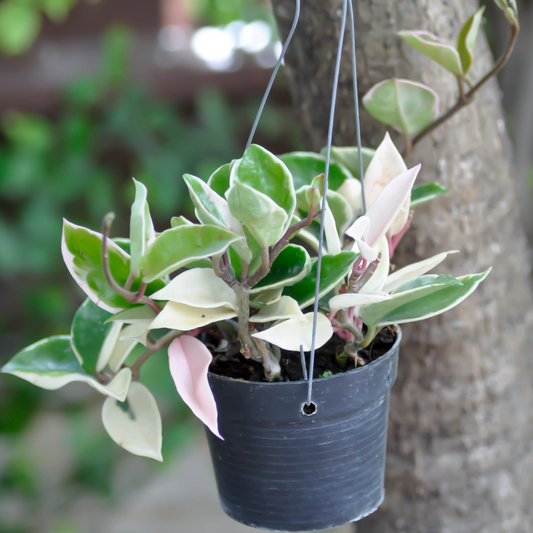
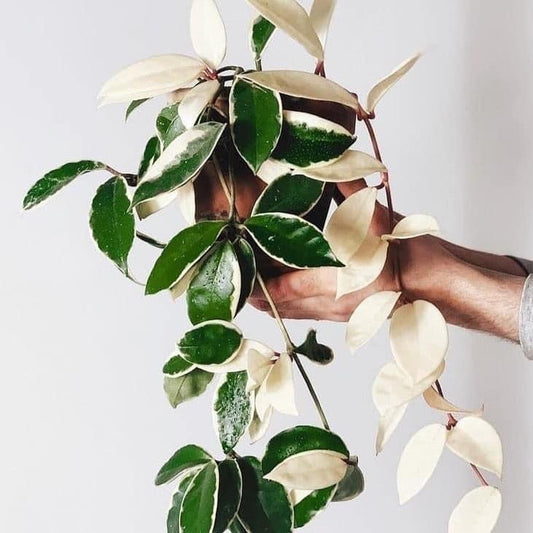
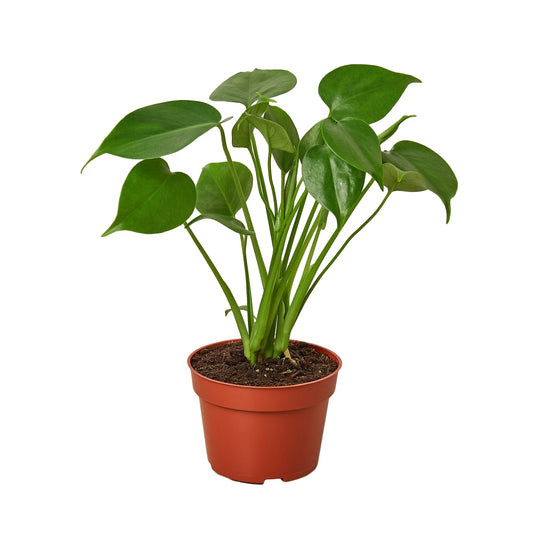
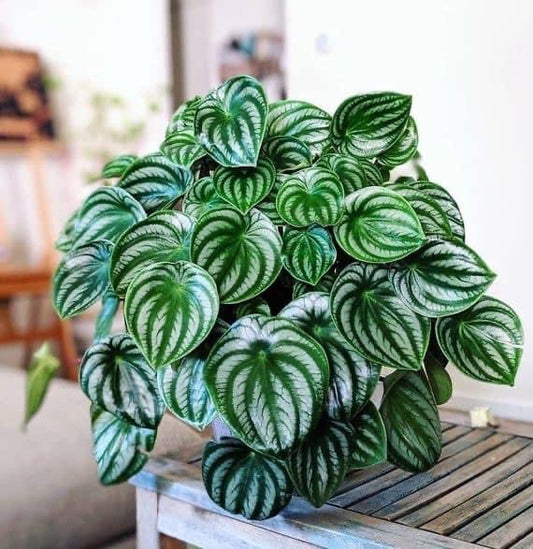
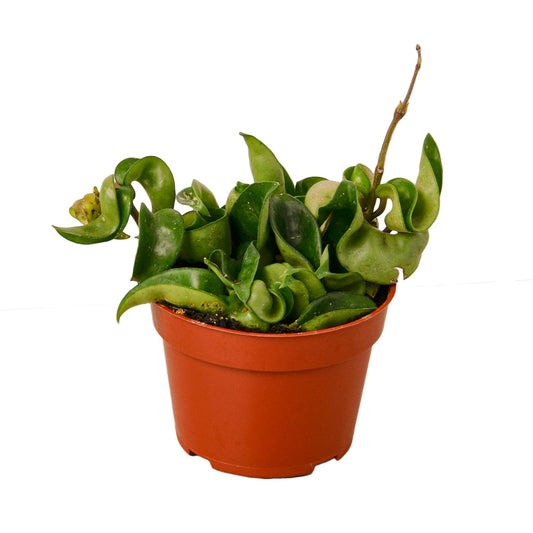
As a rough guide, a 4" nursery pot holds a young plant that sits comfortably on a desk, a windowsill, or a shelf. A 6" pot holds a more established plant with more stems and usually bigger leaves, the kind that starts to read as a statement on a side table or plant stand. Height varies a lot by species. A trailing plant in a 4" pot can spill well past the pot, while an upright plant of the same pot size may stand taller but narrower.
Because every plant grows a little differently, we always suggest checking each listing for its photos and notes rather than assuming every 4" plant looks the same. Picture where it will live. Tight shelf? Go 4". Empty corner that needs presence? A 6" plant gets you there faster.
Not sure which size fits your space?
The right size depends on your light, your room and whether you share it with pets. Take the plant quiz, which takes about a minute, and it will point you toward plants that suit the spot you actually have.
What buyers said when they opened the box
We read through reviews from our review archive and paraphrased the ones that talk about size and fullness. We kept the wording our own and left out names. One honest note up front: these reviews were written over the past few years, mostly in 2021 and 2022, so read them as a pattern rather than a headline. Here is what came up.
Bigger than expected
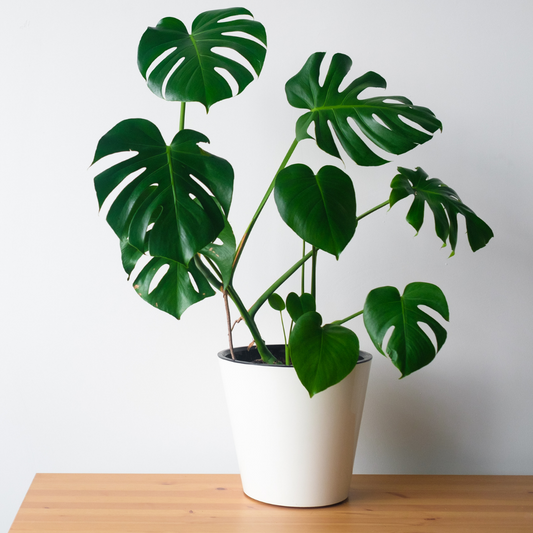
- A lot more plant than they planned for. A Monstera Deliciosa buyer said the plant was much bigger than they expected and every bit as beautiful as they had hoped.
- Put together well. Another Monstera buyer said theirs arrived well put together, green and healthy, ready to go straight into its new spot.
Fuller than expected
- Blown away by the fullness. A buyer of the Monstera Adansonii 'Swiss Cheese' said they were blown away by how full and healthy the plant was.
- Full, with an honest note. A second Adansonii buyer was surprised by how full the plant looked coming out of the box. They also mentioned a few tired leaves and planned to trim them. We like that review because it is real: a full plant that traveled can carry a leaf or two that needs a snip, and that is normal.
Leaves as large as the photo
- Huge leaves, just like the listing. A buyer of the Scindapsus 'Exotica' described huge leaves that looked just like the listing photo, said it was packed well, and planned to buy more.
- Big leaves, happy buyer. Another buyer of the same plant described it as full and healthy with big leaves and said they were satisfied with the purchase.
Notice the words that repeat: bigger, fuller, huge, just like the picture. Nobody in this group described a stick in a pot. That lines up with the main reason people come back for a second order, which you can read about in The Second Order.

A bigger plant, and a little something back
Every order can count toward your next one. When you shop and join the rewards program, you earn Leaves points toward rewards. See how Leaves rewards work.
If your plant arrives fuller than you planned for
A surprise is fun until you realize the shelf you cleared is now too small. Here is what we would do in the first few weeks when a plant shows up with more presence than expected.
- Let it settle before you change anything. Give it a week or two in bright, indirect light. A plant that just traveled is already adjusting, so skip the urge to repot or rearrange it on day one.
- Resist repotting right away. A full plant in a snug nursery pot is usually fine for now. Repot in a few weeks, or when you see roots circling the bottom or poking out of the drainage holes, and go up only one pot size.
- Check the light for its new size. More leaves means more surface to feed. If the plant is in a dim corner, move it closer to a window. Rotate it every week or two so it fills out evenly.
- Give climbers something to hold. Monsteras and Scindapsus are natural climbers. A moss pole, stake or small trellis keeps the stems tidy and encourages bigger leaves over time. If you love the spill instead, browse our trailing and hanging plants and let it hang.
- Trim tired leaves cleanly. If a leaf or two looks worn from the trip, snip it at the base with clean scissors. The plant puts that energy back into healthy growth.
If you are not sure whether something is travel wear or a real problem, take a photo in daylight and reach out. A person who knows plants can tell you the difference.
What if it arrives damaged instead of delightful?
Size surprises are the good kind. The other kind happens too, and you should know exactly what happens next. Our 30-day guarantee runs from the day your order is delivered: if a plant arrives damaged or does not make it within those 30 days, you get a replacement of the same plant, or help choosing another of the same value if it is out of stock. For plants shipped from November through March, coverage applies when Winter Plant Shipping Protection is added to the order, so it is worth adding in the colder months. The full details are in our refund policy.

Ready for a plant that fills the room?
If you want a forgiving first plant that grows into its space, start with our easy-care plants, or see everything we grow in the full live plant collection. Still weighing a 4" against a 6"? The one-minute plant quiz can help you match the plant to your light and your space.
More green, inside and out
We partner with One Tree Planted to give back through tree planting, so the plant that fills your room helps green a little more of the world too. Learn about our giving.
Frequently asked questions
Will my plant be the same size as the photo?
Plants are living things, so no two are identical, and listing photos show the plant at its best. The pot size on the listing is the most reliable guide to how established the plant is. Many buyers in our review archive said their plant arrived as big as the photo or bigger, but we always suggest reading each listing's photos and notes before you order.
Should I repot as soon as my plant arrives?
No. Give it a week or two to settle in bright, indirect light first. Repot later, when you see roots circling the pot or growing out of the drainage holes, and move up only one pot size so the soil does not stay wet too long.
What does a 4 inch pot mean for a houseplant?
It means the nursery pot is about 4 inches wide across the top. It describes root space, not plant height. A 4" plant is usually a young, desk or shelf sized plant, while a 6" plant is more established, with more stems and often larger leaves.
What if my plant arrives damaged?
Take clear daylight photos of the whole plant and the damage, then file a claim within 30 days of delivery. You get a replacement of the same plant, or help choosing another of the same value. For orders shipped November through March, coverage requires Winter Plant Shipping Protection on the order.