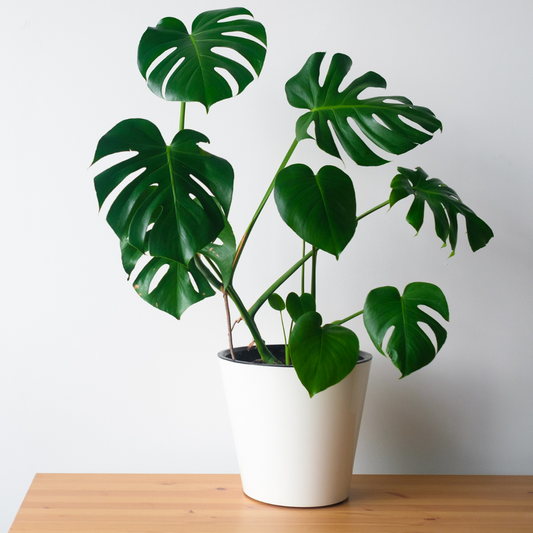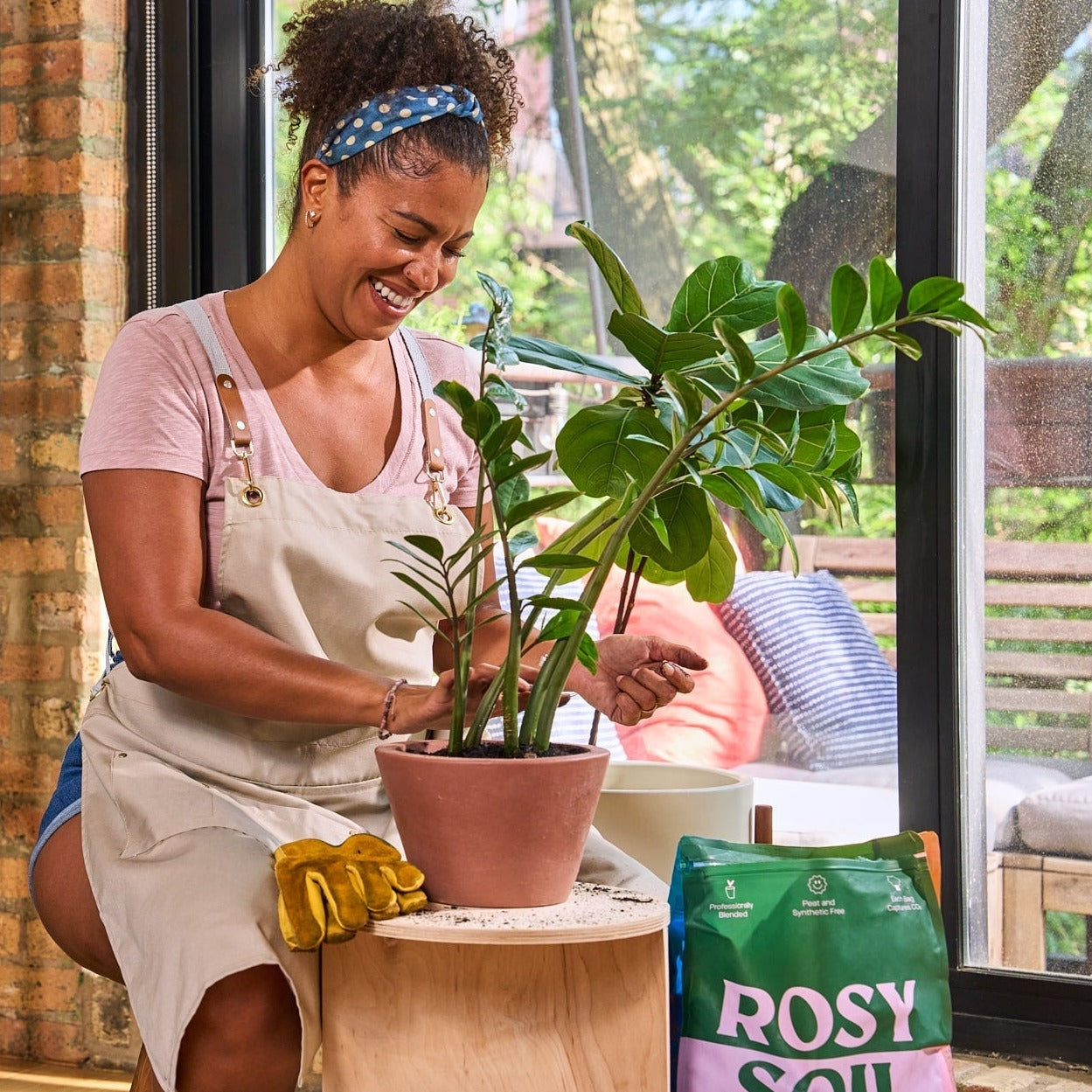
That big, glossy leaf with the dramatic splits and holes — you know the one. If you’ve ever wondered why your Monstera deliciosa does that, or how to make it do it more, you’re in exactly the right place. Most people grow a Monstera for years without ever understanding what’s actually going on — and the difference between a thriving specimen and a slow, stalled one usually comes down to a few surprisingly easy fixes.
Whether you just brought one home or you’ve had yours for a while and it’s not performing the way you hoped, this guide covers everything: light, watering, soil, humidity, aerial roots, moss poles, propagation, and the fenestration science that most care guides skip entirely. Shop Monstera Deliciosa starting at $20.99 →
Monstera Deliciosa Care at a Glance
| Care Factor | What It Needs |
|---|---|
| Light | Bright indirect light, 4–6 hours. East or west window ideal. Avoid harsh afternoon direct sun. |
| Water | When top 2–3 inches of soil are dry. Water thoroughly, then let drain completely. |
| Soil | Chunky, well-draining mix: potting soil + perlite + orchid bark. |
| Humidity | 50–70% ideal. Tolerates normal household levels. Skip misting. |
| Temperature | 65–85°F (18–29°C). Avoid cold drafts, AC vents, and temps below 50°F. |
| Fertilizer | Balanced liquid fertilizer at half strength, monthly, March–September. |
| Repotting | Every 1–2 years, or when roots escape drainage holes. |
| Toxicity | Toxic to cats, dogs, and humans if ingested. |

About the Monstera Deliciosa
Monstera deliciosa is native to the tropical forests of southern Mexico and Central America, where it grows as a climbing vine in the forest understory — working its way up large trees toward the filtered light above. In the wild, a mature plant can reach 70 feet tall. Indoors, you’re looking at a very manageable 6–10 feet, with leaves that can span 18–24 inches as the plant matures.
Its common names tell the story: Swiss Cheese Plant (for the holes), Split-Leaf Philodendron (though it’s not actually a Philodendron — it’s a Monstera in the Araceae family), and Windowleaf. That last name hints at something interesting about why those cuts and holes evolved in the first place.
Why Does Monstera Deliciosa Have Holes? The Science of Fenestration
The technical term for those splits and holes is fenestration, and most care guides brush past it as purely decorative. The science is more interesting than that. The leading hypothesis is that fenestrations evolved to let wind, rain, and light pass through the leaf rather than against it. In a tropical storm, a solid, sail-like leaf would snap off its stem. A fenestrated leaf survives the same storm with far less damage.
There’s also a compelling light-capture theory: in the dense forest understory, dappled sunlight moves across the ground as wind sways the canopy above. Fenestrations may help light reach the lower leaves of the same plant — maximizing the total surface area absorbing light across the whole organism, not just the top.
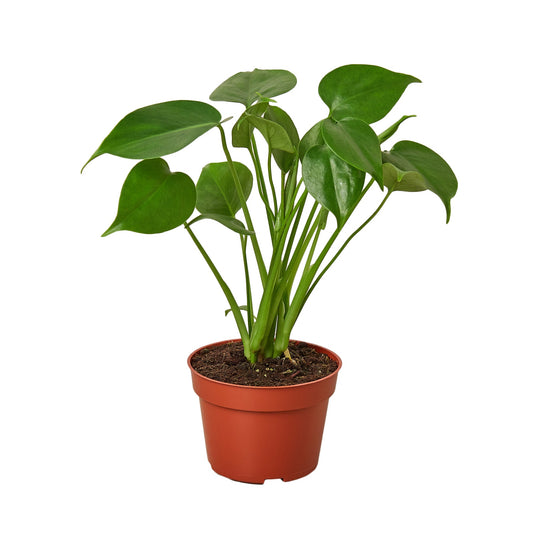
Here’s why this matters for how you care for yours: fenestration is the plant’s reward for good conditions. Small, plain, unfenestrated leaves mean the plant is surviving. Give it bright indirect light, a moss pole, and consistent care, and each new leaf will progressively become larger and more dramatically cut. This is the single most motivating fact about Monstera care.
Light Requirements
Monstera deliciosa needs bright indirect light for 4–6 hours a day to produce those iconic fenestrated leaves. In practice, that means a spot within 5–8 feet of a bright window. East or west-facing windows are ideal — they deliver strong morning or afternoon light without the intensity that causes leaf burn. South-facing windows work well if the plant is set back a few feet or filtered with a sheer curtain.
Here’s the critical nuance most guides get wrong: Monstera tolerates low light, but it won’t thrive in it. In low light, growth slows to a crawl. New leaves emerge small, often with no splits or holes at all. The plant is surviving — not growing. If your Monstera hasn’t produced a fenestrated leaf in six months, move it closer to the window before adjusting anything else. That single change resolves the problem more often than not.
One thing to avoid: direct afternoon sun on the leaves. The same window that diffuses gentle morning light can concentrate intense afternoon rays into leaf-scorching heat. Dry, bleached patches on leaves are a sign of sunburn — pull the plant back a foot or two.
How to Water Monstera Deliciosa
Watering on a calendar — once a week regardless of conditions — is the single most common mistake Monstera owners make. The right frequency depends on pot size, soil type, season, light level, and home humidity. A fixed schedule produces both overwatering and underwatering, sometimes in the same plant across different seasons.
The correct method: check the soil, not the calendar. Push your finger 2–3 inches into the soil. If it feels dry at that depth, water. If it still feels damp, check again in a day or two. When you do water, water thoroughly until it drains freely from the drainage holes, then let the pot drain completely before returning it to its saucer. Never let a Monstera sit in standing water.
In winter, Monstera’s metabolism slows and water use drops significantly — expect to water roughly half as often. In summer, particularly near a warm window, you may need to water every 5–7 days. Let the soil guide you, not the season.
Yellowing leaves with soft or mushy stems are the hallmark of overwatering. If the soil has been consistently wet, pull the plant from its pot, examine the roots, and trim any that are brown and soft before repotting in fresh well-draining mix. For a deeper look at yellow leaves across all houseplant types, see our guide: Why Are My Plant Leaves Turning Yellow? 7 Real Causes.
Soil and Potting Mix
Monstera roots need to breathe as much as they need moisture. A dense, water-retaining potting mix is a direct path to root rot. The ideal mix is chunky, airy, and fast-draining. A reliable formula: 60% standard potting soil + 20% perlite + 20% orchid bark. The perlite creates air pockets for root oxygenation; the orchid bark mimics the loose, decomposing woody debris Monsteras naturally root into on the tropical forest floor.
When repotting, always choose a container with drainage holes. Terracotta pots are excellent for Monsteras — their porosity wicks excess moisture away from the roots, giving you a wider margin for error on watering frequency. Plastic pots retain moisture longer, so reduce watering frequency if you switch.
Fertilizing Schedule
During the active growing season — roughly March through September — fertilize once a month with a balanced liquid fertilizer (10-10-10 or similar) diluted to half the recommended strength. Always apply to moist soil after watering, never dry — fertilizing dry roots causes salt burn at the root tips.
Stop fertilizing in fall and skip the winter months entirely. Monstera growth slows dramatically in low winter light, and feeding a plant that isn’t actively growing leads to fertilizer salt accumulation in the soil. White crusty residue on the soil surface or pot rim is a sign of salt buildup — flush the soil thoroughly with water to leach excess salts out.
Temperature and Humidity
Monstera deliciosa thrives in temperatures between 65–85°F (18–29°C) and handles normal household conditions with ease. The danger zones are temperatures below 50°F and sudden cold exposure — keep the plant away from exterior doors in winter, single-pane windows with cold drafts, and air conditioning vents that blow cold air directly onto leaves.
Humidity-wise, 50–70% is ideal, but Monstera handles the typical home humidity range (40–50%) without complaint. Skip misting — it doesn’t meaningfully raise ambient humidity around the plant and leaves wet leaf surfaces that can invite fungal issues overnight. For a genuine humidity boost, a small humidifier nearby or a pebble tray filled with water under the pot are both far more effective.

Aerial Roots: What to Do and What Not to Do
Here’s where a lot of care guides lead people astray. Monstera aerial roots — those brown, rope-like roots that emerge from the stem and reach outward — are not a cosmetic problem to trim away. They’re one of the plant’s most important tools, and what you do with them directly affects the size and fenestration of future leaves.
In the wild, aerial roots attach to tree bark, absorb atmospheric humidity, and pull in trace nutrients. Indoors, they do the same — and here’s the part that surprises most people: when aerial roots make contact with a moist moss pole, they trigger the plant’s “climbing mode,” producing progressively larger and more dramatically fenestrated leaves. The plant interprets the pole as a tree and responds with its full tropical growth behavior.
Our recommendation: don’t cut healthy aerial roots. Instead, train them onto a moistened moss pole or coco coir pole, or tuck the ends gently into the top layer of soil near the base of the pot where they can absorb moisture. If an aerial root is genuinely in the way of something, you can shorten it without harm — but avoid removing them entirely. Every aerial root you cut is a potential growth signal you’re eliminating.
Moss Poles: The Single Best Upgrade for Your Monstera
If you want bigger leaves and more fenestrations, a moss pole is the highest-leverage change you can make. Monsteras in nature are climbers, and when given a vertical surface to ascend, they respond with measurably larger, more complex leaves with each successive growth cycle. A Monstera left to sprawl horizontally will gradually produce smaller leaves as the unsupported stems weaken.
Install the pole at repotting time — push it deep into the soil before roots are fully established to avoid disturbing them. Keep the moss moist (a spray bottle works perfectly), and gently guide the plant’s aerial roots toward the pole surface. Within two or three growth cycles, the difference in leaf size is typically unmistakable.
Repotting
Plan to repot every 1–2 years, or sooner if roots are visibly escaping from drainage holes or the plant dries out unusually fast between waterings. Move up just one pot size at a time — a pot significantly larger than the root system holds excess moisture that roots can’t absorb, which creates conditions for root rot.
Spring is the ideal repotting window, just as the plant enters peak growing season and will recover quickly from the disturbance. Avoid repotting in winter when growth is slow and stress lingers longer before new roots can establish.
How to Propagate Monstera Deliciosa
Monstera is one of the most satisfying houseplants to propagate. The method is straightforward once you know the one essential element: the node. A node is the raised bump or joint on the stem where a leaf attaches. Without a node in your cutting, it will not root — no matter how long you wait.
Step-by-step water propagation:
- Identify a healthy stem section with at least one node and, ideally, one attached leaf.
- Cut just below the node using a clean, sharp knife or scissors.
- Remove any lower leaves that would be submerged, leaving the top leaf intact.
- Place the cutting node-down in a clean glass or jar of room-temperature water, with the node submerged and the leaf above the waterline.
- Set in bright indirect light. Change the water every 5–7 days to prevent bacterial buildup.
- Roots typically appear within 3–6 weeks. Once roots reach 1–2 inches in length, pot the cutting into well-draining soil.
Patience is the main ingredient — some cuttings root in three weeks, others take two months. As long as the stem stays firm and the node looks healthy, keep waiting. If the stem softens or turns mushy, discard and try a fresh cutting from a healthy part of the plant.
Pruning and Cleaning
Pruning a Monstera is primarily about size management and removing damaged foliage. Yellow, brown, or badly damaged leaves can be removed at any time — cut the petiole (the leaf stem) cleanly where it attaches to the main stem. Always use clean, sharp scissors or pruning shears to prevent ragged cuts that can invite disease.
For cleaning, Monstera’s large leaves collect dust over time, which reduces light absorption. Every month or two, wipe both surfaces of each leaf with a damp cloth. This is also an ideal moment to inspect the back of leaves — spider mites and scale insects prefer the undersides, and catching them early makes a significant difference in how easy they are to eliminate.
Common Pests
Monstera is relatively pest-resistant, but three insects are worth watching for. Spider mites thrive in dry conditions and leave fine webbing on leaf undersides and between stems. Scale insects appear as small brown or tan bumps on stems that don’t move when touched. Mealybugs show up as cottony white clusters in leaf joints and along stems.
For all three, begin with a thorough application of diluted neem oil, covering both sides of every leaf and all stem crevices. Repeat weekly for three to four weeks. For heavy infestations, isopropyl alcohol applied directly with a cotton swab is highly effective for spot-treating scale and mealybugs.

Troubleshooting Common Monstera Problems
Yellowing leaves: The most common cause is overwatering or root rot. If the soil has been consistently wet, pull the plant from its pot and inspect the roots — healthy roots are firm and white or light tan; rotted roots are brown, soft, and mushy. Trim damaged roots, repot in fresh well-draining mix, and hold off on watering for several days. Occasional lower-leaf yellowing as the plant ages is normal; widespread yellowing is a watering signal.
Brown leaf tips: Usually indicates low humidity or inconsistent watering — specifically, allowing soil to go completely dry before watering. Boost ambient humidity and aim to water before the soil reaches bone-dry. Brown tips from fertilizer burn look similar; flush the soil with clean water if you suspect salt accumulation.
No fenestrations after extended growth: This is a light problem in the vast majority of cases. Move the plant meaningfully closer to a window — not just a foot, but enough to genuinely increase light intensity. Add a moss pole if you haven’t already. Check whether the plant is root-bound, as a severely pot-bound plant that has depleted its soil nutrients may stall on leaf development even in good light.
No new growth at all: In growing season, this points to low light, rootbound conditions, or both. In winter, slow or no growth is normal and expected — Monstera rests in low-light months. Rule out each cause methodically before concluding something is wrong.
Is Monstera Deliciosa Toxic?
Yes. All parts of the Monstera deliciosa plant contain calcium oxalate crystals, which are toxic to cats, dogs, and humans if ingested. In pets, symptoms include drooling, vomiting, difficulty swallowing, and pawing at the mouth. In humans, ingesting any part of the plant causes mouth and throat irritation. Keep Monstera out of reach of curious pets and young children.
If you love the bold tropical look but need a pet-safe alternative, browse our full live plant collection — we carry a wide range of non-toxic varieties that are equally striking.
Ready to Add a Monstera to Your Home?
Our Monstera deliciosa ships greenhouse-direct, arriving the same way it lived: thriving under the care of experienced growers, not sitting in a warehouse under fluorescent lights. Orders over $149 ship free, and every plant is covered by our 30-Day Guarantee — if it arrives damaged or declines within 30 days, we make it right. Shop Monstera Deliciosa → Starting at $20.99
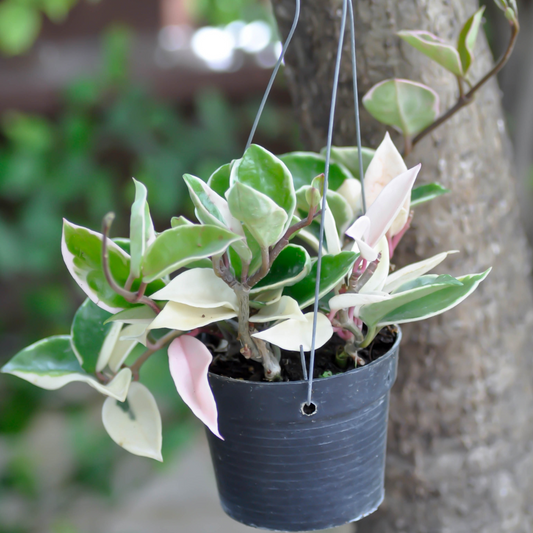
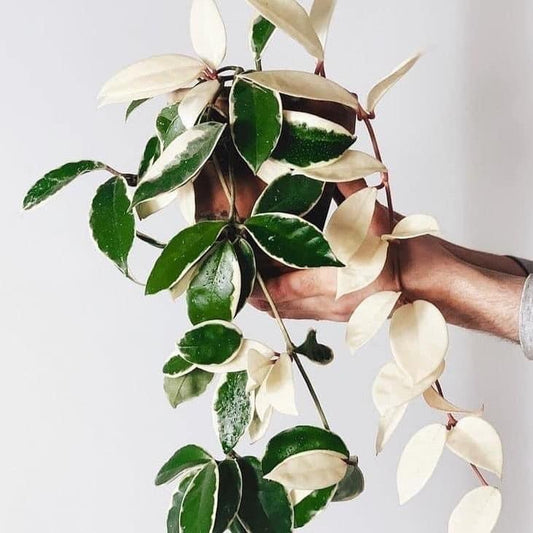
Looking for companion plants with the same bold tropical energy? Explore our tropical houseplant collection, or check out care guides for the Pothos and the Hoya Rope Plant — two other popular aroids that pair beautifully with Monstera in any plant collection.
Shop Monstera Deliciosa → Starts at $20.99
Free shipping on orders $149+. Backed by our 30-Day Guarantee.
Frequently Asked Questions
How often should I water a Monstera deliciosa?
There’s no fixed schedule that works for all conditions — it depends on your pot size, soil type, light level, and home humidity. The right method is to check the soil rather than count days. Water when the top 2–3 inches of soil feel dry to the touch, then water thoroughly and let the pot drain completely. In winter, this will be significantly less frequent than in summer. Watering on a calendar is the most common cause of both overwatering and underwatering.
Why isn’t my Monstera getting splits and holes (fenestrations)?
Fenestrations develop in response to maturity and good growing conditions — primarily bright indirect light. If your Monstera’s new leaves are coming in plain and uncut, the most likely cause is insufficient light. Move the plant meaningfully closer to a window. Adding a moist moss pole also helps by triggering the plant’s natural climbing behavior, which produces progressively larger and more fenestrated leaves. Very young plants (under about 2 feet) often don’t fenestrate yet regardless of conditions — that’s normal.
What should I do with Monstera aerial roots?
Don’t cut them. Aerial roots absorb humidity and nutrients, and more importantly, they signal larger leaf production when they make contact with a moist moss pole. Train aerial roots onto a moistened coco coir or sphagnum moss pole, or tuck the ends into the top of the soil where they can absorb moisture. Removing healthy aerial roots eliminates a key growth trigger and slows overall development.
How big does a Monstera deliciosa get indoors?
With good light and a moss pole, a Monstera can reach 6–10 feet tall over several years. Leaves on a mature plant can span 12–24 inches. Without a pole, the plant tends to sprawl sideways and leaf size stays smaller. Height and leaf size are both strongly correlated with light quality — bright indirect light produces visibly faster growth and larger leaves than lower-light conditions.
Does Monstera need a moss pole to grow?
No — it will grow without one. But it’s a natural climber, and giving it something to climb changes the trajectory of its development significantly. Without a pole, the plant sprawls and produces progressively smaller leaves over time. With a moist moss pole, aerial roots engage with the support, and the plant produces progressively larger, more dramatic leaves with each new growth cycle. If your goal is big, bold fenestrations, a moss pole is the single highest-leverage change you can make.
How do I propagate Monstera deliciosa in water?
Find a stem section with at least one node — the raised bump where a leaf attaches. Cut just below the node with a clean blade, remove any leaves that would be submerged, and place the cutting node-down in a clean jar of room-temperature water. Change the water every 5–7 days. Roots typically appear within 3–6 weeks. Once roots reach 1–2 inches, pot into well-draining soil. Without a node in the cutting, it will not root — this is the most common propagation mistake.
Is Monstera toxic to cats and dogs?
Yes. Monstera deliciosa contains calcium oxalate crystals throughout the plant. If ingested by cats or dogs, symptoms include drooling, vomiting, and mouth irritation. Keep it out of reach of pets. If you need pet-safe houseplants, we carry many beautiful non-toxic varieties.
Can Monstera live in low light?
It can survive in low light, but the results are noticeably different from a plant in bright indirect light. In low light, growth is slow, new leaves are small, and fenestrations rarely develop. If your Monstera is in a low-light spot and not producing the large, dramatic leaves you’re hoping for, moving it to a brighter location is almost always the first and most impactful fix.
How fast does Monstera grow indoors?
In good conditions — bright indirect light, consistent watering, monthly fertilizing during the growing season — a Monstera can push a new leaf every 4–6 weeks from spring through fall. In winter or lower light, growth slows to one leaf every few months or less. A moss pole accelerates growth noticeably, as climbing behavior triggers the plant’s full leaf-production potential.
Why are my Monstera leaves turning yellow?
Yellow leaves most often signal overwatering or root rot — particularly if the yellowing is accompanied by soft stems or persistently wet soil. Check the top 2–3 inches of soil: if it’s been soggy, pull the plant out, inspect the roots, trim any that are brown and mushy, and repot in fresh mix. For a comprehensive guide covering all the causes of yellow leaves across houseplants, see: Why Are My Plant Leaves Turning Yellow? 7 Real Causes.