
The snake plant (Dracaena trifasciata, formerly Sansevieria trifasciata) is the most forgiving houseplant you can own. Whether you're a brand-new plant parent or someone who has been known to forget watering for weeks at a time, the snake plant will survive — and even thrive. With its striking upright leaves and virtually no-fuss care requirements, it has earned its reputation as the indestructible beginner plant.
At Plant Swag Shop, we ship live snake plants greenhouse-direct to your door, so they arrive fresh and ready to grow. We carry over a dozen varieties — from the classic Laurentii to the architectural Cylindrica, the luminous Moonshine, and more — all backed by our 30-Day Guarantee.
What Is a Snake Plant?
The snake plant — Dracaena trifasciata — is a succulent native to West Africa, primarily Nigeria and the Congo. It was reclassified from Sansevieria trifasciata to Dracaena trifasciata in 2017 based on molecular phylogenetic research, though you will still commonly see it sold and searched under the old name. Both "Sansevieria" and "Dracaena trifasciata" refer to the same plant — if you're searching for sansevieria care, you're in the right place.
Also known as mother-in-law's tongue, Saint George's sword, and viper's bowstring hemp, this evergreen perennial forms tight rosettes of tall, sword-shaped leaves. It stores water in its thick, fleshy leaves like a true succulent, which is exactly why overwatering is the only real way to kill it.
Snake Plant Care at a Glance
| Care Factor | Requirement |
|---|---|
| Scientific Name | Dracaena trifasciata (formerly Sansevieria trifasciata) |
| Light | Bright indirect light preferred; tolerates low light |
| Water | Every 2–6 weeks; let soil dry completely between waterings |
| Soil | Well-draining cactus or succulent mix |
| Humidity | Low to average (30–50% RH); very tolerant |
| Temperature | 60–85°F (15–29°C); avoid frost |
| Fertilizer | Monthly in spring and summer; none in fall and winter |
| Toxicity | ⚠️ Toxic to cats and dogs (ASPCA confirmed) |
| Difficulty | Beginner — one of the easiest houseplants available |
Snake Plant Light Requirements
Snake plants are often marketed as plants that will grow in any dark corner, but that is only half the story. They will survive in low light, but they grow best in bright indirect light. A north- or east-facing window is ideal. They can handle a few hours of direct morning sun but may scorch under intense afternoon sun.
The PSS stance on light: your snake plant will survive low light, but for vigorous upright growth and vibrant coloring, place it where it receives bright indirect light for most of the day. In very low light, growth slows dramatically and the plant may lean toward the nearest light source (etiolation).
Looking for plants that genuinely do well in darker rooms? Explore our low-light plant collection — snake plants are among the best options alongside pothos and ZZ plants.
How to Water a Snake Plant

Overwatering is the single biggest killer of snake plants. Because they store water in their thick, fleshy leaves, they need far less water than most houseplants. Our rule: water every 2–6 weeks when the soil is completely dry — not on a fixed calendar schedule. Check the soil by pushing your finger 2 inches deep. If there is any moisture at all, wait.
Seasonal Watering Guide
- Spring and summer (growing season): Water every 2–3 weeks. The plant is actively growing and soil dries faster in warmer conditions.
- Fall and winter (dormant season): Water every 4–6 weeks. Growth slows dramatically and overwatering risk is highest during the colder months.
Always use pots with drainage holes. Water thoroughly until it drains from the bottom, then let the soil dry completely before watering again. Never let your snake plant sit in standing water.
Why are my snake plant leaves wrinkled or soft?
Wrinkled or soft leaves typically indicate underwatering — the plant has depleted the water stored in its leaves. Give it a thorough watering and it should recover within a few days. If the leaves are wrinkled and accompanied by a mushy base or foul smell, that points to root rot from overwatering rather than drought. See the troubleshooting section below for how to fix root rot.
Best Soil for Snake Plants
Snake plants thrive in fast-draining, porous soil. Standard potting mix holds too much moisture and will lead to root rot over time. Use a pre-made cactus or succulent mix, or amend regular potting soil with 40–50% perlite for improved drainage. Avoid soils with added water-retention crystals or heavy peat content.
If you are repotting from a nursery container, check the current soil type. Many growers ship in peat-heavy mixes that work fine short-term but benefit from an upgrade at the first repot.
Humidity and Temperature
One of the snake plant's greatest strengths is its tolerance for normal indoor conditions. It handles a wide humidity range — from very dry air (20% RH) to average household humidity (50% RH) — without complaint. No misting or humidity trays are needed.
Keep your snake plant in temperatures between 60°F and 85°F (15–29°C). It will not tolerate frost or temperatures below 50°F, which cause the leaves to turn mushy and collapse. Keep it away from drafty windows and cold vents in winter.
Fertilizing Your Snake Plant
Snake plants are light feeders. During the active growing season (spring through summer), fertilize once a month with a balanced liquid fertilizer diluted to half the recommended strength. In fall and winter, skip fertilizing entirely. Overfertilizing causes brown leaf tips and salt buildup in the soil, which damages the roots over time.
Ready to add a snake plant to your home?
All orders backed by our 30-Day Guarantee. Free shipping on orders $149+.
Browse Our Snake Plant Collection →How to Propagate a Snake Plant
Snake plants are easy to propagate, but there is an important caveat for variegated varieties. Here are the three methods:
1. Division (easiest — preserves variegation): When repotting, gently separate the pups (offshoots) from the mother plant at the root level. Each pup can be potted separately and will grow into a full new plant. This is the only method that preserves the variegation of cultivars like Laurentii — leaf cuttings from Laurentii will produce all-green plants.
2. Leaf cuttings in water: Cut a healthy leaf into 3–4 inch sections. Mark which end is up (roots will only emerge from the bottom cut). Place cut-end down in a jar of water and change the water weekly. Expect roots in 4–8 weeks. Note: variegated varieties like Laurentii revert to plain green from leaf cuttings — use division to preserve the yellow edge.
3. Rhizome division: For mature plants with visible horizontal rhizomes, cut the rhizome and pot each section separately. Dust cut ends with cinnamon as a natural antifungal and let them air-dry for an hour before potting in fresh, dry mix.
How do I propagate a snake plant?
The easiest method is division — separate the pups (offsets) from the mother plant during repotting and pot each one individually. For variegated cultivars like Laurentii, always use division rather than leaf cuttings, because leaf cuttings lose the yellow variegation and produce plain green plants. Water propagation is also possible with plain leaf sections; expect roots in 4–8 weeks with weekly water changes.
When and How to Repot a Snake Plant
Repot every 2–3 years, or when roots are escaping the drainage holes or pushing the plant up out of its pot. Snake plants tolerate being root-bound and prefer slightly snug conditions — do not jump up more than 1–2 inches in pot diameter at each repot. Too large a container holds excess moisture and increases root rot risk.
Best time to repot: spring, at the start of the growing season. Use fresh cactus or succulent mix. Let the plant settle for 1–2 weeks before resuming regular watering.
When and how should I repot a snake plant?
Repot your snake plant every 2–3 years, or when roots are circling the bottom of the pot or pushing up through the soil surface. Choose a container only 1–2 inches larger than the current one to avoid excess soil moisture. Spring is the ideal time. Use fresh, well-draining cactus mix and wait 1–2 weeks before resuming regular watering so the roots can settle without stress.
Common Snake Plant Problems and How to Fix Them
Why are my snake plant leaves turning yellow?
Yellowing snake plant leaves almost always signal overwatering. When the soil stays wet too long, roots cannot absorb oxygen and the leaves begin to yellow and soften. Let the soil dry out completely, reduce watering frequency, and confirm your pot has drainage holes. If the yellowing is accompanied by a rotten smell or mushy base, you are dealing with root rot — see below.
How do I fix snake plant root rot?
Root rot is reversible if caught early. Remove the plant from its pot and shake off the soil. Cut away all black, mushy, or slimy roots with clean scissors. Let the healthy white roots air-dry for 30–60 minutes. Dust cut surfaces with cinnamon as a natural antifungal. Repot into fresh, dry cactus mix in a clean pot and wait one full week before watering. Going forward, water only when the soil is completely dry.
⚠ Is the Snake Plant Toxic to Pets?
Yes — the snake plant (Dracaena trifasciata) is toxic to cats and dogs. According to the ASPCA Animal Poison Control Center, snake plants contain saponins, natural chemical compounds that cause nausea, vomiting, and diarrhea if ingested by pets. Symptoms are typically mild to moderate but veterinary attention is recommended if your pet has consumed any part of the plant.
Keep snake plants out of reach of cats and dogs. If ingestion occurs, contact your veterinarian or the ASPCA Animal Poison Control Center (888-426-4435) immediately.
Is the snake plant toxic to cats and dogs?
Yes. The ASPCA confirms that snake plants (Dracaena trifasciata) are toxic to cats and dogs. The plants contain saponins, which cause nausea, vomiting, and diarrhea when ingested. Symptoms are usually mild to moderate. Keep snake plants away from pets and contact your vet or the ASPCA Animal Poison Control Center (888-426-4435) if your pet ingests any part of the plant.
Snake Plant Varieties at Plant Swag Shop

Most people picture one snake plant, but the family is surprisingly diverse. We carry a full range of varieties, each with a distinct personality:
| Variety | Distinctive Feature | Interior Style |
|---|---|---|
| Snake Plant Laurentii | Tall upright leaves with bold yellow margins — the iconic, most recognized variety | Bohemian, eclectic, farmhouse |
| Snake Plant Zeylanica | Deep green with lighter mottled cross-banding; no yellow edge; extremely hardy | Any style — universally versatile |
| Snake Plant Moonshine | Ethereal pale silvery-green leaves; unusual and striking; ideal for modern interiors | Modern, Japandi, minimalist |
| Snake Plant Starfish | Fan-shaped rosette of cylindrical leaves; compact and sculptural; unlike any other snake plant | Scandinavian, shelf styling |
| Snake Plant Cylindrica | Round, hollow tube-like leaves; sculptural and architectural; grows in a fan shape | Industrial, contemporary, loft |
| Snake Plant Starlight | Compact variety with silver-tinged variegation; ideal for smaller spaces | Transitional, bedroom, office |
| Shark Fin (Whale Fin) | Single broad paddle-shaped leaf — the most dramatic statement plant in the family | Statement, luxury, gallery wall |
Sansevieria vs. Dracaena trifasciata: Understanding the Name Change
If you searched "Sansevieria care" and landed here, you are in the right place. In 2017, botanists reclassified Sansevieria trifasciata into the Dracaena genus based on molecular genetic research, making the updated scientific name Dracaena trifasciata. The common names — snake plant, mother-in-law's tongue — have not changed. Many growers, retailers, and plant tags still use "Sansevieria," so you will see both names used interchangeably across the hobby. Both refer to the same plant.
Snake Plant Care FAQ
How often should I water a snake plant?
Water your snake plant every 2–6 weeks, letting the soil dry out completely between waterings. In spring and summer, water every 2–3 weeks. In fall and winter, stretch to every 4–6 weeks. Always check the soil 2 inches deep before watering — if there is any moisture, wait. The golden rule: when in doubt, do not water. Underwatering is far easier to recover from than root rot.
Can snake plants survive in low light?
Yes — snake plants are among the most tolerant houseplants for low-light conditions and can survive in north-facing rooms with minimal natural light. Growth will slow significantly in low light, and the plant may lose some vibrancy in its leaf coloring. For the best leaf color and growth rate, provide bright indirect light. They will not thrive in total darkness but can adapt to almost any indoor light situation.
How fast do snake plants grow?
Snake plants are slow to moderate growers. In good conditions with bright indirect light and regular fertilizing through spring and summer, expect 2–6 new leaves per year per plant. In low light or cool conditions, growth may slow to 1–2 leaves per year. Their slow pace is offset by their incredibly long lifespan — well-cared-for snake plants can live for decades.
Do snake plants clean the air?
The NASA Clean Air Study found that snake plants remove toxins including formaldehyde, benzene, and trichloroethylene from the air. The study used controlled lab conditions, so real-world impact in a typical home requires many plants to make a measurable difference. That said, snake plants are one of the few houseplants that continue producing oxygen at night, making them a solid choice for bedrooms. The air-purification benefit is real — just not dramatic in a standard living space.
Why Buy Your Snake Plant from Plant Swag Shop?
At Plant Swag Shop, every snake plant ships greenhouse-direct — straight from our growers to your door, not sitting in a warehouse. Here is what makes us different:
- 30-Day Guarantee on every order — if your plant arrives damaged or does not make it in the first 30 days, we make it right
- Greenhouse-direct shipping means fresh, healthy plants in transit-ready condition — not stressed stock that sat in dark storage
- Expert horticulturists available to help with care questions after your purchase
- Free shipping on orders $149+
- Over a dozen snake plant varieties from beginner-friendly Zeylanica to the rare Moonshine and sculptural Shark Fin
Ready to find your perfect snake plant?
Shop live, greenhouse-direct snake plants with free shipping on orders $149+. Backed by our 30-Day Guarantee.
Shop Snake Plants at plantswagshop.com →Browse All Plants
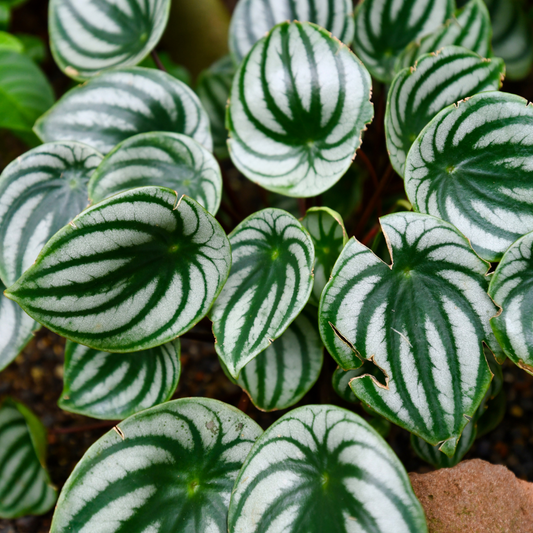
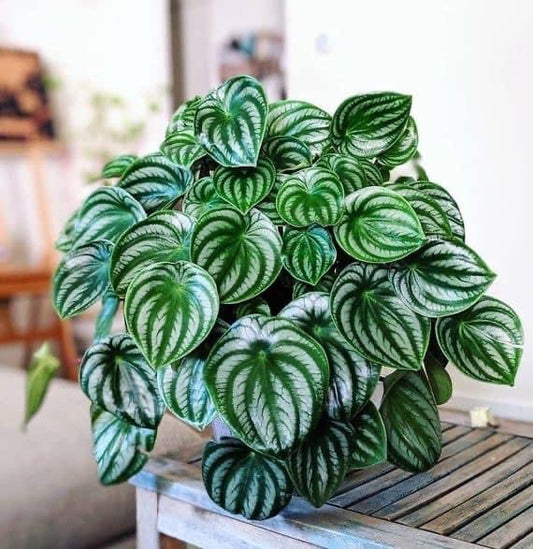
If you enjoy low-maintenance houseplants, you might also love our care guides for the Watermelon Peperomia — another nearly indestructible beginner plant — or the Maranta Red Prayer Plant if you are drawn to bold, patterned foliage. For a curated selection of plants that genuinely thrive without fuss, explore our easy-care plant collection.