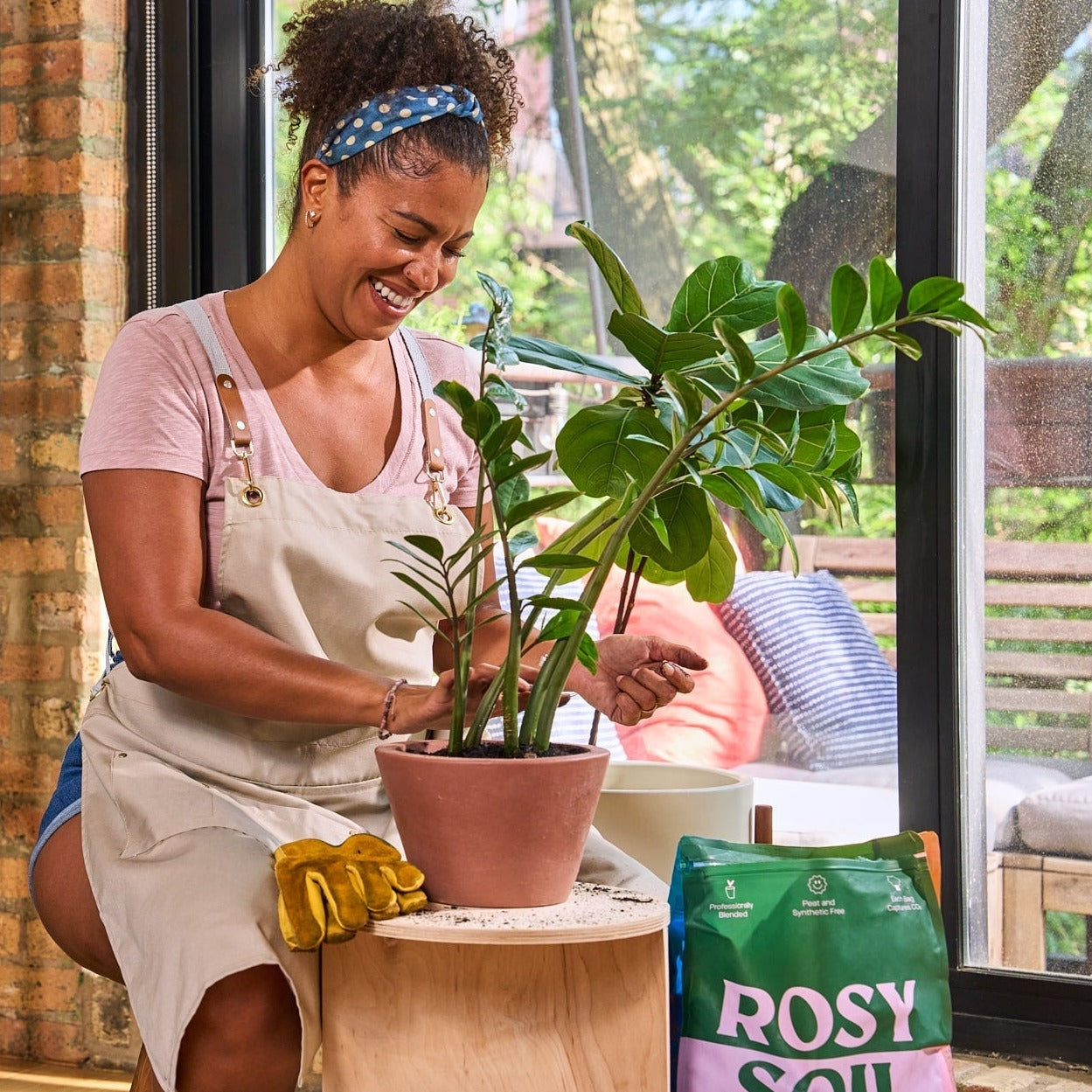
There is a moment right before you click Buy on a live plant that has nothing to do with the plant itself. You are not wondering whether you will like it. You are wondering whether it will arrive as a plant at all, or as a bruised stem and a pile of loose soil in the crushed corner of a box.
That worry is reasonable. It is also answerable, because moving a living thing across the country is not luck. It is a process, and every step of it exists because of something that went wrong for somebody once.
Here is what actually happens to your plant between the greenhouse bench and your front door.

The question behind the question
When buyers ask whether a plant will survive the trip, they are usually asking three separate things at once. Will it arrive damaged. Will it be a fraction of the size in the photo. And if either of those happens, will fixing it turn into an argument.
Those are mechanical questions, and they deserve mechanical answers rather than reassurance. We have already written about how that first delivery feels from the customer's side in First Order, First Love. This is the other half of it: the reason it tends to feel that way.
Stage one: the bench
Your plant does not begin its journey in a warehouse. It begins on a greenhouse bench, and that single fact shapes everything that follows.
Greenhouse-direct means the plant is still actively growing on the day your order comes in. It has not spent three weeks in a dim distribution center burning through its reserves before anyone thought about a box. A plant that leaves in active growth has the energy to absorb a few hard days. A plant that has already been quietly stressed for a month does not, and no amount of clever packing will change that.
It also means the plant goes into the box at the size it grew to. Nothing gets trimmed back to fit a cheaper carton. That decision is the reason so many reviews land on some version of "bigger than I expected," and it is worth knowing before you shop rare plants, where size expectations run highest and disappointment would sting most.

Stage two: the pack
Packing a live plant is mostly the work of stopping three kinds of movement.
The first is the pot sliding. The pot gets braced so it cannot travel inside the carton, because a loose pot becomes a wrecking ball the first time a conveyor belt drops the box six inches.
The second is soil escaping. The surface of the soil gets covered and secured, which is why a plant arrives with its root ball intact instead of half of it redistributed across the leaves. Soil that stays put also keeps the roots insulated, which matters more than people expect.
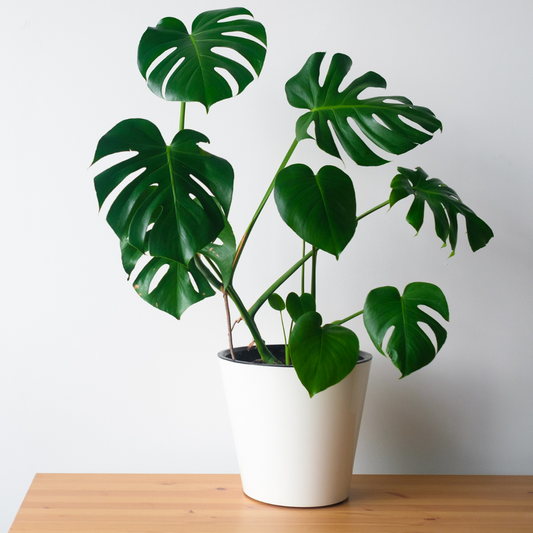
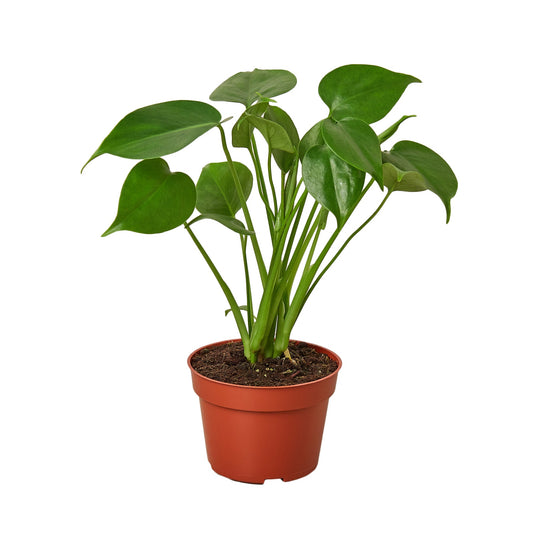
The third is leaf whip. Long stems and wide leaves get supported so they cannot flex back and forth for two straight days. This is the step that protects exactly the plants people worry about most: a Monstera Deliciosa with a leaf span wider than the box is deep, or a Philodendron Micans with vines long enough to fold back on themselves.
Then there is the box. A live plant carton is sized to the plant rather than to whatever is stacked by the door, because empty air inside a box is just room for the plant to fall over.
Stage three: the dark days
Here is the part that surprises almost everyone. Your plant spends its entire transit in complete darkness, and that is genuinely fine.
Most houseplants are tropical understory species. They evolved beneath a canopy where light is filtered, intermittent and often blocked entirely for stretches. Two to four days in a dark box sits comfortably inside what they are built to tolerate. Growth pauses, the plant idles, and it starts again when the light comes back.
What they tolerate far less well is temperature. Cold, not darkness, is the real risk in transit, which is why heat packs go into the box whenever a route runs through cold weather. In August they are rarely needed. They are still part of the year-round process rather than a seasonal feature that gets switched on in November.
Timing gets managed too. Nobody wants a living plant sitting in a sorting facility across a weekend, so ship days are chosen to keep the dark window as short as the route allows.
Stage four: the doorstep
When the box lands, a healthy plant looks like this. Leaves may be slightly folded, curled or drooping. The soil is on the drier side. The stems are firm.
Drooping is the symptom that frightens people, and it is almost always nothing more than thirst plus a few days without light. Water it, put it somewhere with bright indirect light, and then leave it alone for a week before you form an opinion. Most plants have visibly recovered within a day or two. Resist the urge to repot immediately, which is the single most common way a perfectly healthy arrival gets set back.
What is not normal: mushy or blackened stems, a root ball that has broken apart, or a crushed growth point. Those are worth flagging straight away rather than waiting to see whether they resolve.

What buyers actually notice
Read enough verified reviews and the same handful of themes keep surfacing. What is interesting is how neatly each one maps back onto a stage above.
People comment on the box before they comment on the plant, which is what happens when the packing has done its job so thoroughly it becomes the story. People report plants noticeably larger than the listing photo suggested, which is the bench decision arriving on a doorstep. People describe plants that look green and firm rather than shocked, which is what a short dark window looks like from the receiving end. One buyer flagged a single unhappy leaf and had a replacement on the way without having to make a case for it. Another is now more than a dozen plants deep and still ordering.
That last one is the signal worth trusting. A single good arrival is a story. Twelve of them in a row is a process. The version of this told through order data rather than individual experiences is in What 500+ Orders Taught Us About Shipping Plants Alive.
If something does go wrong
Sometimes it does. A leaf gets crushed. A box takes a bad turn through a facility. A plant arrives unhappy in a way that a week of good light does not fix.
Every order carries a 30-Day Guarantee, and if a plant arrives unhappy, we make it right. Plenty of sellers advertise something similar, so the promise itself is not the differentiator. What matters is how much work it takes on your end, and the answer should be: send a photo, get a resolution. Guarantee in Action walks through what that actually looks like start to finish.
Start with something forgiving
If this is your first live plant order, there is no reason to make it harder than it needs to be. A Pothos N Joy or a Snake Plant Laurentii will shrug off a rough trip and a beginner's watering schedule with equal indifference. The wider easy care range is built around exactly that resilience, and desk and small space plants travel especially well for the simple reason that there is less leaf to protect.
Once you have watched one arrive, drink, and settle into a corner, the fear does not really come back. That tends to be the moment people start eyeing a Pink Princess, or sign up for a plant subscription box and let something new turn up every month.
When you are ready, the full collection of live plants is there to browse. What happens between the bench and your door does not change based on what you order.
Frequently asked questions
How long is a plant actually in the box?
Typically two to four days depending on the route. Ship days are selected so the box is not sitting idle in a facility over a weekend, since the goal is to keep the dark window as short as possible rather than simply to dispatch quickly.
My plant arrived drooping. Is it dying?
Almost certainly not. Drooping after transit is usually thirst combined with a few days of darkness. Water it, place it in bright indirect light, and give it a full week before judging. Most plants look normal again within a day or two. Do not repot it during that first week.
Do plants ship safely in cold weather?
Yes. Cold is the genuine risk in transit, not darkness, so heat packs are included whenever a route runs through cold conditions. That is part of the standing process year round rather than a seasonal add on.
Will my plant be smaller than the photo?
Plants are not cut back to fit a smaller box, which is why arrival size lands at or above expectation far more often than below it. Every plant is an individual, so exact shape varies, but nobody is trimming leaves to save on shipping.
What should I do if something is clearly wrong?
Photograph it and get in touch. Mushy stems, a collapsed root ball or a crushed growth point are the signs worth reporting immediately rather than waiting out. Coverage on every order exists precisely so that conversation stays short.