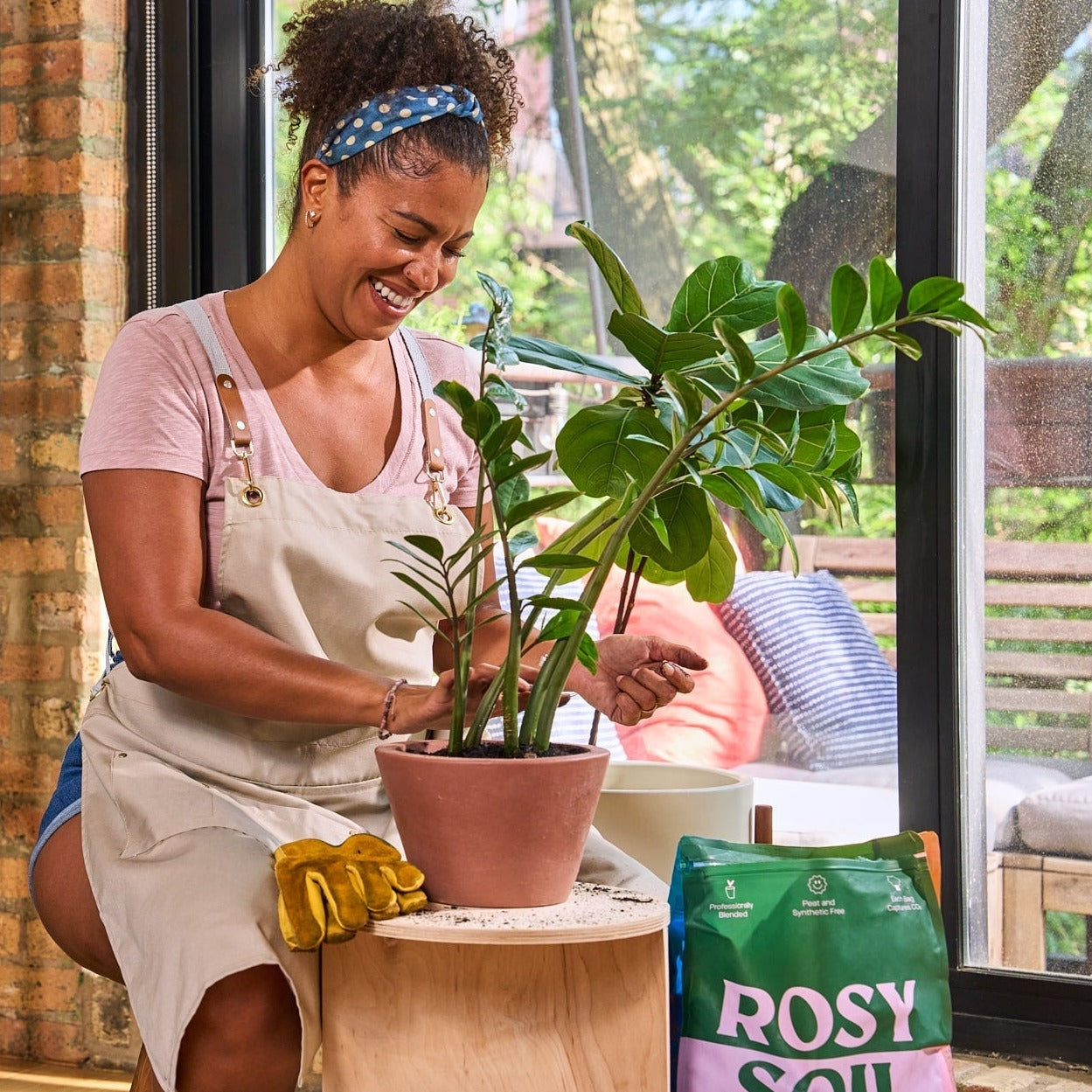
Picture a corner of your home lit by one warm lamp: a wall of well-thumbed books, aged brass, a heavy velvet throw, and dark, glossy leaves spilling over the edge of a wooden shelf. This is dark academia, the moody, scholarly, romantic aesthetic that treats a room like a private library. The look usually leans on dried flowers and pressed botanicals. We have a better idea. Trade the dead stems for living greenery that actually grows richer and moodier over time.
Below is how to build a living dark academia space, plant by plant, with real houseplants that ship to your door alive and ready to trail, sprawl, and layer into the look.
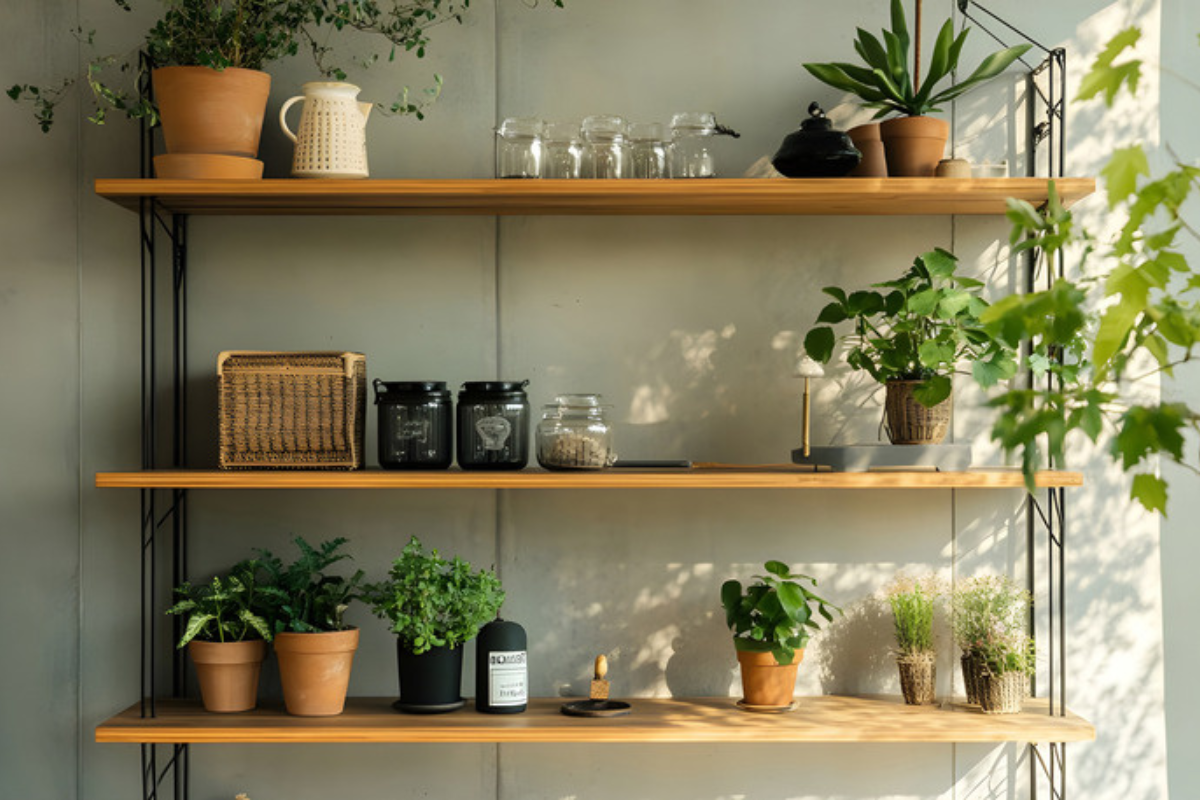
What makes dark academia work with living plants
Dark academia is maximalism with restraint. The palette runs deep: forest and olive greens, oxblood, walnut, aged gold, and near black. Textures matter more than color, so you want velvet, worn leather, raw wood, and old paper stacked and layered until the room feels collected rather than decorated. Plants belong in this world because foliage adds the one thing books and brass cannot, which is movement and life.
The trick is choosing plants that read as moody rather than cheerful. Skip the bright, variegated, sun-loving showstoppers and reach for darker leaves, trailing vines, and sculptural silhouettes. Many of these thrive in exactly the low, indirect light a dark academia room tends to have, which means the aesthetic and the growing conditions actually agree with each other for once. If you want to browse the moodier end of the catalog first, our rare plants collection is where the darkest and most collectible foliage lives.
Seven plants that build the look
Hoya 'Black Margin' is the moody hero. Its thick, waxy leaves deepen to a near black margin under brighter light, giving you that gothic, almost lacquered green the aesthetic is built on. Let it trail from a high shelf or a wall bracket so the dark leaves hang against pale plaster or a stack of spines. Start with the Hoya 'Black Margin' as your statement piece, since only a handful come through the greenhouse at a time.
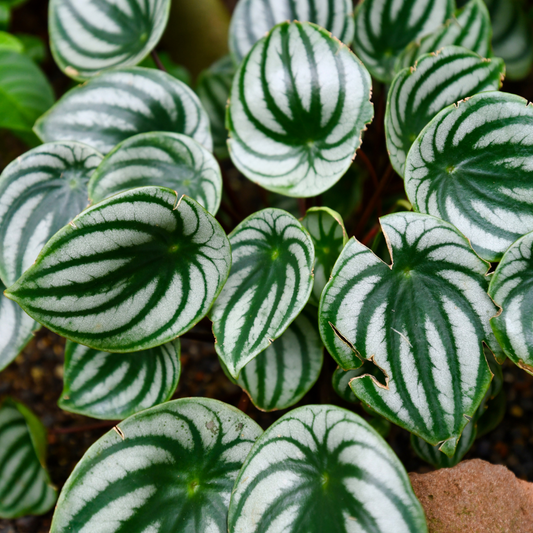
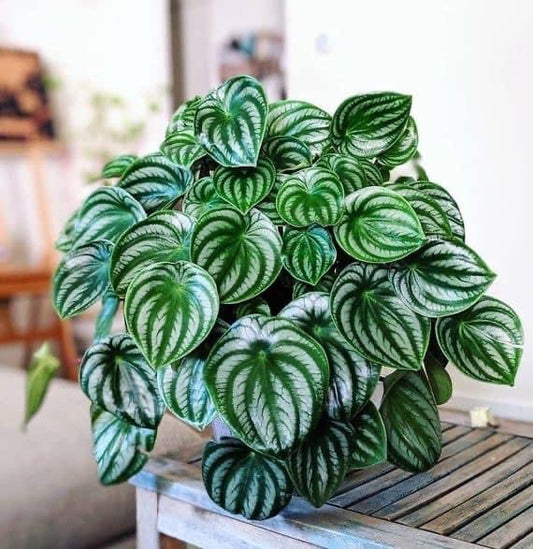
Calathea Roseopicta 'Medallion' brings the drama up close. Each leaf is painted in dark green and burgundy with a feathered center, and the undersides flush deep wine red. Set it on a side table beside a reading chair where the pattern can be studied like a page. The Calathea 'Medallion' prefers lower light and steady humidity, so a shadowed study suits it perfectly.
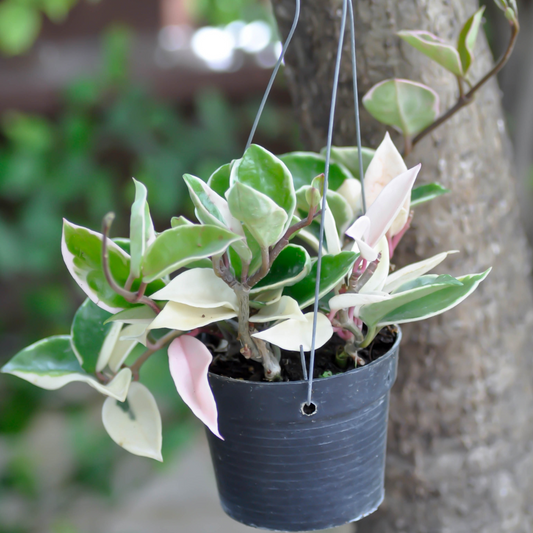
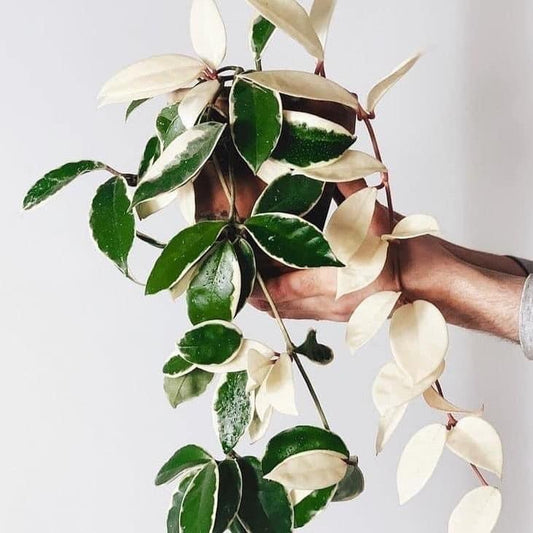
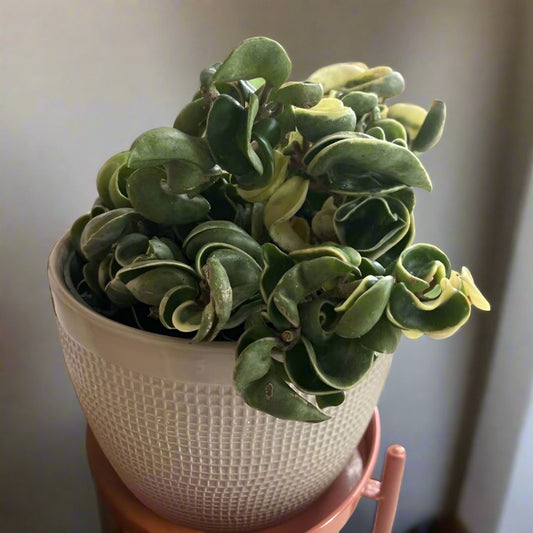
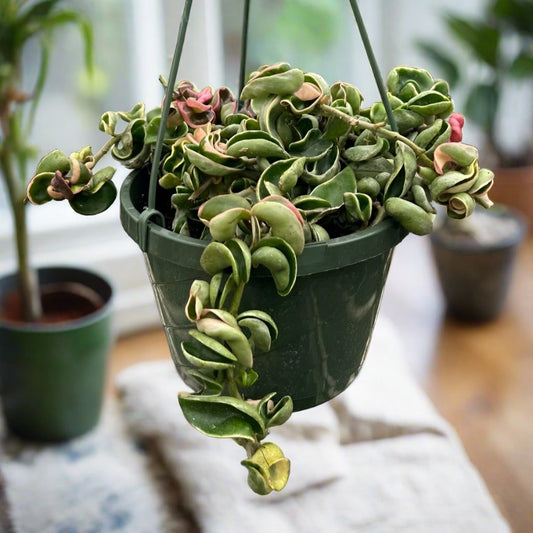
Hoya Carnosa is the classic vine for draping over bookshelves, busts, and picture frames. Its long, rope-like growth trails for feet, softening hard edges and giving the room that overgrown, been-here-forever feeling. The Hoya Carnosa is forgiving and slow to complain, which makes it a smart backbone plant for the look.
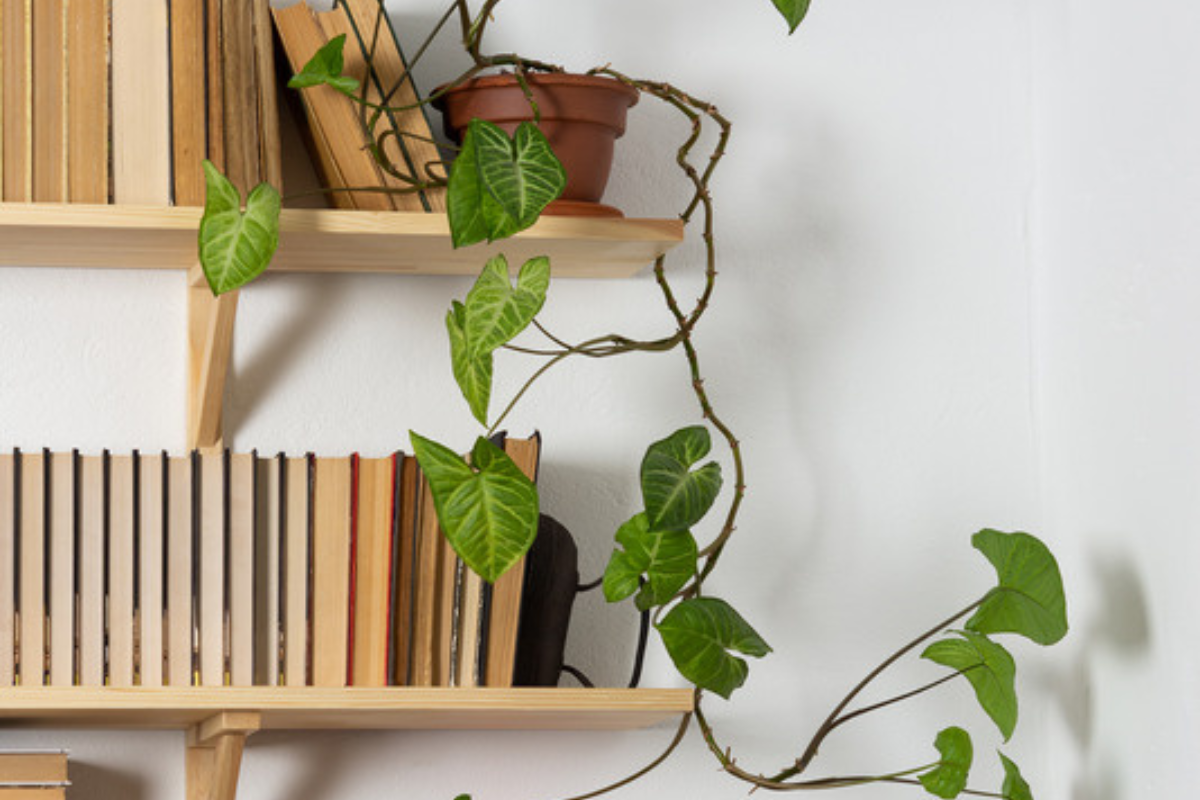
Philodendron Micans 'Velvet' is the texture piece. Its heart-shaped leaves have a soft, velvety finish that catches lamplight and shifts from deep green to bronze depending on the angle. Trail it down a bookcase or let it pool on a desk beside your lamp. The Micans grows fast in warm indirect light, so it fills a corner quickly.
String of Hearts is the ethereal, romantic note. Its slender strands of silver-marbled hearts can cascade several feet, perfect draped from a top shelf or a mantel so it curtains down over the books below. The String of Hearts wants brighter, indirect light near a window, and it rewards you with delicate movement no dried garland can match. If you fall for it, we wrote a whole love letter to the String of Hearts with care tips.
Staghorn Fern turns the wall into a curiosity cabinet. Mounted on a wooden board, its antler-shaped fronds read like a specimen from an old naturalist's study, sculptural and strange in the best way. Hang the Staghorn Fern among framed prints and it instantly earns its keep as living art.
Rabbit's Foot Fern and Bird's Nest Fern are the soft, wild filler that keeps the look from feeling staged. The furry, creeping rhizomes of the Rabbit's Foot Fern spill over a pot rim with a vintage-conservatory charm, while the glossy, rippled fronds of the Bird's Nest Fern add lush, layered greenery at eye level. Both love the humid, lower-light conditions of a bathroom or a dim library nook.
How to start your living dark academia corner
You do not need to buy everything at once. Start with one anchor and one trailer, then layer. Pick a single shelf or the top of a bookcase and build in threes: something upright and sculptural, something dark and patterned, and something that spills over the edge. Put the tallest or most dramatic plant at the back, tuck a patterned leaf mid-height, and let a vine fall from the top so the eye travels down.
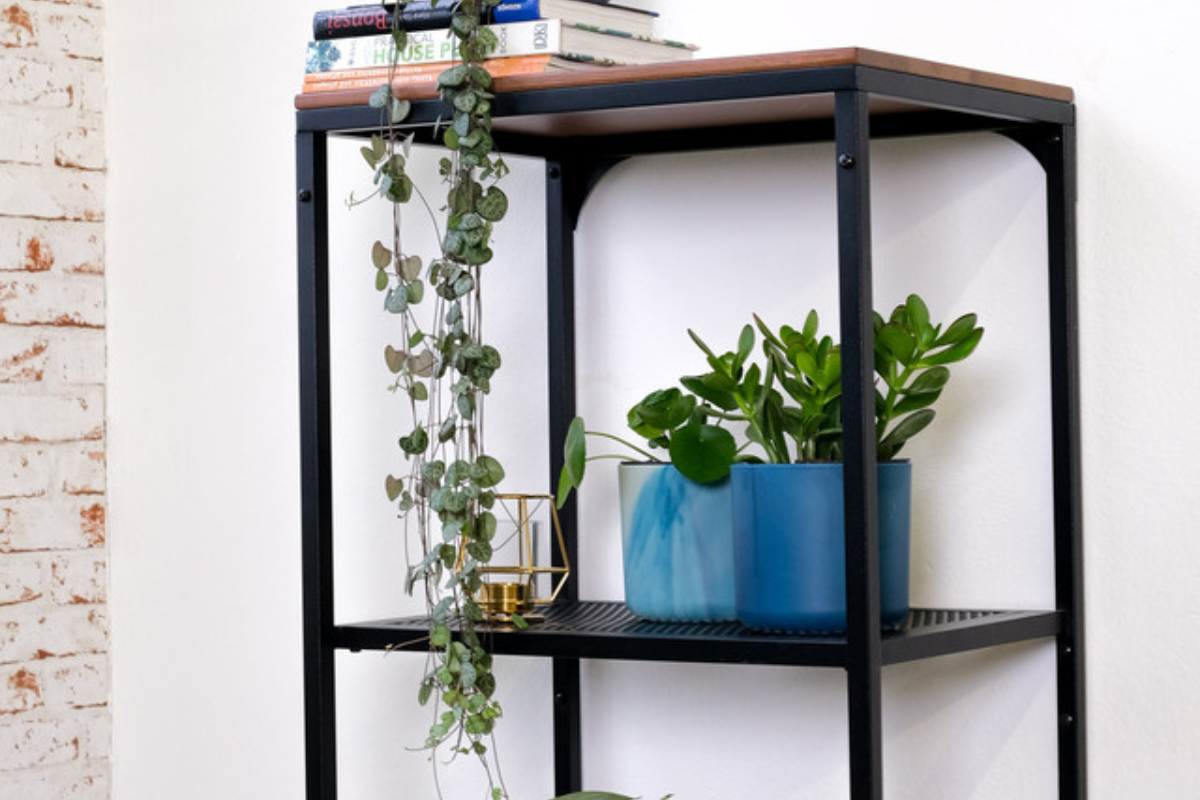
Lean into the props you already own. Stacked hardcovers double as plant risers, a brass candlestick or a thrifted bust adds height, and terracotta or matte black pots keep the palette grounded. Cluster the plants tightly rather than spacing them out, because dark academia is about abundance, not minimalism. Most of these picks are happiest in bright indirect to low light, so a north-facing room or a spot a few feet back from a window is ideal. For more on arranging plants into a collected, layered display, our guide to the art of indoor plant styling walks through the composition step by step.
Because the look thrives in shadow, you can shop by growing condition too. The low-light plants collection is full of moody options that will not sulk in a dim corner, and the trailing and hanging plants collection is your source for the vines that make the whole aesthetic feel overgrown and alive. Every plant ships greenhouse-direct with a heat pack when the weather calls for it, and it is all backed by our 30-Day Guarantee, so you can build the look with confidence even if you are new to darker, fussier foliage.
Ready to turn one shadowy corner into a living library? Browse the rare plants collection to find your moody hero, then fill in around it from our full range of live plants.
Frequently asked questions
Is a living dark academia setup expensive to start? Not if you build slowly. Begin with one anchor plant and one trailer, then add a piece at a time. Trailing hoyas and pothos-style vines give you the most visual impact per dollar because they grow long and fill space fast. Free shipping kicks in at $149+, so a starter cluster of three or four plants often ships free.
Do these plants need a lot of light? Most do not, which is what makes the aesthetic practical. Calatheas, ferns, and many hoyas are happy in bright indirect to low light, exactly the mood you want in a study or reading nook. String of Hearts is the one exception here, since it wants a brighter, indirect spot near a window to keep its strands full.
Are these picks safe for pets? Several are. Hoyas, calatheas, and the ferns on this list are all non-toxic to cats and dogs, and String of Hearts is considered pet-safe as well. Philodendron Micans is the exception, as it is toxic if chewed, so place it high on a shelf or leave it out of a curious pet's reach. When in doubt, mount trailing plants above jumping height.
What if I have killed plants before? Start with the toughest options first. Hoya Carnosa and the ferns are forgiving and slow to punish a missed watering, so they build your confidence before you graduate to the fussier collector pieces. If you want more moody, collectible ideas, our roundup of 10 rare indoor plants worth having is a good next stop.