
Your pothos is reaching for the window like it is trying to climb out. The new leaves come in smaller and paler, the stems get long gaps between leaves, and somebody online is telling you to buy a purple light rig that makes your living room look like a nightclub. Before you spend a cent, take a breath. Most plants do not need a grow light in winter. Some do. Here is how to tell which group yours is in, and what to try first.
Do houseplants need grow lights in winter?
Short answer: not usually, but winter is when the question gets real. Once the clocks change, days get shorter and the sun sits lower in the sky, so the light reaching your plants drops in both hours and strength. A spot that felt bright in July can be pretty dim by December.
The University of Nebraska-Lincoln Extension gives a handy way to picture it. Compared with a south-facing window, an east or west window gives roughly 60 percent of the light, and a north window only about 20 percent. Their guide also points out that a plant that is happy in an east window in summer may need a south one in winter. That is the whole winter light problem in one sentence.
So the real question is not "do I need a grow light?" It is "is my plant getting enough light where it sits right now?" If you want to measure that without any gadgets, our post on what less light does to your plants after the clocks fall back walks through a simple shadow test.
Why your plant is struggling (most common cause first)
When a plant looks tired in winter, we have found the causes usually line up in this order:
- It is too far from the window. Light falls off fast as you move into a room. A plant a few steps back from the glass can be getting a small fraction of what the windowsill gets, even if the room looks bright to you.
- The window itself is blocking light. Dusty glass, screens, sheer curtains and outdoor overhangs all cut light, and that matters more when there is less to start with.
- The plant does not match the spot. A light-hungry plant in a north window will sulk no matter what you do. A tough, low-light plant in the same spot may barely notice the season changed.
- It is being watered like it is still summer. Less light means slower growth, and slower growth means the soil stays wet longer. Yellowing lower leaves in winter are often a watering issue wearing a light-problem costume. Our winter watering cheat sheet covers that side.
The classic signs of too little light are stretching toward the window, long bare gaps between leaves, smaller new leaves, and variegated plants losing some of their pattern. A slow-down in growth on its own is normal for winter and not a reason to panic.
Not sure which plants suit your light?
If your brightest window faces north or your desk sits across the room from the glass, our 1 minute quiz matches plants to the light, space and pets you actually have. Take the plant quiz.
What to do: the four-step light ladder
Here is the order we work through. Each step is cheaper and easier than the one after it, so do not skip ahead.
- Do the free fixes. Wipe the window glass inside and out if you can, and dust the leaves with a damp cloth so they can use the light they get. Open the curtains fully during the day. Give the pot a quarter turn every week or two so the plant does not lean in one direction.
- Move the plant closer. This is the single biggest change most people can make. Shift plants as close to the brightest window as you can without leaves touching cold glass. If you have a south window, winter is the season to use it. Trim any very leggy stems back so the plant can fill in from fuller growth once light returns.
- Add a lamp. If a plant still looks stretched after a couple of weeks in the best spot you have, it is time for extra light. You do not need a special purple fixture. For most foliage plants, an ordinary full-spectrum white LED bulb in a desk or floor lamp aimed at the plant works well. Skip old-style incandescent bulbs; Nebraska Extension notes they run hot and waste energy.
- Put it on a timer. A cheap plug-in timer makes a lamp consistent, and consistency is what plants respond to. The New York Botanical Garden suggests 12 to 14 hours of light a day when a plant also gets some natural light, and 16 or more when it gets very little. Every plant still needs a dark period, so do not run lights around the clock.

On cost, an LED bulb uses far less power than the incandescent bulbs of the past, so one or two lamps on a timer is a modest addition to most electric bills. Check the wattage printed on the bulb if you want to work out your own number.
Which plants benefit most, and which do not care
Some plants shrug off a dim winter. If your space is low on light, these are the ones that make life easy:
- Snake Plant Laurentii and the rest of our snake plants tolerate low light and want very little water in winter. Toxic to cats and dogs if chewed.
- ZZ plant stores water in its thick stems and keeps its glossy look in dim corners. Also toxic to pets if eaten.
- Pothos N'Joy is compact, forgiving and happy in medium light, though its white variegation stays crisper with a little more brightness. Pothos is toxic to cats and dogs.
Our full low light plants collection has more options that cope with a north window.
Other plants are the ones most likely to thank you for a lamp in winter, especially anything with bold color or pattern:
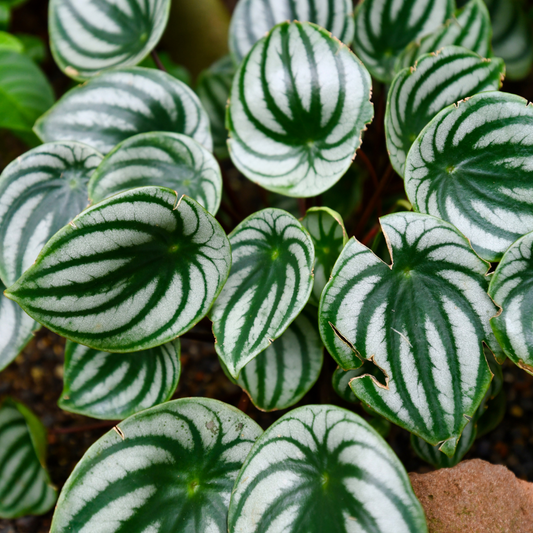
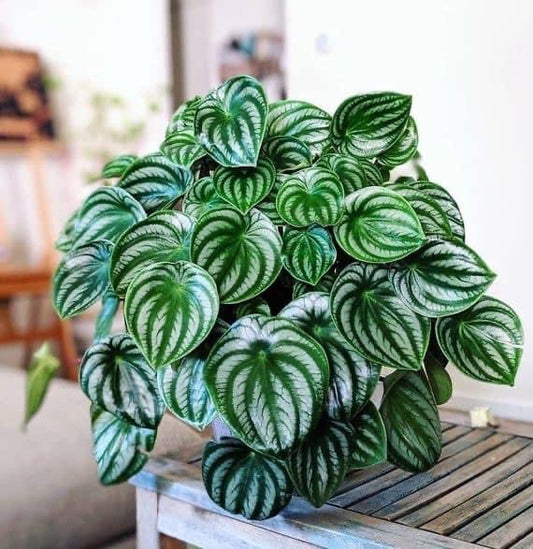
- Peperomia Watermelon keeps its silver stripes sharpest in bright, indirect light. Pet friendly.
- Maranta Red Prayer holds its red veining and lively leaf movement best with steady light. Pet friendly.
- Money Tree likes bright light and will drop leaves if it sits in deep shade for months. Pet friendly.
Earn Leaves while you plant-proof your winter
Picking up a low-light plant or two this season? Join our rewards program and you earn Leaves points toward rewards every time you shop. See how Leaves rewards work.
Pro tip: when to worry, and when not to
A plant that holds its color but simply stops growing is resting, not failing. That is normal for winter and needs no fix. Keep an eye out for these instead:
- New leaves coming in noticeably smaller than old ones, week after week.
- Stems stretching so much the plant flops over.
- Several lower leaves yellowing at once while the soil is still damp. Check your watering before blaming the light.
- Bleached or crispy patches on leaves right under a lamp. That means the light is too close, so raise it a little.
If you see two or more of these, work back up the ladder. Usually moving the plant closer or adding a few hours of lamp light is enough. If you want ideas for making a lower-light room look lush on purpose, our post on moody plants for the dark months has plenty.

Plants that give back
We partner with One Tree Planted, so the love you put into your indoor jungle also helps plant trees outdoors. Learn about our tree planting partnership.
Find a plant that fits your light
The easiest grow light is the one you never have to buy, so start by matching the plant to the spot. If your home runs dim this time of year, browse our low light plants or the beginner-friendly easy care collection, or take the plant quiz for a shortlist made for your windows. Our 30-day guarantee, which runs from delivery and is spelled out in our refund policy, is there if a new plant arrives in trouble. Or Browse All Plants.
Frequently asked questions
How many hours a day should a grow light be on?
The New York Botanical Garden suggests 12 to 14 hours a day when a plant also gets some natural light, and 16 or more hours when it gets very little. A timer makes this easy to keep consistent.
Can I use a regular LED bulb as a grow light?
For most foliage houseplants, yes. A full-spectrum white LED bulb in an ordinary lamp, placed close to the plant, gives useful extra light. Specialty fixtures matter more for seedlings and flowering or fruiting plants.
Can I leave a grow light on all night?
No. Plants need a daily dark period, so running a light 24 hours a day does more harm than good. Set a timer so the light turns off at night.
How close should a grow light be to my plant?
It depends on the bulb, so follow the maker's instructions and watch the leaves. Nebraska Extension's guidance of 3 to 6 inches is for seedlings. For mature plants, if leaves bleach or crisp, move the light farther away; if the plant keeps stretching, bring it closer.