You followed the instructions. You put your new plant "somewhere bright." Three weeks later it's leaning so hard toward the window it looks like it's trying to escape — or worse, the leaves are yellowing and you can't figure out if you overwatered it or just picked the wrong spot.
Here's the thing most plant care guides skip: "bright indirect light" means nothing without knowing which room you're standing in. This guide breaks it down room by room so you can stop guessing and start placing plants where they'll actually thrive.
What "Bright Indirect," "Medium," and "Low Light" Actually Mean
Plant labels use four light descriptors — and they matter more than most people realize.
Direct light means sunlight falls directly on the leaves. Best for succulents, cacti, and some herbs. Most tropical houseplants will scorch here in summer.
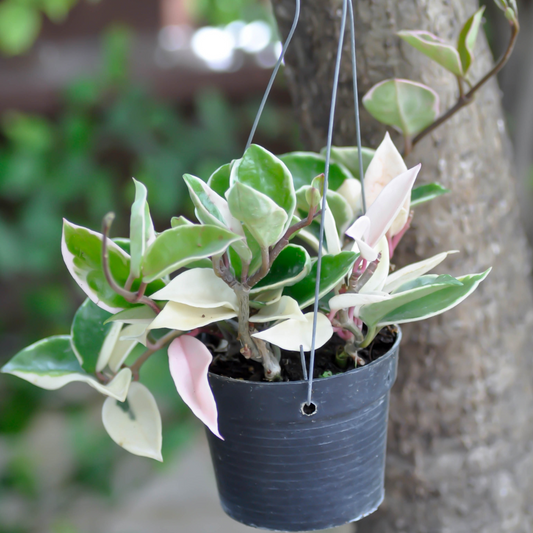
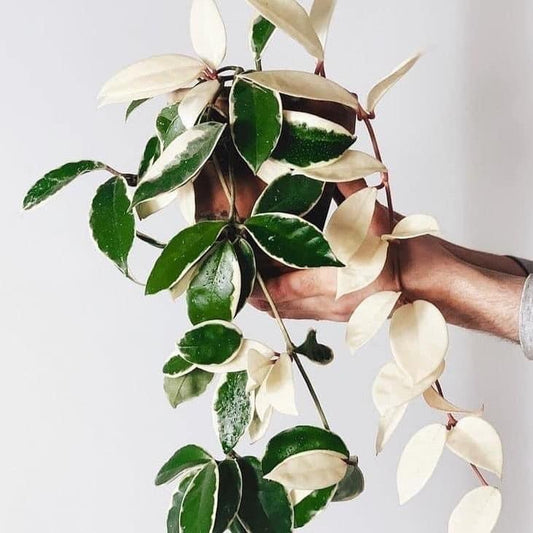
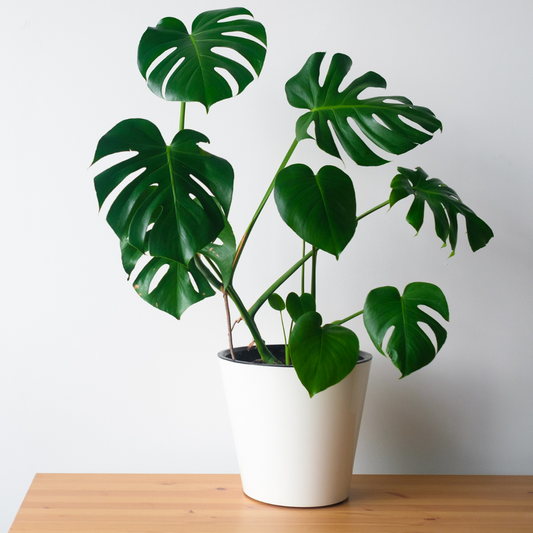
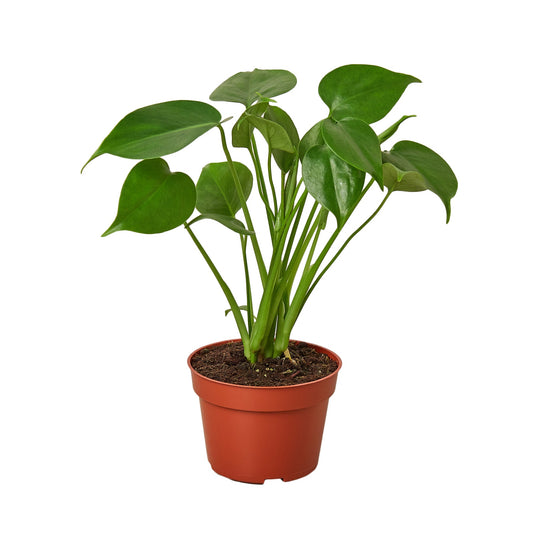
Bright indirect light means the plant is near a sunny window but not in the direct beam. This is the sweet spot for most popular houseplants — Monsteras, Hoyas, and Peperomias all thrive here.
Medium light means a few feet back from a bright window, or near a north-facing window. Adequate for adaptable plants but not ideal for fast growth. Pothos N'Joy handles this well.
Low light means near a north-facing window or 8 to 10 feet or more from any window. Very few plants love this — most merely tolerate it. The list is short: Snake Plants, ZZ Plants, and cast iron plants make the cut.
The Drop-Off Rule — Why Your Plant Is Probably Further From the Light Than You Think
Here's the rule most care guides bury in footnotes: light intensity roughly halves with every three feet of distance from a window. A plant on your windowsill might receive 2,000 foot-candles of light. That same plant pulled back to a coffee table five feet away is now receiving fewer than 500.
Seasonal variation makes this worse. In winter, even south-facing windows in northern states drop to medium-light levels as the sun angle lowers. Summer south and west windows bring intense afternoon light that can scorch tropical leaves. Light is not static — your plant placement shouldn't be either.
The biggest misconception we hear: "This plant is low-light tolerant, so I put it in a dark corner." Low-light tolerant means the plant survives low light. It does not mean it prefers it. Even the most shade-hardy plant needs to see some sky. A windowless interior room or a bathroom with no exterior window will slowly weaken any plant. Give your low-light plants the best dim spot in your home — not the worst.

A Room-by-Room Light Guide
Here's how to read the light in each room of your home — and which plants belong where.
South-Facing Living Room or Sunroom
Light level: Bright indirect to direct
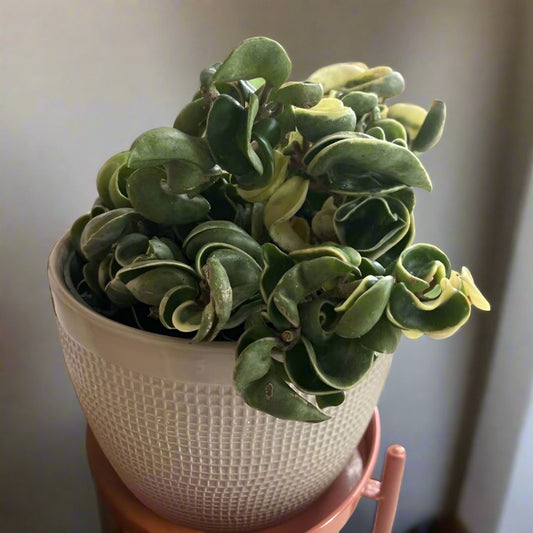
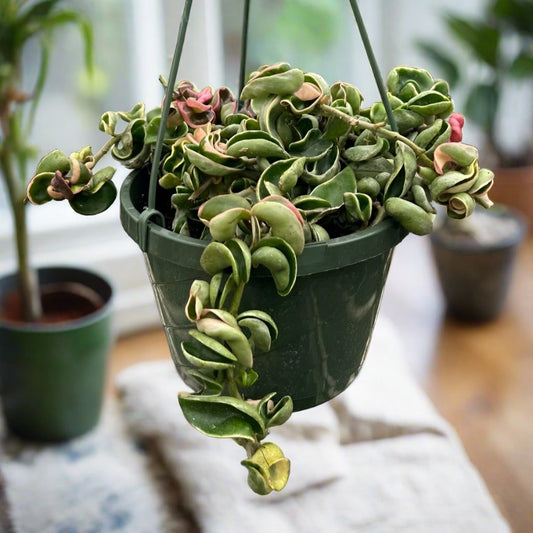
A south-facing window is the gold standard for indoor plants in the Northern Hemisphere. Plants placed one to four feet back from the glass get the bright indirect conditions that drive fast, healthy growth. This is the room for your showpiece plants: Monstera Deliciosa, Hoya Krimson Queen, and most Philodendrons. In July and August, hang a sheer curtain during the hottest midday hours to prevent leaf scorch on thinner-leafed tropicals.
East-Facing Bedroom
Light level: Medium-bright indirect (gentle morning light)
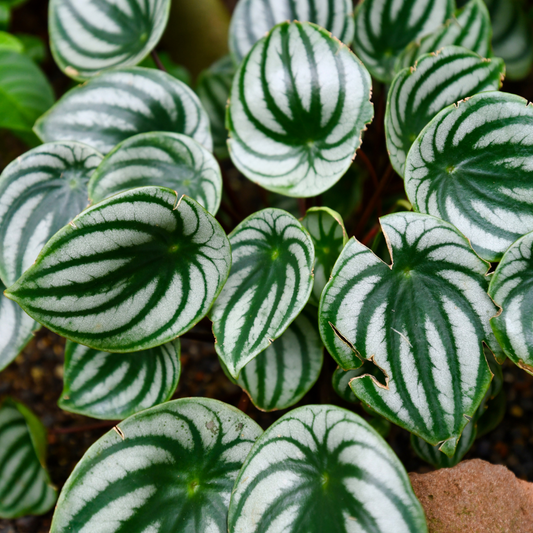
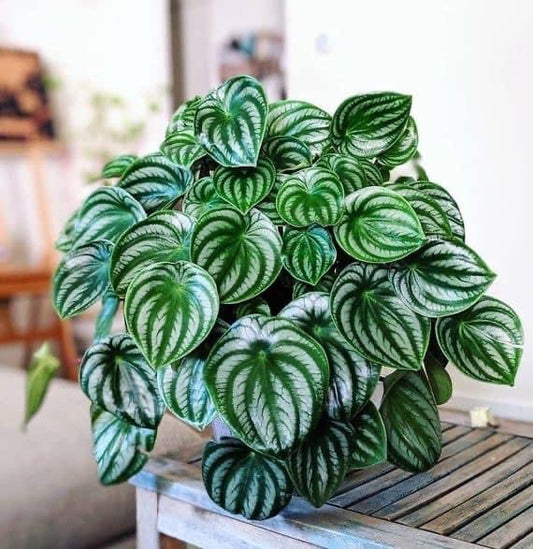
East windows receive soft, cooler morning sun and indirect light for the rest of the day. This is one of the most forgiving rooms for plants — bright enough for most tropicals, gentle enough that you won't scorch sensitive leaves. It's an ideal spot for Pothos N'Joy, Watermelon Peperomia, and Maranta Red Prayer Plant. If you've been struggling with yellow leaves, moving a plant to an east-facing window often resolves the issue.
West-Facing Home Office
Light level: Medium-bright to bright (warm afternoon sun)
West windows share many of the same qualities as east windows but are warmer and more intense through the afternoon. This setup works beautifully for trailing plants that fill a desk corner: Pothos Silver Splash does especially well here, draping its silvery leaves toward the light source. Keep plants two to four feet back to avoid afternoon heat stress in peak summer.
North-Facing Bedroom or Apartment
Light level: Low to medium indirect
North-facing rooms are the daily reality for millions of apartment dwellers. The light is consistent and cool but genuinely dim. Your best options here are the true low-light champions: Snake Plants, Pothos, and Maranta placed close to the window. Avoid high-light plants entirely — they'll survive for weeks, then slowly stretch, pale, and decline. A small grow light positioned 12 to 18 inches above the plant can transform a north-facing shelf into a genuinely productive growing space.
Bathroom With a Window
Light level: Depends on window direction
A windowed bathroom isn't automatically plant-friendly — light level still follows the same window-direction rules above. But the added humidity from showers is a real bonus for moisture-loving species. Maranta Red Prayer and Calatheas respond beautifully to bathroom steam. Ferns and most aroids appreciate it too.
Bathroom Without a Window
Light level: Artificially lit only
No natural light means no permanent plant placement. Overhead bathroom lighting is not a substitute for sunlight — the spectrum, intensity, and duration are all wrong for plant growth. You can rotate plants through a windowless bathroom for a few days at a time, but it should not be their permanent home. The exception: a dedicated grow light on a 12-hour timer can sustain most low-light species indefinitely.
Kitchen Near a Sink Window
Light level: Often surprisingly bright
South or west kitchen windows above a counter can be among the best spots in your home. The consistent closeness to the window, combined with warmth and humidity near cooking steam, makes kitchens a hidden gem for Pothos and trailing plants. Just watch for direct afternoon sun on south-facing windows in summer — a sheer curtain handles it.
Hallways and Interior Rooms
Light level: Too low for most plants without support
Dark entry hallways are one of the most common places people try to keep plants — and one of the most common places plants slowly fail. If you love the look of greenery in your entry, try a rotation strategy: keep two or three plants cycling between a bright room and the hallway, swapping every two weeks. A stylish grow-light floor lamp is another option that doubles as functional decor.

Signs Your Plant Isn't Getting Enough Light
Plants communicate light stress in predictable ways. Watch for these signals:
- Leaning or stretching toward the window — stems elongate and the plant bends toward the light source. This is etiolation, and it means move the plant closer.
- Pale, washed-out, or yellowing leaves — especially on older lower leaves. Light starvation is one of the most common causes of yellow houseplant leaves, often misread as overwatering.
- No new growth during the growing season — if your plant hasn't put out a single new leaf in two months between spring and summer, check the light before blaming soil or water.
- Leggy, weak stems — thin, elongated growth that can't support its own weight is a classic sign of insufficient light, not a watering or fertilizing problem.
When you move a plant to a brighter spot, give it two to four weeks before evaluating the result. Adjustment takes time, and some plants temporarily drop a leaf during the transition.
Should You Add a Grow Light?
If your home has limited natural light, grow lights work better than most people expect. A full-spectrum LED positioned 12 to 18 inches above your plant on a 12 to 16 hour daily timer can turn a dim corner into a genuinely productive growing space. They're effective for supplementing north-facing rooms, windowless areas, and dark winter months when natural light drops significantly. They're also worth considering for recently repotted plants that need stable, consistent conditions while their roots establish.

Every plant from plantswagshop.com ships with care notes specific to its light needs, and our 30-Day Guarantee means you can experiment with placement without any risk. Not sure which plants fit your home's light? The Low Light Plant Collection is a great place to start — or browse the full live plant catalog and filter by light requirement.
Frequently Asked Questions
How do I know if my plant is getting enough light?
A plant in adequate light produces new leaves regularly during the growing season, maintains its leaf color, and grows in its natural form. A plant that leans hard toward the window, produces pale or yellowing leaves, or shows no new growth for months during spring and summer is likely light-deprived. The fix is almost always moving the plant closer to the nearest window.
Can plants survive in a north-facing room?
Yes — some can do well there. Snake Plants, ZZ Plants, Pothos, and Maranta are genuinely low-light tolerant and can survive and even grow in north-facing rooms, especially when placed close to the window. What they cannot do is survive in a north-facing room where they are also pulled back six to eight feet from the glass. Proximity to the window matters as much as window direction.
What is the difference between bright indirect and medium light?
Bright indirect light is typically found within two to three feet of a south or west-facing window, where the plant receives strong ambient light plus reflected sunlight. Medium light is found four to six feet back from a bright window, or near a north or east window without direct sun. Most fast-growing tropical houseplants need bright indirect. Medium light suits slower-growing or more shade-adapted species.
Can too much light hurt my houseplants?
Yes. Direct midday sun through a south-facing window in summer can scorch leaves, especially on thin-leafed plants like Calatheas, Marantas, and ferns. Signs of too much direct light include crispy brown patches on leaves, bleached or faded leaf color, and soil that dries out within a day or two of watering. A sheer curtain or moving the plant back two to three feet usually resolves it.