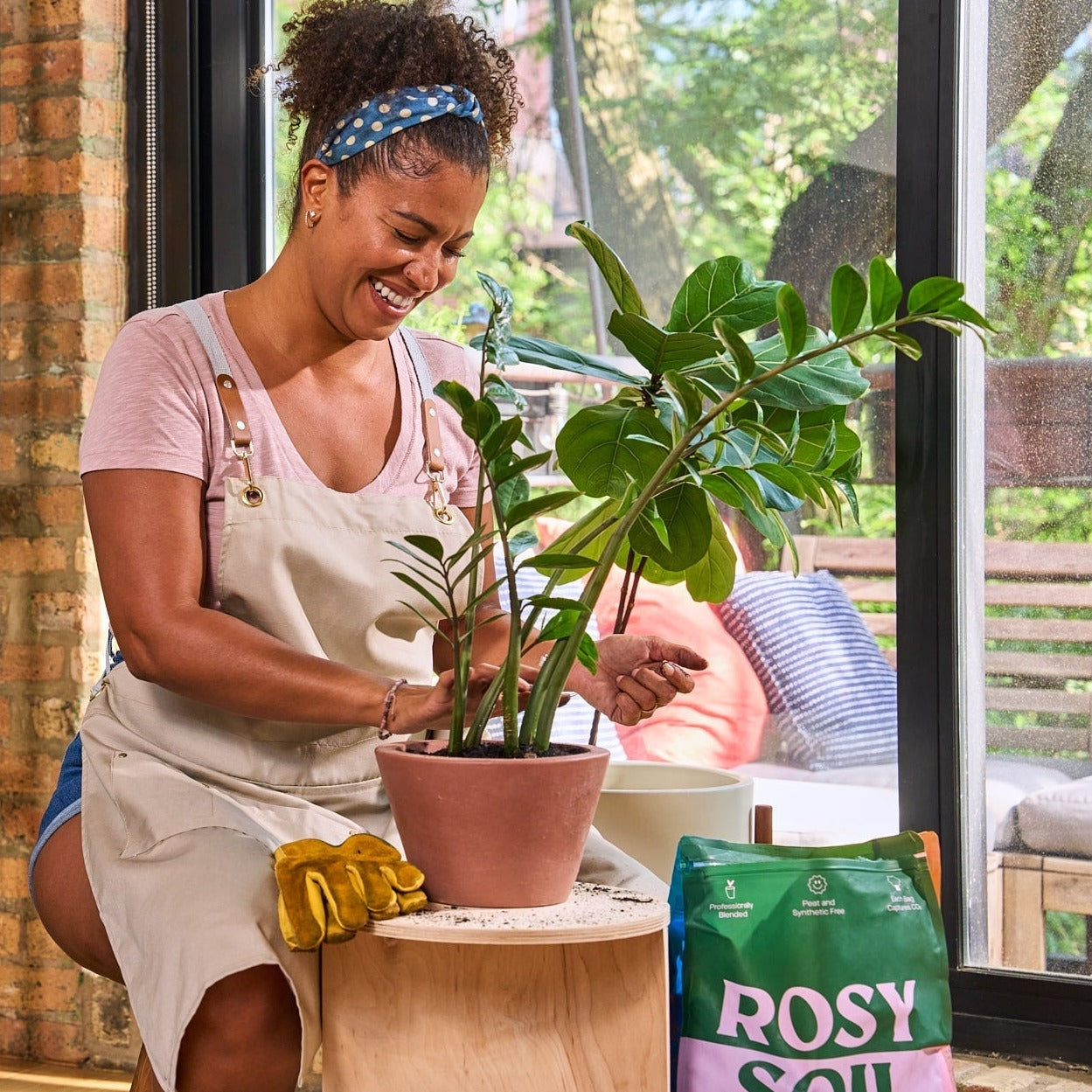
There is a particular kind of magic in a well styled shelf. Warm afternoon light catching a trailing vine, a cluster of terracotta pots in different heights, one glossy leaf reaching toward the window while a softer, patterned one fills the space below. It looks effortless, like it simply grew that way. It did not. Behind almost every shelf you have saved on Pinterest is a quiet little formula, and once you know it, you can recreate the look on any shelf in your home this weekend.
This is your guide to the plant shelfie: the internet's name for a shelf styled with plants as the centerpiece. No design degree required. Just a few good plants, a handful of simple rules, and a little patience while everything settles in.
What Makes a Shelfie Work in 2026
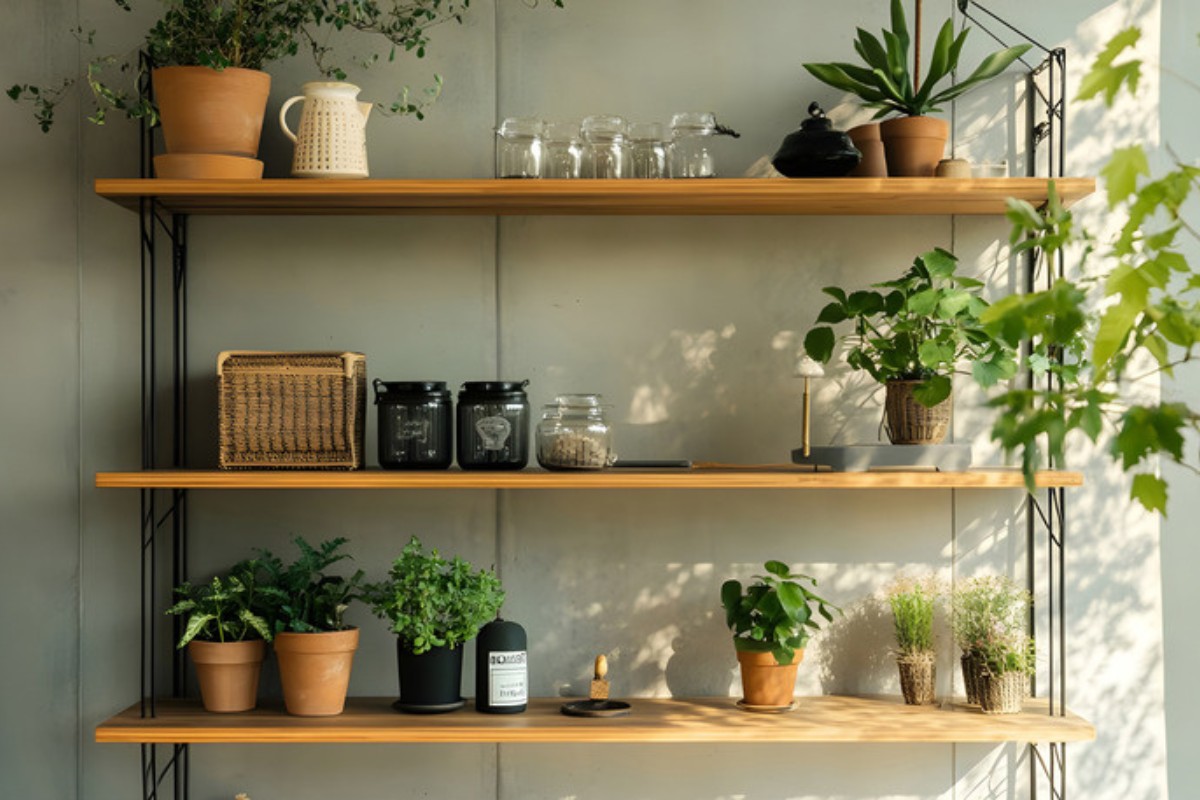
The big shift this year is away from cluttered, wall to wall jungle and toward something calmer and more intentional. Fewer plants, chosen well, with room to breathe. The shelves that feel current right now share a few traits: natural materials like terracotta, stone, wood and woven fiber sitting alongside the greenery, real variety in leaf texture so the eye has something to land on, and trailing vines used to soften the hard horizontal edges of the shelf.
If your shelf feels off and you cannot say why, it is almost always one of three things: everything is the same height, everything is the same shade of plain green, or the shelf is simply too full. The rest of this guide fixes all three. For a broader look at styling beyond shelves, our guide to the art of indoor plant styling is a great companion read.
The Three Position Formula
The fastest way to make a shelf look composed instead of random is to give every plant a job based on where it sits. Think of your shelf in three zones.
The top, or anything at eye level and above, wants something with height or movement. A tall, structural plant or a trailer whose vines can spill down over the edge. This is where you create drama and draw the eye up.
The middle wants your compact, eye catching pieces. These are the plants people lean in to look at. Bold patterns, unusual colors, interesting leaf shapes. They reward a closer look.
The bottom, and lower shelves, want grounding. Slightly fuller or trailing plants that anchor the whole arrangement and keep the lowest shelf from looking like an afterthought.
The One Third Rule
Here is the single tip that separates a styled shelf from a crowded one. Aim for roughly one third plants, one third decor objects like books, ceramics or a small lamp, and one third open, empty space. That negative space is not wasted. It is what lets each plant actually be seen. When in doubt, take one thing off the shelf. It will almost always look better.
Seven Plants That Nail the Shelfie Look
You do not need a huge collection. You need the right mix of shapes. These seven cover every position on the shelf, and all of them are beginner friendly enough to keep alive while you fall in love with the look.
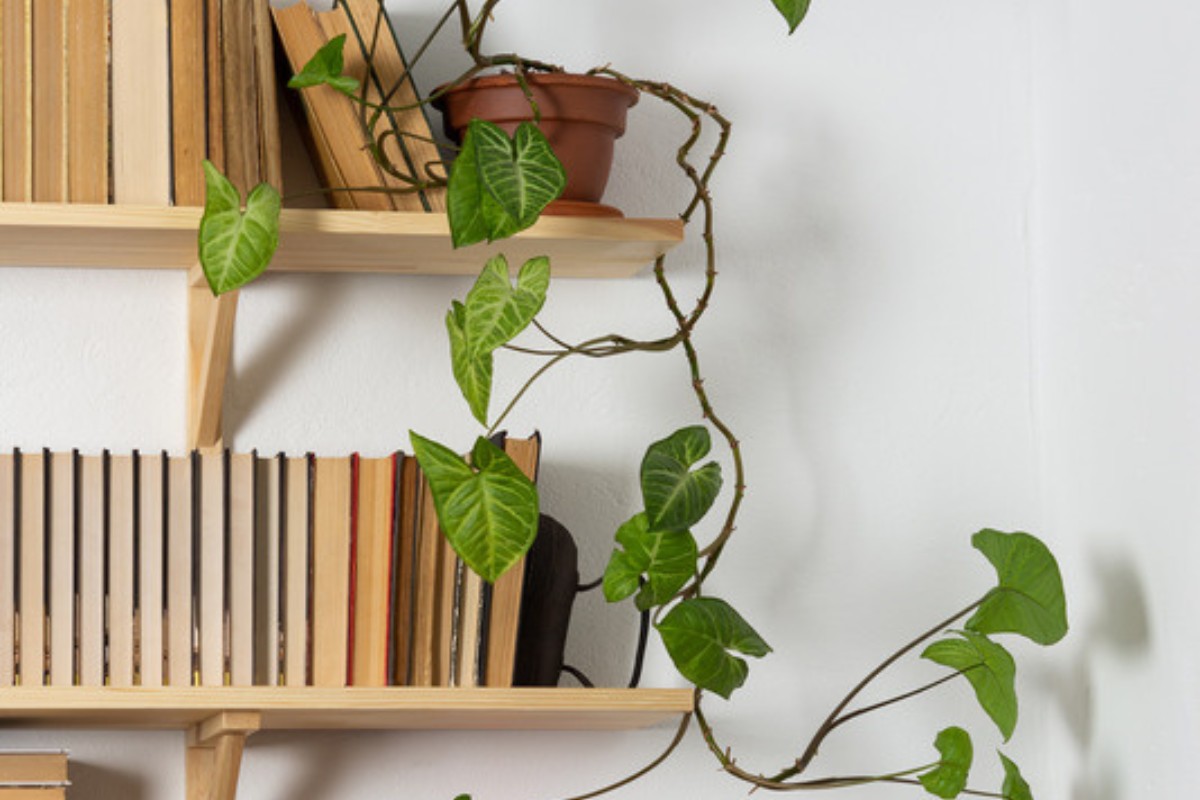
Pothos N'Joy is the trailer to start with. Its small, crisp, variegated leaves cascade beautifully off a top shelf or a high corner, it grows quickly enough to feel rewarding, and it is famously hard to kill. Put it up high and let it spill.
Pothos Silver Splash brings that same easy trailing habit with a shimmer of silver across each leaf that catches the light. It reads as a statement piece without any extra effort. Lovely at the edge of a middle or top shelf.
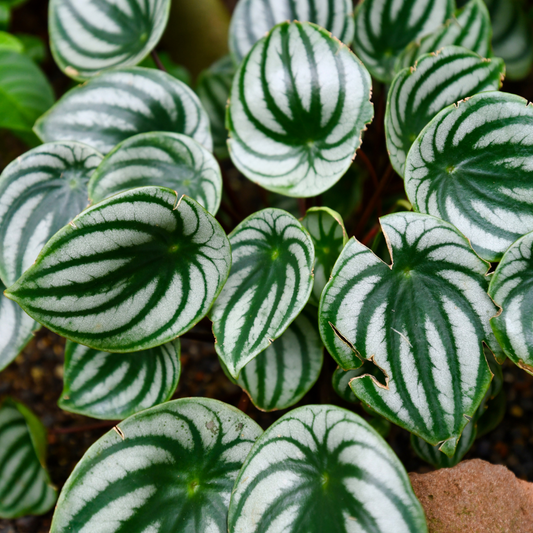
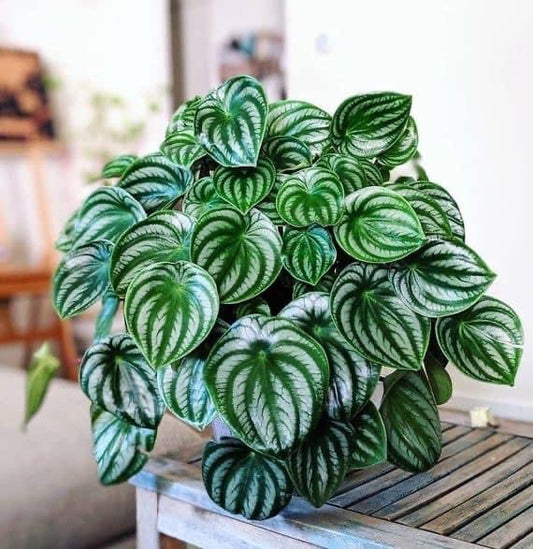
Peperomia Watermelon is your perfect mid shelf moment. Its round leaves are striped like a watermelon rind, the plant stays compact and tidy, and the pattern gives the eye exactly the detail a middle zone needs.
Maranta Red Prayer earns its spot with drama. Deep green leaves veined in bold red that literally fold up at night and open with the morning light. It stays small enough for a tight shelf and adds movement most plants cannot.
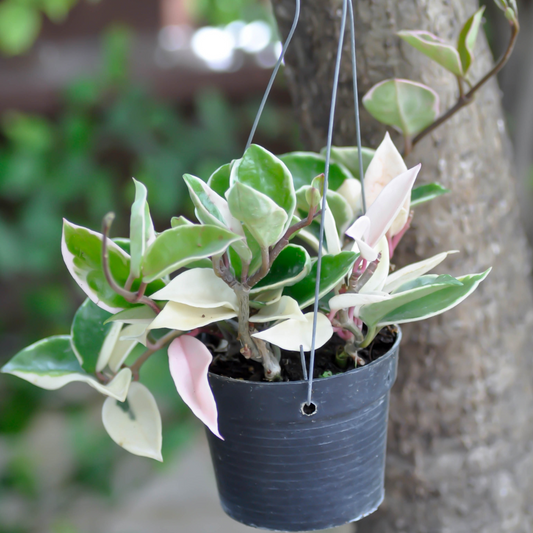
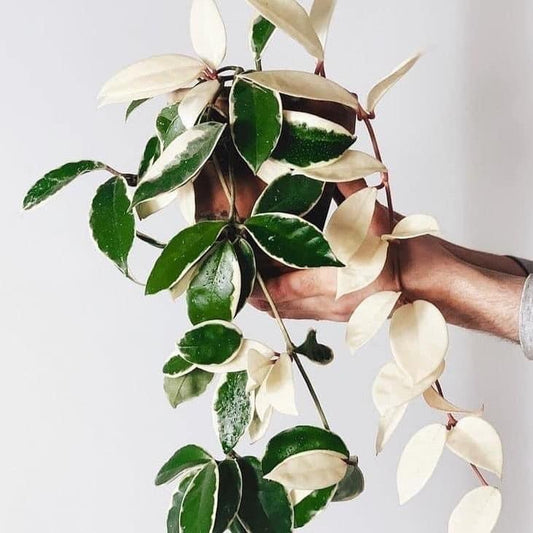
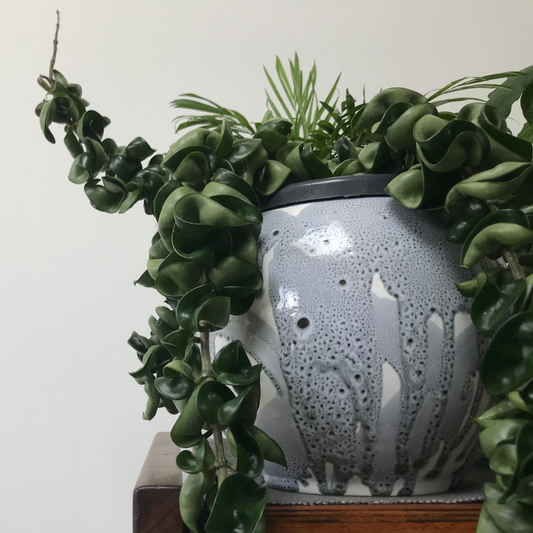
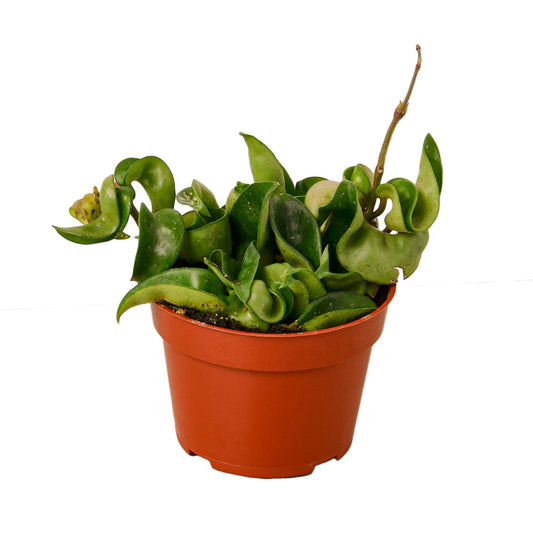
Hoya Carnosa Krimson Queen is the slow, waxy, pink and cream variegated beauty that makes a shelf look curated and collected. It is low fuss and looks premium even when small. A quiet showstopper for the middle.
Money Tree Pachira Braid is your height and structure. The braided trunk gives vertical architecture that grounds the taller end of a shelf and balances all the softer, trailing shapes around it.
Philodendron Pink Princess is the collector's statement piece, with dark leaves splashed in pink that no other plant on the shelf can match. If you want one plant everyone asks about, this is it. Give it a spot where the light can show off the color.
Match the Plant to Your Shelf Type
The shelf itself changes what works. A little matchmaking goes a long way.
Floating shelves have clean lines and no visible supports, so they love trailers. Let a pothos or hoya drape over the front edge to break that crisp horizontal line and add softness. Browse our full trailing and hanging plants for more options that cascade well.
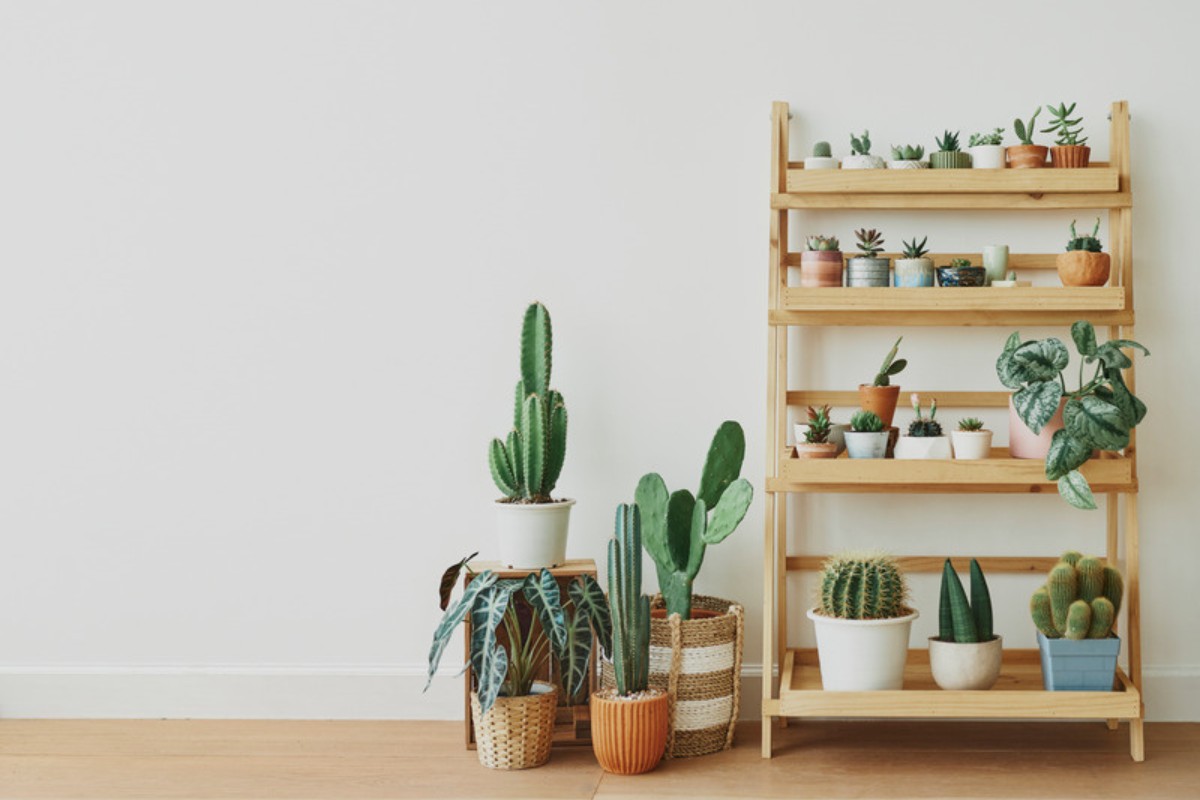
Ladder shelves lean back and step outward as they descend, which makes them ideal for showing off a collection of smaller plants at staggered heights. Cluster compact peperomias, marantas and small succulents across the tiers and let the structure do the height work for you.
Bookcases give you the most to play with. Tuck plants between stacks of books, let a vine trail down past a few spines, and use the closed verticality to frame a single statement plant. This is where the one third rule matters most, since the temptation to fill every gap is strong.
How to Start This Weekend
You do not have to build the whole thing at once. Start with three plants in three heights: one trailer up top, one patterned plant for the middle, one grounding piece below. Add a couple of decor objects you already own, leave some breathing room, and live with it for a few days. Move things around. Shelves are meant to evolve.
If your new plants arrive in nursery pots and you want to size them up into something prettier, our step by step repotting guide walks you through it without the guesswork.
When you are ready to build your shelfie, every plant above ships greenhouse direct, packed to arrive healthy, and backed by our 30-Day Guarantee, so you can style with confidence. You can browse our best selling plants to find your starting three, or explore the full range of trailing plants if you want to lead with movement.
Frequently Asked Questions
How much does it cost to start a plant shelfie?
Less than you might think. A solid three plant starter set in small pot sizes is very affordable, and you can build from there over time. The look comes from variety in shape and good styling, not from spending a lot or owning dozens of plants.
Are these plants hard to care for?
No. The seven plants above were chosen to be forgiving as well as beautiful. Pothos, peperomia, maranta and money tree are all considered beginner friendly, and the hoya and philodendron are low fuss once you find them a bright spot. Most prefer bright, indirect light and watering only when the top inch of soil is dry.
Which of these are safe for pets?
Peperomia Watermelon, Maranta Red Prayer, Hoya Carnosa and Money Tree are all considered pet friendly. Pothos and Philodendron Pink Princess are toxic if chewed, so if you share your home with curious cats or dogs, keep those two on a high shelf well out of reach.