Most beginners assume killing plants means they don't have a green thumb. The truth? A dead plant almost never comes down to skill. It comes down to the match. Put a sun-loving succulent in a dim hallway, or a moisture-loving fern in a dry apartment, and it's going to struggle. That's not bad plant parenting. That's a mismatch between plant and environment.
Choosing the right plant for your home is really about four things: how much light your space gets, how much time you want to spend on care, whether you have pets, and how much room you're working with. Answer those questions honestly and you'll end up with a plant that thrives. Here's exactly how to work through it.
The Green Thumb Myth (And What Actually Determines Success)
A green thumb isn't a genetic gift. It's pattern recognition. Experienced plant parents have learned to read their spaces and match them to the right species. That knowledge is completely learnable, and it starts with being honest about your conditions rather than optimistic about them.
Most plant failures happen because people choose plants based on what looks beautiful at a nursery or what's trending online, without asking whether that plant is suited to their actual home. A plant that thrives in a sun-drenched greenhouse can look completely different six weeks into a north-facing apartment. The plant isn't failing. It was set up to fail from the start.
The better approach is to start with your space and work backward to the plant, not the other way around.
Four Questions That Lead You to the Right Plant
Question 1: How Much Light Does Your Space Actually Get?
Light is the single most important factor in plant selection, and most people significantly overestimate how much their home receives. A room that feels bright and comfortable to you may receive far less usable light than most plants need to grow well.
Here's a quick test: stand in the room at midday and hold your hand about a foot above a white piece of paper. A sharp, defined shadow means bright light. A soft, blurry shadow means medium light. No visible shadow at all means low light. That reading tells you more than any compass direction or window description ever will.
If you're working with low-light conditions, there's genuinely good news. Many of the easiest and most beautiful houseplants thrive in exactly those conditions. Pothos, snake plants, ZZ plants, and bird's nest ferns are all well-suited to low-light environments. The low-light plant collection has plenty of options that genuinely prefer minimal sun. And if you want to go deeper on understanding light in your home, we broke it down room by room in our guide on how much light your plants actually need.
Question 2: How Much Time Do You Actually Want to Spend?
This one requires honesty. "I'll water it when it needs it" sounds reasonable but plays out very differently depending on the plant. Some plants want consistent, attentive care. Others actively prefer to be left alone between thorough waterings.
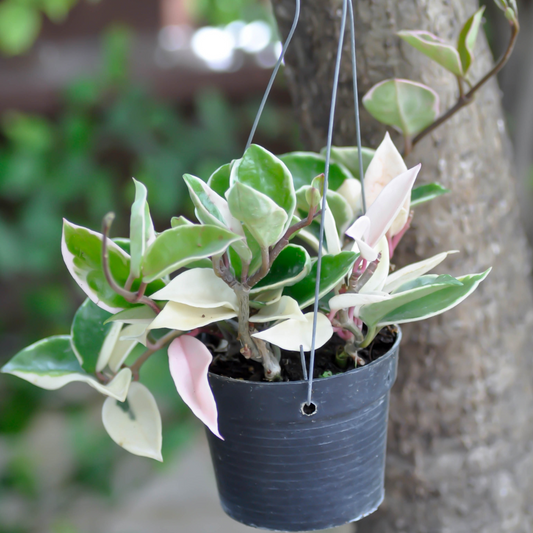
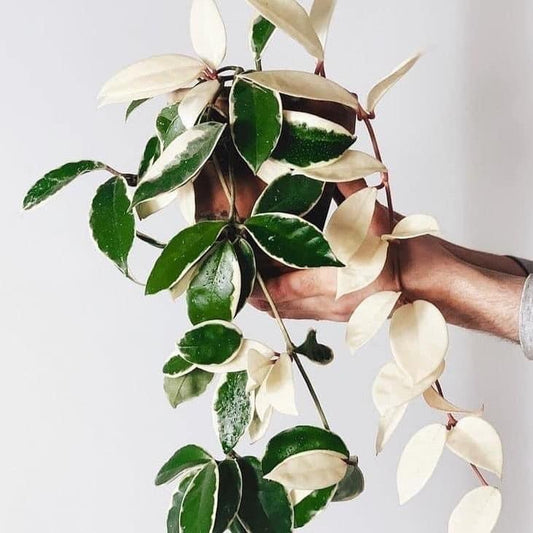
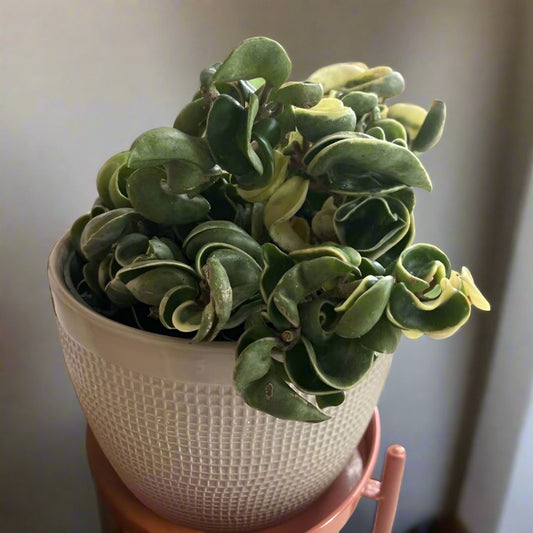
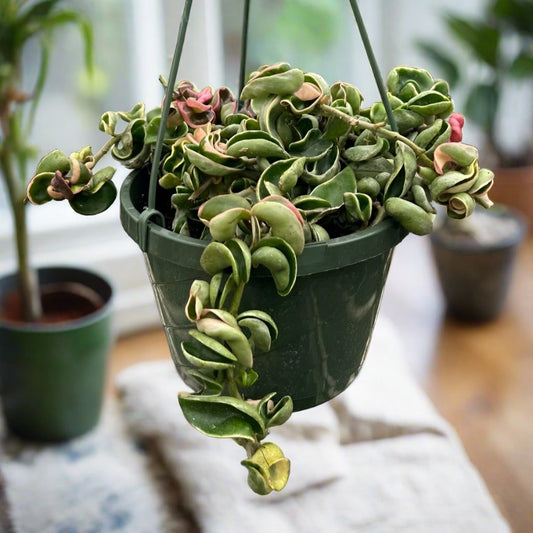
If you travel frequently, keep a busy schedule, or simply want greenery without much maintenance, look for drought-tolerant species that can handle missed watering days without drama. Pothos, snake plants, ZZ plants, and hoyas are forgiving plants that comfortably go 10 to 14 days between waterings and recover quickly if you forget.
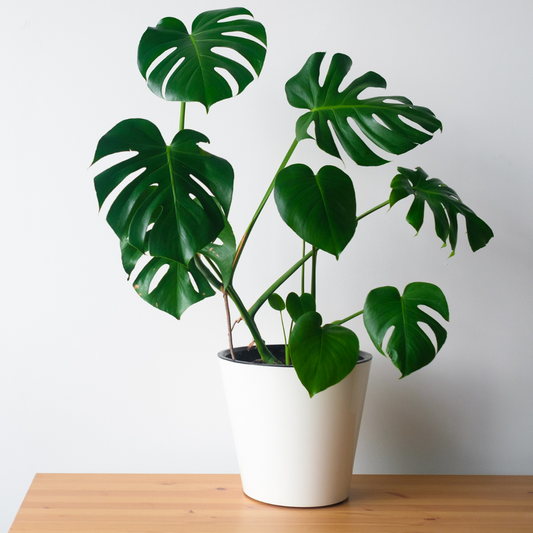
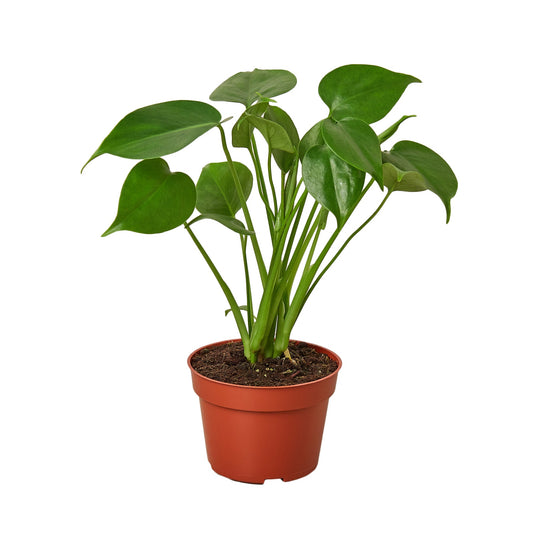
If you enjoy the ritual of plant care and want something more engaged, you can move toward plants that respond visibly to good attention. Monsteras, ferns, and calatheas are rewarding for attentive plant parents. They're just more expressive when something's off. When that happens, our guide on why plant leaves turn yellow is a reliable starting point for diagnosing what went wrong.
Question 3: Do You Have Pets?
This question matters a lot and should come before anything else if you share your home with cats or dogs. Many popular houseplants are toxic to pets, ranging from mildly irritating to genuinely dangerous if ingested. The answer isn't to avoid plants. It's to know which ones are safe before you shop.
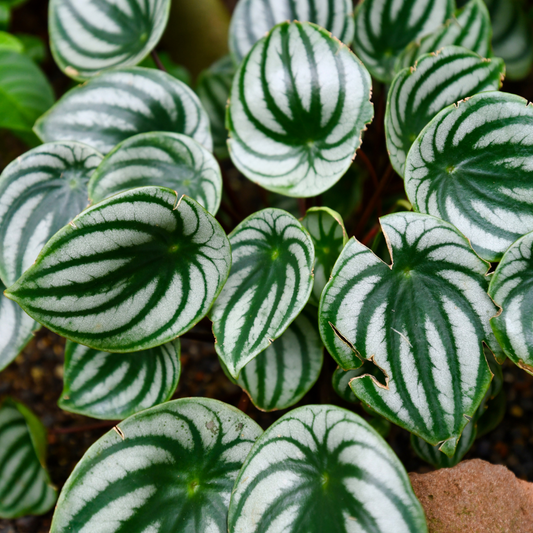
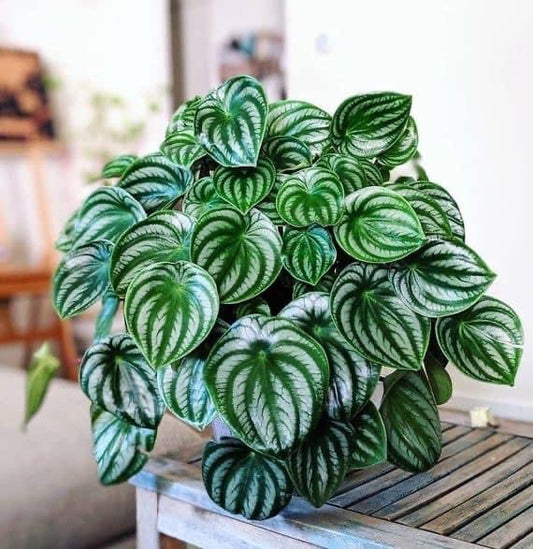
Spider plants, Boston ferns, bird's nest ferns, money trees, and certain hoyas and peperomias are non-toxic to cats and dogs. The pet-friendly plant collection is curated specifically for households with animals. Everything there has been selected for non-toxicity, so you can shop without second-guessing every label.
One standout in this category is the Bird's Nest Nidus Fern. It's non-toxic, adapts well to medium and lower light, and adds a lush, architectural look to shelves and tabletops. It's one of the better choices for a first plant in a pet-friendly home.
Question 4: How Much Space Are You Working With?
Think about where the plant will actually live. A corner floor plant needs a different selection than a desk accent or a bookshelf filler. Small plants work beautifully on desks, windowsills, and shelves. Larger statement plants anchor a room from the floor near windows or in open corners.
For smaller spaces or starter collections, look for compact growers that stay manageable without much pruning. Pothos varieties, peperomias, and smaller hoyas are excellent in this category. The Pothos N'Joy is a compact trailing variety that stays tidy and grows beautifully in hanging baskets or on shelves. It's one of the most adaptable plants for apartment living.
If you want to start with a collection rather than a single plant, the Easy Care Variety Bundle gives you multiple species in one order, all selected for adaptability and beginner-friendliness. It's a smart way to explore different plant types without having to research every one individually.
One More Thing Before You Shop
A common beginner pattern is buying several plants at once and then feeling overwhelmed trying to manage all of them. The better approach is to start with one plant and actually learn it. Get to know its watering rhythm, how it responds to your light conditions, how it changes through seasons. That knowledge compounds. By the time you add a second plant, you're already a more confident plant parent. By the fifth, it feels natural.
Start with something from the easy-care collection. Every plant there is chosen for resilience and adaptability across a range of home conditions. And if something goes wrong in the first 30 days, every order is covered by our 30-Day Guarantee. If your plant arrives damaged or doesn't thrive, we'll make it right. No hoops, no hassle.
Orders of $149 or more ship free.
Frequently Asked Questions
How do I know which houseplant is right for me?
Start by assessing your actual conditions honestly: how much natural light your space receives, how much time you want to commit to care, whether you have pets, and how much room you have. Those four factors will narrow your options quickly. The easy-care collection is a reliable starting point for most first-time buyers.
What is the easiest houseplant to keep alive?
Pothos, snake plants, and ZZ plants consistently rank highest for beginner-friendliness. They tolerate low light, irregular watering, and a wide range of indoor conditions. The Pothos N'Joy is a compact variety that's very hard to kill and looks great in almost any space.
How do I figure out how much light my room actually gets?
At midday, hold your hand about a foot above a white piece of paper. A sharp shadow means bright light, a soft shadow means medium light, and no visible shadow means low light. Our room-by-room light guide walks through this in detail for every room type in a home.
What are the best houseplants for beginners?
Pothos varieties, snake plants, ZZ plants, bird's nest ferns, and peperomias are consistently the most forgiving and adaptable choices for beginners. All are available in the easy-care collection.
How do I choose a plant for a low-light room?
Look specifically for plants marketed as low-light tolerant, and trust those labels. Pothos, snake plants, ZZ plants, peace lilies, and certain ferns all handle minimal natural light well and grow reliably in north-facing or interior rooms. The low-light plant collection is curated specifically for these conditions.
Should I choose a pet-safe plant if I have cats or dogs?
Yes, and it should be one of your first filters. Many popular houseplants are toxic to pets if ingested. The pet-friendly plant collection includes only non-toxic options so you can browse and buy with confidence.
How big will my houseplant get, and does pot size matter?
Most houseplants grow slowly in indoor conditions and stay manageable with occasional pruning. Pot size does matter: a pot that's significantly too large retains excess moisture and can lead to root problems. Start with a pot sized appropriately for your plant's current root ball and step up one size when roots begin to outgrow the container.