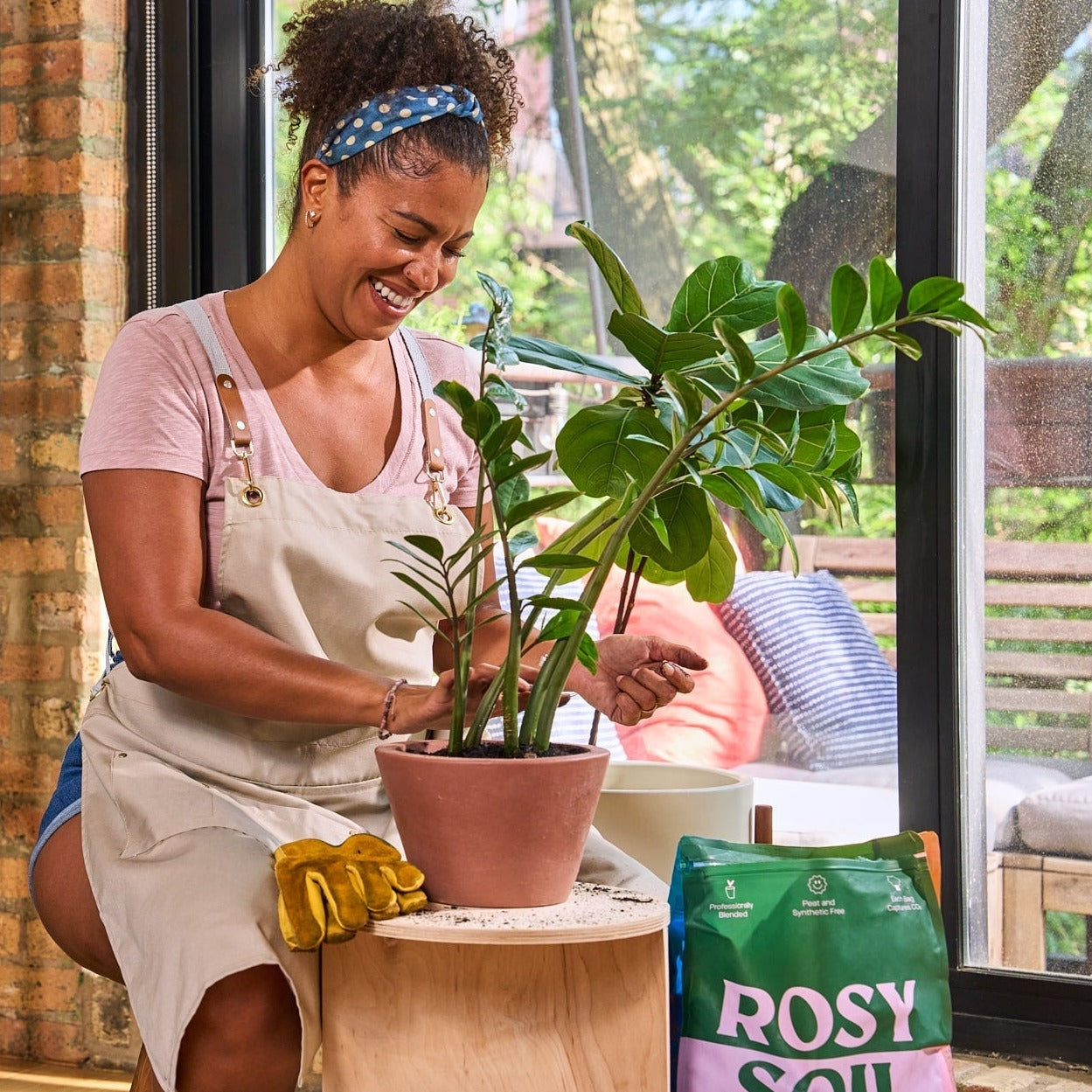
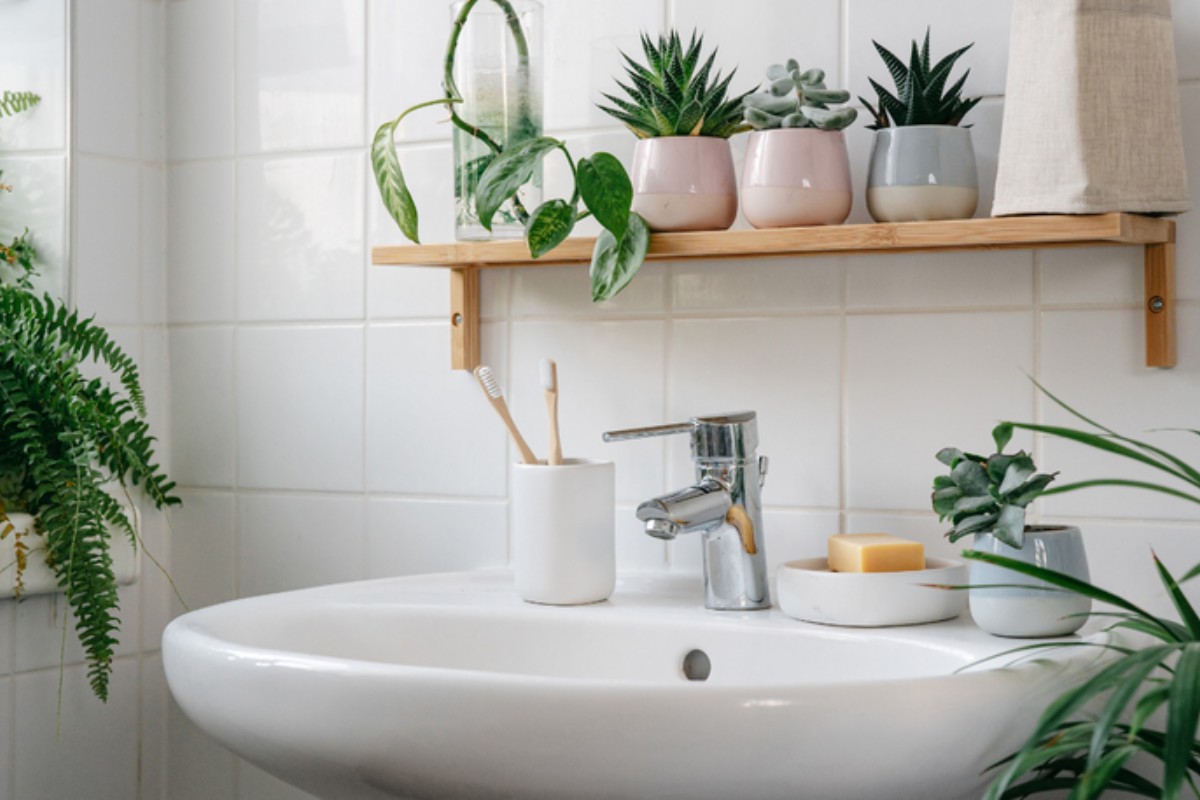
Walk into a room and feel it breathe. That is the plant parent aesthetic. Not a color palette or a furniture style, but a feeling. Lush without being cluttered. Textured without being busy. Alive in a way that no throw pillow or wall print can replicate.
The trend has a name now, but the instinct is ancient. We are wired to respond to green, growing things. And in 2026, more people are leaning into that feeling on purpose, placing plants with the same intention they once reserved for artwork. The result is rooms that feel warmer, more personal, and genuinely harder to leave.
The good news: you do not need a greenhouse or a design degree to get there. You need the right plants, placed with a little intention, and a few ideas you might not have tried yet.
What the Plant Parent Aesthetic Actually Is
The plant parent aesthetic is not about owning more plants. It is about treating them as design elements with the same weight you give furniture or lighting. The approach has three pillars.
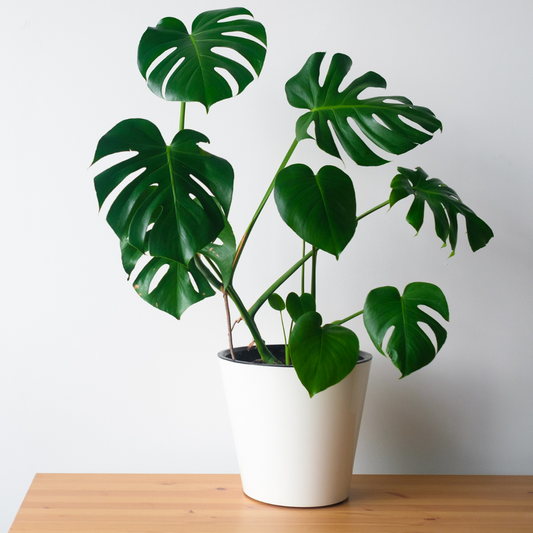
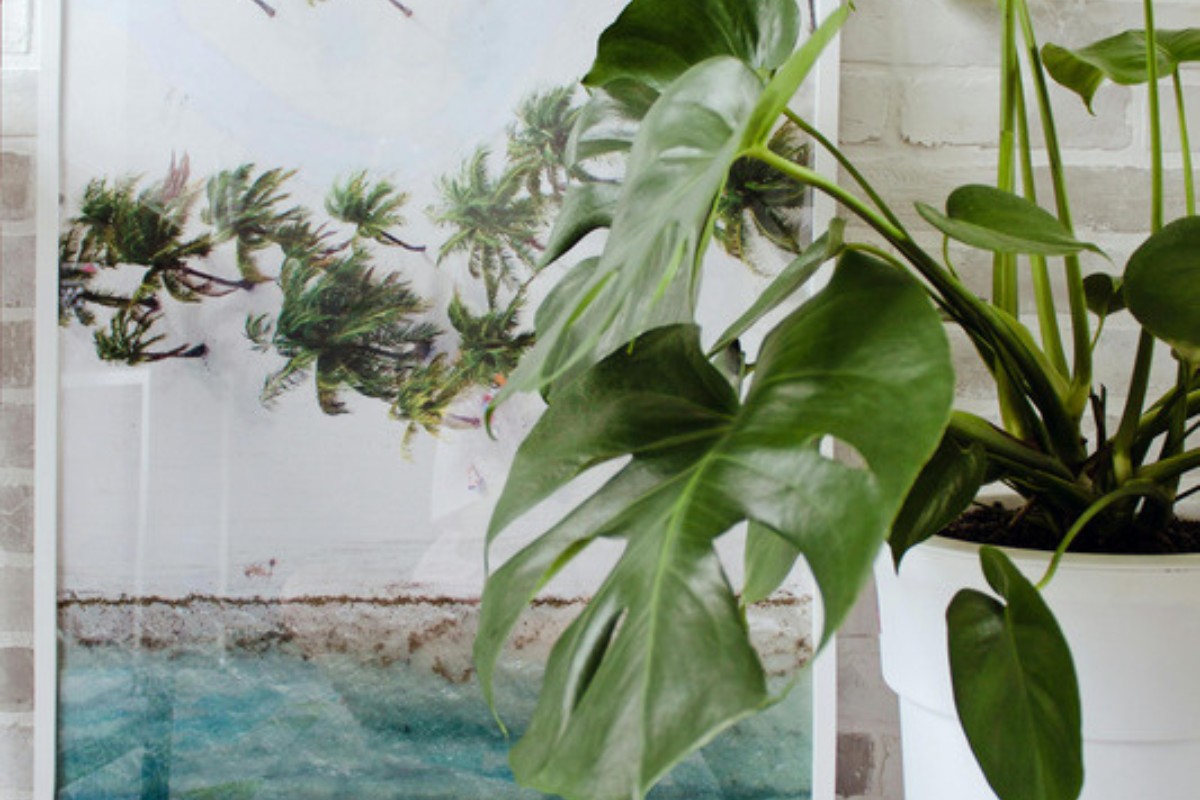
Statement plants as living sculpture. A single Monstera Deliciosa in a corner does more for a room than most art. Its fenestrated leaves catch light differently at every hour of the day. It grows. It changes. Nothing you hang on a wall can do that.
Trailing varieties for softness and movement. Hard angles in furniture are common. Plants counterbalance them. A vine spilling over a shelf edge, or a hanging plant cascading from a high bracket, adds the kind of organic movement that makes a room feel less static and more lived-in.
Texture contrast. The aesthetic works best when you mix leaf shapes and surfaces. Bold structural foliage paired with fine cascading vines. A smooth-leaved Calathea next to a rippled fern. Texture contrast is what separates a room with plants from a room that looks like a considered, intentional choice.
The Plants That Build the Look
Every plant below ships greenhouse-direct and is available now. They work individually as statement pieces or together as a layered collection. Start with one and build from there.
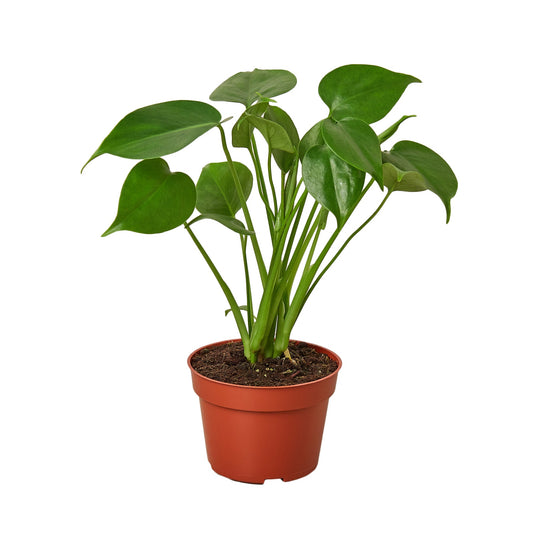
Monstera Deliciosa — the anchor. This is your statement plant. Place it in a living room corner, a bedroom nook, or anywhere that needs a visual focal point. Its split leaves grow steadily larger, and the effect is dramatic without being fussy. Monstreras thrive in bright indirect light and are tolerant of occasional neglect. Shop Monstera Deliciosa
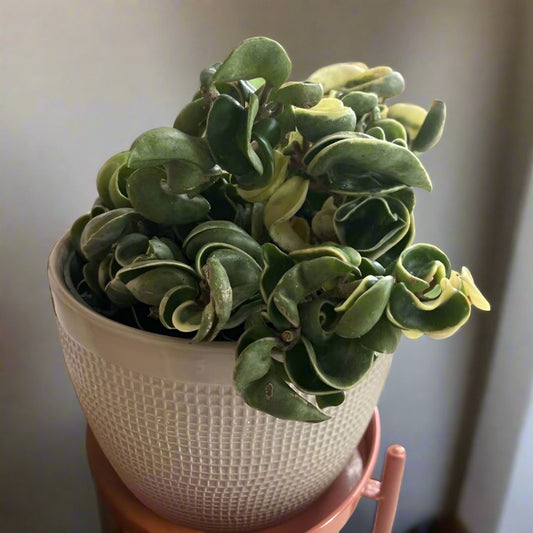
Hoya Rope Plant — sculptural texture on a shelf. The Hoya Rope Plant has coiling, thick succulent-like foliage that drapes over the edge of a shelf or bookcase in a way that looks almost architectural. It is slow-growing, long-lived, and requires very little water. Style it at eye level where the texture can be appreciated up close. Shop Hoya Rope Plant
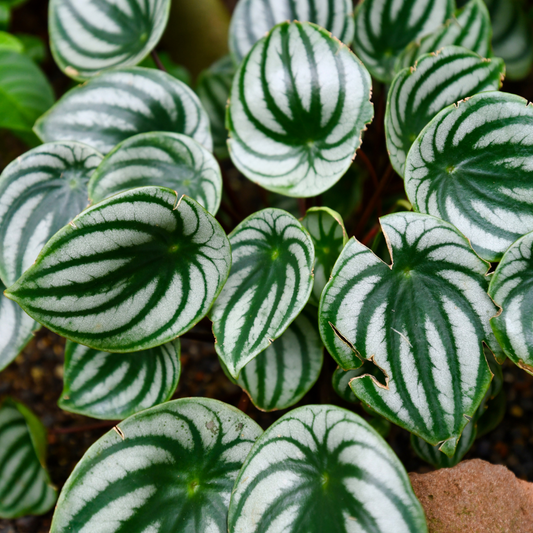
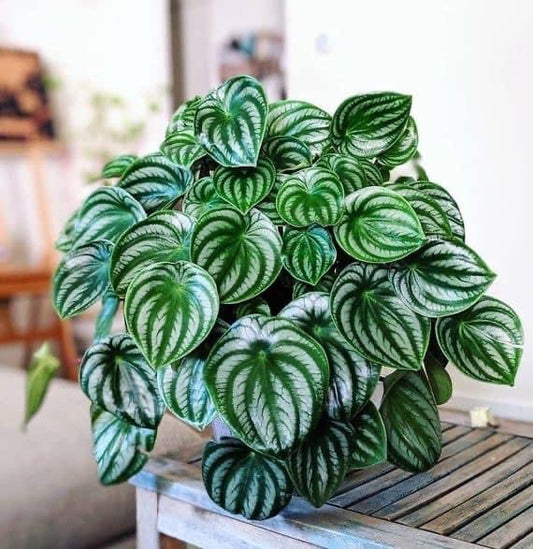
Calathea Orbifolia — soft volume and pattern. Its large, round leaves are striped with pale silver-green bands. The effect is quiet and lush at the same time. Place it in medium to low light, away from direct sun, and it will fill out into a generous shape that anchors a reading corner or sits beautifully beside a sofa. Shop Calathea Orbifolia
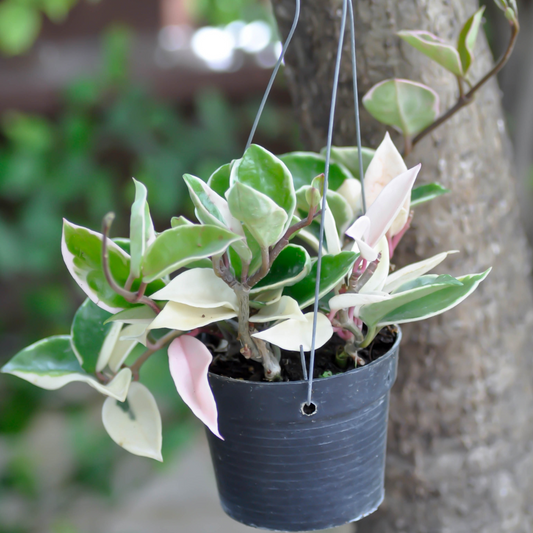
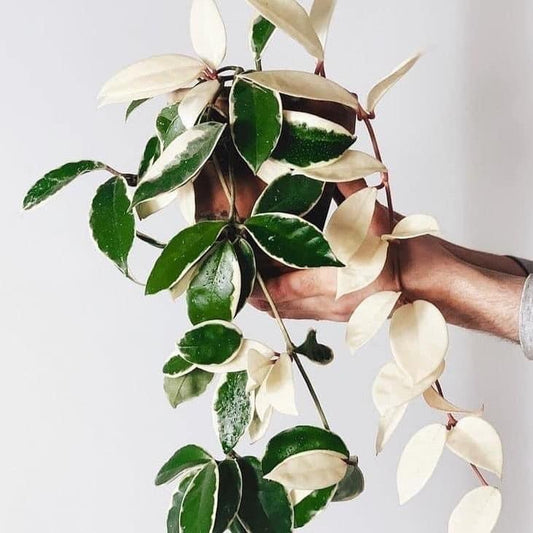
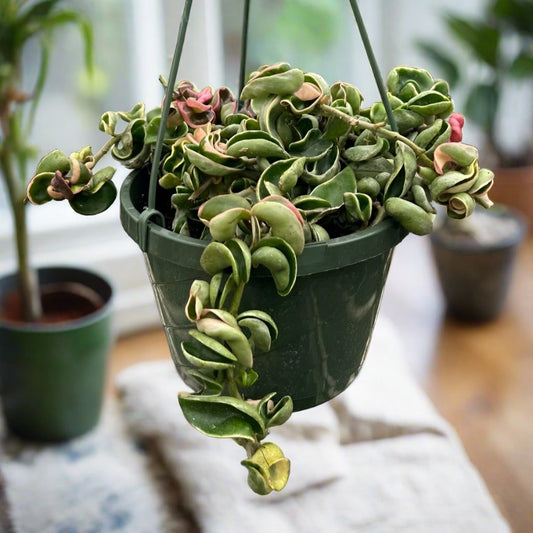
Hoya Carnosa — classic trailing vine with waxy charm. Waxy, oval leaves cascade in loose arching vines from wherever you place it. A hanging bracket near a window, a high shelf, or a plant stand all work equally well. It prefers bright indirect light and is very forgiving with water. Over time it produces clusters of small star-shaped flowers. Shop Hoya Carnosa
Staghorn Fern — the personality piece. Mounted on a wooden board and hung on the wall, the Staghorn Fern becomes living sculpture. Flat shield-shaped fronds anchor it; dramatic antler-shaped fronds project outward. It is unlike anything else in the home plant world. It thrives in bright indirect light and needs watering by soaking the mount. See more statement options in our large plants collection. Shop Staghorn Fern
Bird's Nest Fern — rippled filler for layered depth. The Bird's Nest Fern adds a different kind of texture to any plant grouping. Its crinkled, arching bright green fronds unfurl from a central rosette and create the full, layered look that makes a collection feel intentional rather than accidental. It prefers indirect light and humidity, making it ideal for a bathroom or kitchen windowsill. Shop Bird's Nest Fern
Pothos — the beginner's cascade. No version of the plant parent aesthetic is complete without a Pothos. Left to grow long over the months, a trailing Pothos on a high shelf becomes one of the most satisfying elements in any room. It adapts to most light conditions and is one of the best places to start if the rest of this list feels ambitious. Browse all options in our live plants collection. For more ideas on making your space feel lush and alive, we covered it all here: Plants That Make Any Room Feel Like a Tropical Getaway.
How to Start Building the Look
The plant parent aesthetic does not require a room overhaul. It builds gradually, and that is part of the appeal.
Start with one statement plant in the room that matters most to you. A Monstera in the living room. A Staghorn Fern on the bedroom wall. Something with size and presence. Then add one trailer. Let it grow. After a few months you will have a look that no store-bought decoration could replicate, because it grew alongside your life.
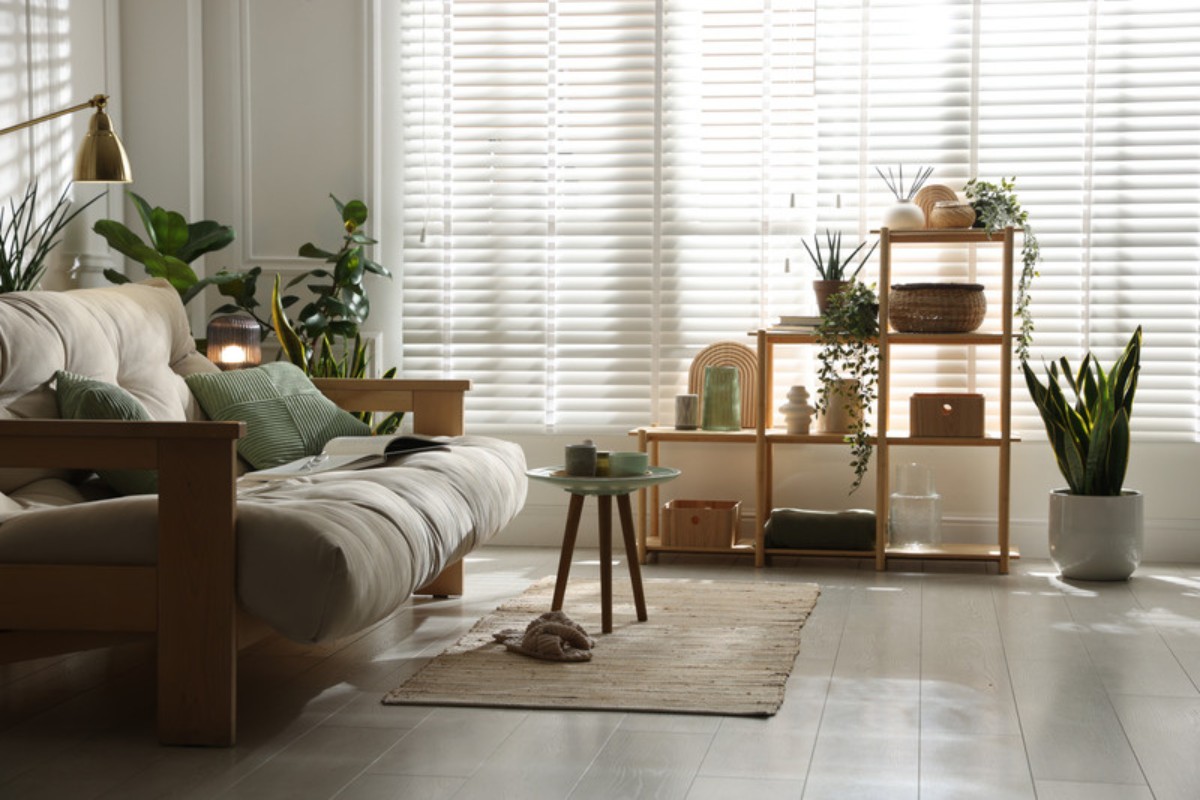
Grouping plants works better than scattering them. Three plants together read as intentional. One in each corner of a room just looks like you ran out of ideas. Group by height and texture: one tall structural plant, one medium textured plant, one trailing or cascading variety. That formula works in almost any corner of a home.
For wall mounting and shelf styling ideas, our guide on building a plant shelfie covers the full process, from shelf selection to plant placement, with options at every budget.
Every plant ships to your door with our 30-Day Guarantee, so if anything arrives less than healthy, we make it right. Browse the full collection at plantswagshop.com/collections/live-plants.
Frequently Asked Questions
How many plants do I need to get the plant parent aesthetic?
You can start with one or two. The look is about intentional placement, not volume. A single Monstera Deliciosa in a well-chosen corner does more than ten small plants scattered around a room. Add more as you get comfortable, but there is no number you need to hit.
Are these plants difficult to care for?
Most of the plants on this list are genuinely forgiving. Pothos, Hoya Carnosa, and Monstera Deliciosa are all considered easy to moderate. Calathea Orbifolia prefers more consistent humidity, and the Staghorn Fern has a learning curve with its mounting and watering routine. If you are newer to plants, start with the Pothos or Monstera and build from there.
Are any of these plants safe for cats and dogs?
Bird's Nest Fern is non-toxic to cats and dogs. Pothos and Monstera Deliciosa can cause mild irritation if ingested, so they are better placed out of reach in homes with curious pets. For a fully pet-safe selection, browse our pet-friendly plants collection, where every plant is confirmed non-toxic.