
Picture a shelf that finally looks like the room you imagined. Something trails from the top, a dark glossy leaf catches the window light at eye level, and ridged texture spills along the bottom. Now picture your cat walking right past it, completely unbothered, because you already know every plant on that shelf is safe for cats. That is the shelf we want to help you build.
Most pet-safe plant advice stops at a flat list and a warning to keep things out of reach. A list will not tell you where each plant should sit, how much light each level gets, or how to make six plants look like one deliberate design. A shelf is a layout, and the layout is where the calm comes from.
Why a Shelf Works Better Than a List
When you stop editing your home around the cat, the whole room relaxes. A pet-safe shelf gives you one place to concentrate your plants, which makes the light easier to manage and the watering easier to remember. It also gives you a design frame. Designers call it the layered shelfie: three heights, three jobs.
The top zone is for trailing plants, because cascading growth keeps leaves above the easiest paw reach and adds movement. The eye-level zone holds your statement plant, the one that makes people stop and look. The bottom zone is for texture, with soft or ridged foliage that anchors the arrangement. Every styling choice below has a practical reason attached, from light to height to reach, because a pretty shelf that fails your plants or your cat is not worth building.
Every plant here is chosen by botanical name and checked against the ASPCA non-toxic list for cats. Browse the full range any time in our pet friendly houseplants collection.
The Six Plants, Zone by Zone
Top shelf: String of Turtles
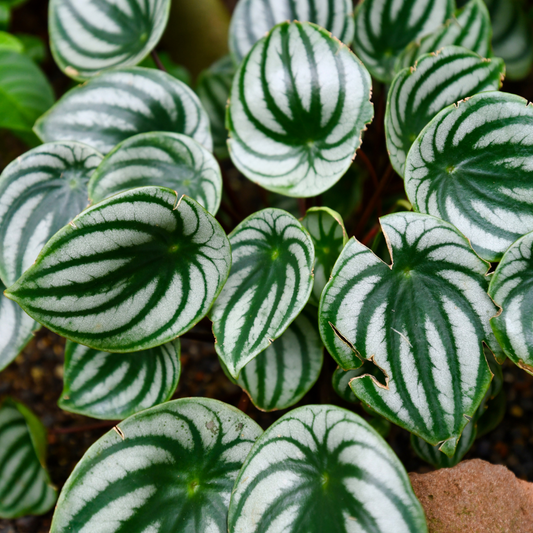
Peperomia prostrata earns its name with tiny, patterned leaves that look like turtle shells and spill over the edge of the pot. Put it on the highest shelf in bright, indirect light and let it cascade out of paw reach. We went deep on this one in our string of turtles guide, and you can bring one home here: String of Turtles.
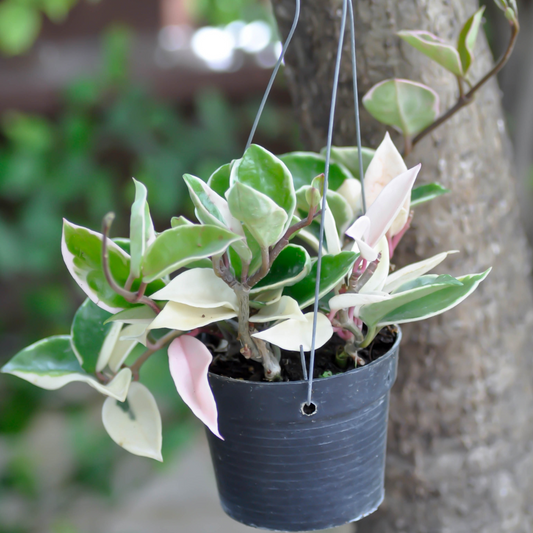
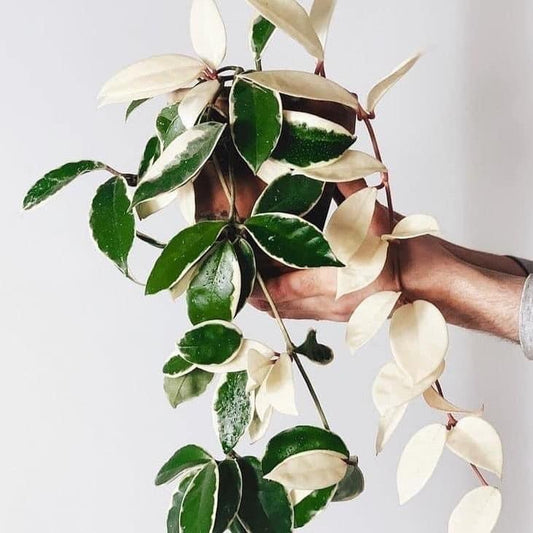
Top shelf: Hoya 'Krimson Princess'
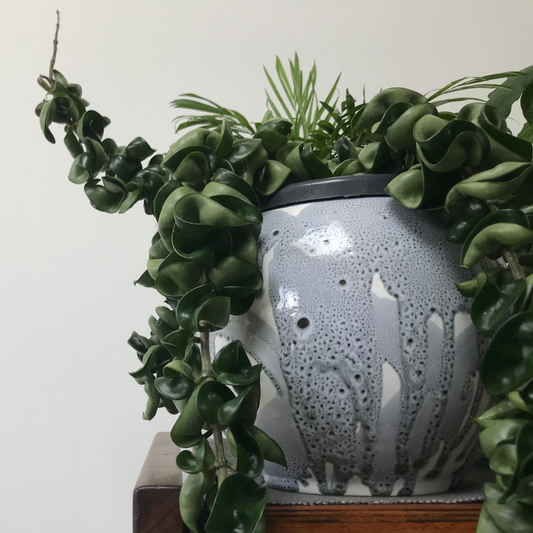
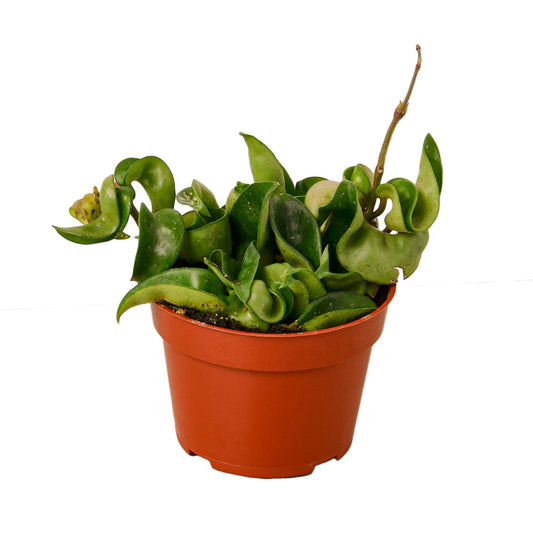
Hoya carnosa has waxy, slow-growing leaves edged in pink, and the genus is non-toxic to cats. It likes bright light and a long dry spell between waterings, so it pairs well with the turtles above a sunny window. Its vines trail gently as they mature. Meet the Hoya Krimson Princess.
Eye level: Calathea 'Dottie'
This is the goth-but-safe centerpiece. Calathea roseopicta (now often listed as Goeppertia) has near-black leaves with pink pinstripes, and the leaves fold upward at night, which is a lovely small show. Give it bright, filtered light with no direct sun, and keep the soil lightly moist. It is the most particular plant on the shelf, so give it the spot you walk past most. Find it here: Calathea Dottie.
Eye level: Pilea Peperomioides
Round coin leaves on slim stems add graphic contrast to all that trailing and ruffled foliage. The Pilea is happy in bright, indirect light, and turning the pot a quarter turn each week keeps it symmetrical. Learn why it spread around the world in our Pilea spotlight, then shop the Pilea Peperomioides.
Bottom shelf: Peperomia 'Rosso'
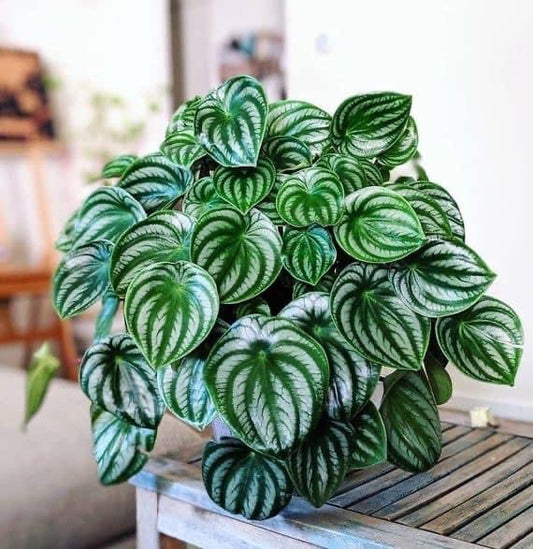
Peperomia caperata has deeply ridged leaves with red undersides, and it is the pet-safe answer to the question we hear all the time: are dark plants safe for my cat? This one is. It stays compact, tolerates medium light, and likes to dry slightly between drinks. See the Peperomia Rosso.
Floor end: Parlor Palm
Chamaedorea elegans brings soft, feathery fronds and a vertical line that finishes the end of the shelf. It handles medium light well, which makes it the right choice for the lowest and dimmest spot. It is non-toxic to cats and forgiving about the occasional missed watering. Pick one up: Parlor Palm.

The Honest Part: Non-Toxic Does Not Mean Edible
Here is what most pet-safe lists leave out. Even a non-toxic plant can cause mild stomach upset if your cat chews a lot of it. Safe means the plant is not poisonous, not that it belongs on the menu. If you have a determined nibbler, put the most tempting plants on the highest level, give your cat a pot of cat grass of its own, and keep an eye on any new arrival for the first week.
Keep the shelf consistent, too. When you add a plant later, search its botanical name on the ASPCA site before it joins the shelf, so the whole arrangement stays safe as it grows.
How to Start Your Own Shelf
Begin with light, because light decides everything. Notice where your sun lands and pick the shelf nearest a window that gets bright, indirect light. Then choose your eye-level plant first, since it sets the mood, and add the trailing plant above it. Fill the bottom zone last, and leave a little breathing room so the plants do not crowd each other.
Group in odd numbers, vary pot heights with a small riser or a stack of books, and keep your pots in one or two finishes so the shelf feels deliberate. If a plant sulks in its spot, move it a shelf over and give it two weeks before you decide it is not working. If a swap is needed, a Maranta, a bird's nest fern or a spider plant can all fill a gap. Our easy care collection is a good place to look for companions that forgive mistakes.

Every plant ships from the greenhouse to your door, and our 30-Day Guarantee means you can build your shelf with confidence. If you would rather have the shelf grow over time, our pet friendly monthly subscription box delivers a new plant each month, which is a gentle way to fill it one level at a time.
Ready to design yours? Browse the full pet friendly plants collection or start from all of our live plants.
Frequently Asked Questions
How do I style a pet-safe plant shelf on a budget?
Start with the two zones that do the most visual work: one trailing plant for the top shelf and one statement plant at eye level. Add the bottom-zone textures over time. A smaller pot size looks full when you cluster three on a single shelf, and you can grow into larger pots as the plants fill out.
Are these plants hard to care for?
Mostly no. The peperomia, Pilea and parlor palm are forgiving, and the hoya prefers to be left alone between waterings. The calathea is the fussiest of the group, asking for even moisture and bright but filtered light, so place it where you will see it often and notice when it needs attention.
If a plant is non-toxic to cats, can my cat eat it?
Non-toxic means the plant is not listed as poisonous, not that it makes a good snack. A cat that chews a lot of any leaf can still end up with a mild stomach upset. Keep trailing plants above paw reach, give a chewer a pot of cat grass of its own, and call your vet if your cat eats a large amount or seems unwell. We list each plant by botanical name so you can check it against the ASPCA database yourself.